Let’s be real for a moment. You’ve just squeezed the most vibrant, life-giving glass of orange juice. The aroma is filling your kitchen, you’re feeling a surge of wellness, and then you turn around… and see the battlefield. Pulp, seeds, and a sticky residue coat every component of your beloved juicer. The immediate, instinctive question pops into your head: Can You Use Soap To Clean The Parts of this machine? It seems simple, but you hesitate, wondering if you’ll leave a soapy taste or somehow damage the equipment.
You’re not alone in asking this. It’s one of the most common questions we get here at Citrus JuicerR. As someone who has disassembled and cleaned more juicers than I can count, I’m here to settle the debate once and for all. We’ll dive deep into the sudsy details, explore the best cleaning methods, and ensure your juicer stays in pristine condition for years of delicious, healthy drinks.
So, Can You Use Soap to Clean the Parts? The Short and Sweet Answer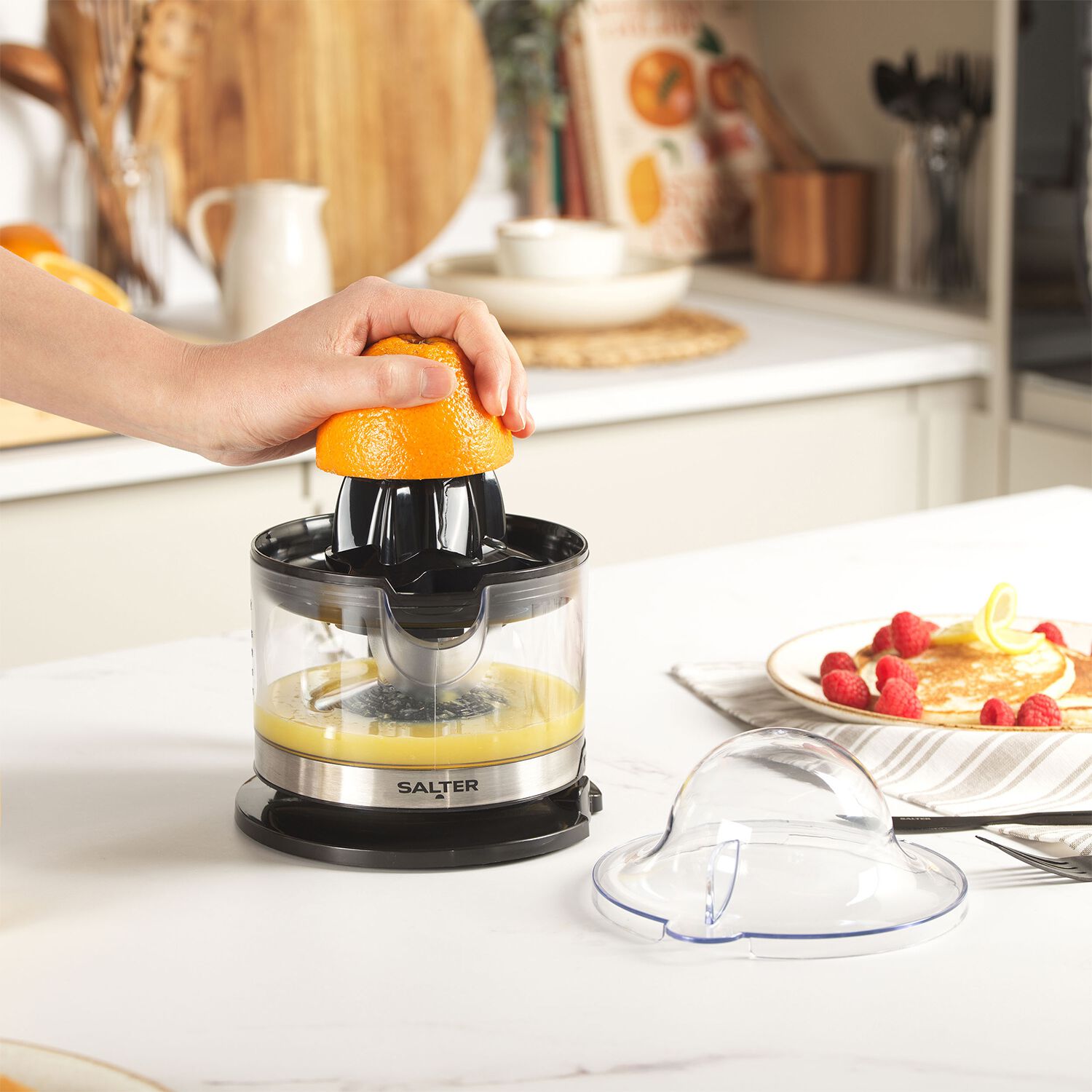
Yes, you absolutely can, and in most cases, you should. Mild dish soap and warm water are your best friends when it comes to breaking down the natural sugars and acidic oils found in citrus fruits, ensuring a truly hygienic clean.
The key is to do it correctly. The fear of a “soapy” aftertaste or potential damage isn’t unfounded, but it’s completely avoidable with the right technique. Think of it like washing a baby bottle—you need it to be squeaky clean, but you’d never leave soap residue behind. The same principle applies here.
Why Mild Dish Soap is a Juicer’s Best Friend
- It Cuts Through Grime: Citrus fruits contain oils in their peels and sticky sugars in their juice. Water alone often isn’t enough to break these down. A good quality, mild dish soap acts as a surfactant, lifting that residue right off the plastic and metal parts.
- It Sanitizes: Proper washing with soap helps to remove bacteria that could otherwise thrive on leftover fruit sugars. This is non-negotiable for food safety and for keeping your juice tasting fresh, not funky.
- It Prevents Staining: The vibrant pigments in fruits like oranges and grapefruits can stain the plastic components of your juicer over time. Regular, thorough washing with soap helps prevent this buildup, keeping your machine looking brand new.
A Quick Word of Caution
While soap is generally safe, there are two things to keep in mind. First, always opt for a mild dish soap. Avoid harsh detergents, antibacterial soaps with strong additives, or anything with bleach, as these could degrade certain types of plastic over time. Second, the golden rule is to rinse, rinse, and rinse again. Any lingering soapy taste is a sign of a poor rinsing job, not a problem with the soap itself.
The Official Citrus JuicerR 5-Step Cleaning Ritual
Forget the dread of cleanup. Turn it into a quick, satisfying ritual. The secret isn’t scrubbing harder; it’s working smarter and, most importantly, faster. Don’t let the pulp dry!
- The Immediate Rinse (The 60-Second Rule): As soon as you’re done juicing, take the components to the sink and give them a powerful rinse under warm water. This will dislodge 90% of the pulp and residue before it has a chance to turn into cement.
- Disassemble Completely: Take apart every removable piece. This usually includes the cone (reamer), the filter or strainer, the collection bowl, and the lid. Don’t try to clean it while it’s assembled.
- The Soapy Soak: Fill your sink or a basin with warm, soapy water. Use a few drops of your favorite mild dish soap. Let the parts soak for a few minutes. This does the hard work for you, loosening any stubborn bits.
- Gentle But Firm Scrub: Use a soft-bristled brush (many great juicers come with one) or a non-abrasive sponge to gently scrub each part, paying special attention to the mesh of the filter. This is where tiny fibers love to hide.
- Rinse and Air Dry: Rinse each piece thoroughly under clean, running water until there’s no trace of soap suds. Shake off the excess water and place them on a drying rack to air dry completely. This prevents water spots and ensures no moisture is trapped when you reassemble.
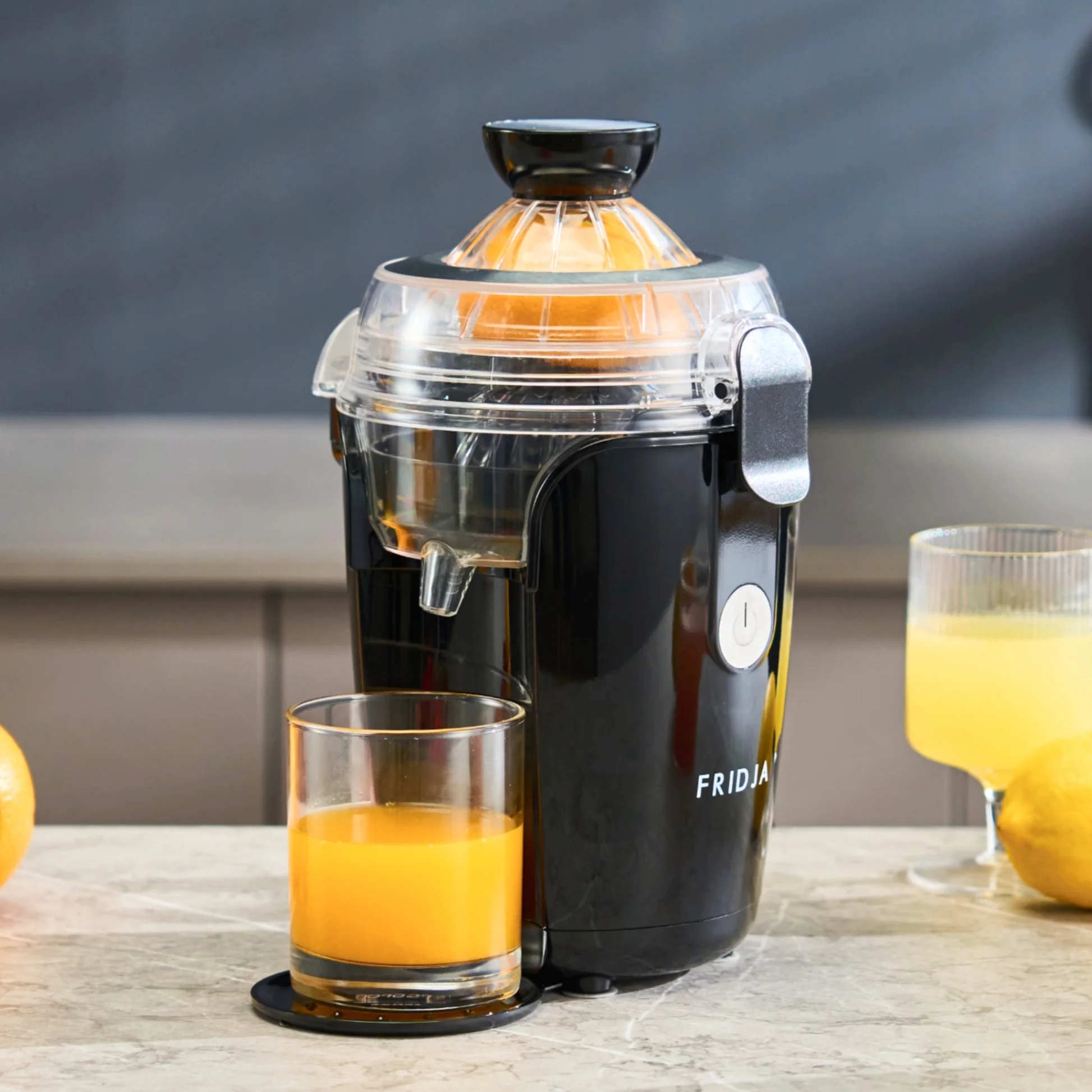
Expert Take: “The biggest mistake people make is waiting to clean their juicer,” notes Dr. Eleanor Vance, a food safety consultant. “Fruit sugars provide a perfect breeding ground for bacteria. Cleaning immediately with mild soap and water isn’t just about machine maintenance; it’s a fundamental step in safe food preparation.”
For those really tough, dried-on messes, a 10-minute soak in a solution of one part white vinegar to two parts water can work wonders before you proceed with the soap wash. You can find more tips in our in-depth guide to deep cleaning your juicer.
Choosing a Juicer That’s a Dream to Clean
Honestly, the best way to ensure easy cleaning is to start with a juicer that was designed with cleaning in mind. If you’re in the market for a new machine, this should be a top consideration right alongside performance and yield.
|
Our Picks for the Best Citrus Juicer in 2025
As an Amazon Associate, we earn from qualifying purchases.
|
||
| Num | Product | Action |
|---|---|---|
| 1 | Vinci Hands Free Electric Citrus Juicer, 1-Button Juicer Machine, Orange Lime Grapefruit Lemon Squeezer, Easy to Clean Orange Juicer Squeezer, Black/Stainless Steel |

|
| 2 | Hurom H400 Cold Press Juicer Machine, Award Winning Masticating Slow Juicer, Easy to Clean, Strainer & Hands Free with Self Feeding, Wide Mouth Hopper, Easy Assembly (White) |
|
| 3 | BLACK+DECKER 32oz Electric Citrus Juicer, CJ625, Pressure Activated, Adjustable Pulp Control, Dishwasher-Safe |
|
| 4 | Zulay Kitchen Cast-Iron Orange Juice Squeezer - Easy-to-Clean, Heavy-Duty, Professional Citrus Juicer - Stainless Steel Lemon Squeezer - Manual Citrus Press & Orange Squeezer - Orange Juicer (Black) |
|
| 5 | Hurom H320 Cold Press Juicer Machine, Easy to Clean Masticating Slow Juicer, Coarse Strainers, Self-Feeding, Hands Free, Family Size, Quiet Motor, Easy Assembly (Kale/Dark Green) |
|
| 6 | Cuisinart CCJ-500P1 Pulp Control Citrus Juicer, 1, Black/Stainless |
|
| 7 | Juicer Machines with 5.4\\\" Large Feed Chute, 400W Cold Press Juicer for Whole Vegetables and Fruits, Slow Masticating juicer Easy to Clean Juice Extractor Machine High Juice Yield(Titanium Gray) |
|
| 8 | Vinci Hands Free Electric Citrus Juicer, 1-Button Juicer Machine, Orange Lime Grapefruit Lemon Squeezer, Easy to Clean Orange Juicer Squeezer, Black/Stainless Steel |
|
| 9 | Elite Gourmet ETS740 BPA-Free Electric Citrus Juicer with 2 Cones, Compact, Large Volume, Pulp Control, Oranges, Lemons, Limes, Grapefruits with Easy Pour Spout, 1.2L, Black/Stainless Steel |
|
| 10 | Chef\\\'n Freshforce Citrus Juicer (Lemon), 10.25 long |
|
A machine that is a nightmare to clean will inevitably end up collecting dust in a cupboard. So, what should you look for?
Manual vs. Electric: A Cleaning Showdown
| Juicer Type | Cleaning Ease | Best For | Pro-Tip |
|---|---|---|---|
| Manual/Hand Press | ★★★★★ (Easiest) | Quick single servings, lemons, limes. | Usually just 2-3 parts. A quick rinse and wipe is often all that’s needed. |
| Electric Citrus | ★★★★☆ (Very Easy) | Daily orange juice, grapefruit, large batches. | Look for models with fewer, dishwasher-safe parts for ultimate convenience. |
| Centrifugal Juicer | ★★☆☆☆ (More Involved) | Hard fruits/veggies, high volume, fast juicing. | The shredder disc and fine mesh filter require careful scrubbing. |
| Masticating Juicer | ★★★☆☆ (Moderately Easy) | Leafy greens, high-yield, nutrient retention. | More parts than a citrus juicer, but often designed for easy disassembly. |
Key Features for Effortless Cleanup
When you’re shopping, keep an eye out for these magic words:
- Dishwasher-Safe Parts: This is the ultimate convenience. Check if the removable components are top-rack dishwasher safe.
- Fewer Components: The less you have to take apart, the faster the cleanup.
- Smooth Surfaces: Look for designs with fewer nooks and crannies where pulp can get trapped.
- Included Cleaning Brush: A good brand knows its own product’s tricky spots and will often include a custom-shaped brush to reach them.
Frequently Asked Questions (FAQ)
Q1: How often should I clean my citrus juicer?
You should clean your juicer immediately after every single use. Do not let it sit. This prevents sticky buildup, bacterial growth, and potential staining, making the entire process take less than two minutes.
Q2: What’s the best soap to use for cleaning juicer parts?
The best soap is a mild, unscented, or lightly scented dish soap. Brands like Dawn (the blue original), Seventh Generation, or Mrs. Meyer’s are excellent choices. Avoid anything with harsh chemicals, bleach, or a very strong scent that could linger.
Q3: Can I put all the parts of my juicer in the dishwasher?
Always check your user manual first! Most modern juicers have top-rack dishwasher-safe removable parts, but the motorized base should never be submerged in water or put in a dishwasher.
Q4: How do I get rid of the cloudy film on my juicer’s plastic parts?
That cloudy film is often mineral buildup from hard water. Soaking the parts for 15-20 minutes in a 50/50 solution of white vinegar and water will typically break down these deposits and restore clarity. Then, wash with soap and water as usual.
Q5: Is it okay to let the juicer parts soak overnight?
We don’t recommend it. While a short soak is great, leaving parts submerged for extended periods, especially in soapy water, can sometimes affect certain types of plastic. A quick, active clean is always the better and more hygienic option.
The Final Squeeze
So, let’s circle back to that all-important question: can you use soap to clean the parts of your citrus juicer? The answer is a resounding yes. It’s not just permissible; it’s the recommended way to keep your machine hygienic, efficient, and in top-notch condition.
Armed with a little mild dish soap, warm water, and the habit of cleaning immediately, you can eliminate the one dreaded part of the juicing process. A clean juicer means better-tasting juice, a longer life for your appliance, and peace of mind. Now, go enjoy that glass of sunshine—you’ve earned it.