Let’s be real for a second. You’ve just made a glorious, sun-kissed glass of fresh orange juice. You’re feeling vibrant, healthy, and ready to conquer the day. But then you turn around and see it: the aftermath. The collection of sticky, pulpy juicer parts sitting in the sink. While washing them is a chore in itself, many of us overlook the crucial next step. So, What Is The Best Way To Dry The Parts to keep your machine in tip-top shape and your juice tasting pure? It’s a question I get asked all the time, and frankly, getting it right is a total game-changer.
You might think, “It’s just drying, how complicated can it be?” But the way you dry your juicer components can be the difference between a machine that lasts for years and one that develops funky smells, mineral buildup, or even rust. As someone who has tested, taken apart, and cleaned hundreds of juicers, I’m here to walk you through the definitive process, ensuring your juicer stays as fresh as the juice it makes.
Why Bother With Proper Drying Anyway?
Before we dive into the how, let’s talk about the why. Rushing this step is one of the most common mistakes I see juicer owners make. Proper drying isn’t just about tidiness; it’s about hygiene and longevity.
- Banishing Bacteria and Mold: Damp, dark spaces are a breeding ground for mold and bacteria. Those tiny crevices in your juicer’s filter or pulp container are prime real estate. If you put parts away while they’re still wet, you’re essentially rolling out the welcome mat for unwanted microbial guests.
- Preventing Mineral Buildup: If you live in an area with hard water, letting parts air-dry can leave behind chalky white spots. This is limescale, and over time it can build up, affecting your juicer’s performance and making it harder to clean.
- Stopping Corrosion and Rust: While many high-quality juicer parts are made from stainless steel or durable plastic, some components, especially the blades or cutting discs on centrifugal juicers, can be susceptible to rust or corrosion if left wet for extended periods.
- Ensuring It’s Ready for Action: There’s nothing more frustrating than grabbing your juicer for a spontaneous glass of fresh lemonade only to find the parts are still damp and smell a little musty from the last use.
In short, a few extra minutes spent on drying pays huge dividends in the long run.
The Great Debate: Air-Drying vs. Towel-Drying
This is the classic kitchen showdown. In one corner, you have the effortless, hands-off approach of air-drying. In the other, the speedy, meticulous method of towel-drying. Let’s break down the pros and cons of each.
The Case for Air-Drying: The “Set It and Forget It” Method
This is what most people do. After washing, you simply place the parts on a dish rack and let nature take its course.
- Pros: It’s incredibly easy, requires zero effort, and eliminates the risk of leaving behind towel lint on your juicer parts.
- Cons: It’s slow. Depending on the humidity in your home, it can take hours for parts to dry completely. It also takes up valuable counter space, and as we mentioned, it can lead to unsightly water spots from hard water.
The Argument for Towel-Drying: The Quick and Thorough Approach
This method involves manually drying each component with a clean cloth before putting it away.
- Pros: It’s fast. You can wash, dry, and reassemble your juicer in minutes. It also helps polish the parts, preventing water spots and leaving your machine looking pristine.
- Cons: It can be tedious, especially with juicers that have many small, intricate parts. The biggest risk is using a towel that isn’t perfectly clean, which can introduce bacteria, or using a towel that sheds, leaving annoying lint in the fine mesh of your filter.
So, What Is the Best Way to Dry the Parts? The Official Citrus JuicerR Method
After countless juicing sessions, I’ve landed on a hybrid method that combines the best of both worlds. It’s efficient, hygienic, and protects your investment. This is the gold standard we recommend to all our readers.
Here is a step-by-step guide to drying your juicer parts like a pro:
- The Post-Wash Shake: As soon as you’re done rinsing each part, give it a firm shake over the sink. This simple action removes a surprising amount of excess water, giving you a major head start and cutting down on overall drying time.
- The Strategic Towel-Dry: Grab a clean, lint-free microfiber cloth. These are your best friend in the kitchen. Use it to immediately dry the larger, simpler components—the main body of the juicer (if washable), the juice pitcher, the pulp container, and the pusher. These parts are easy to wipe down and are the most likely to take up space on a drying rack.
- Prioritize Air-Drying for Intricate Parts: This is the key. For the complex pieces like the filter basket, sieve, or auger (the screw in a masticating juicer), air-drying is superior. Why? Because it’s nearly impossible to get a towel into all those tiny holes and crevices. Trying to force it can leave behind lint that will end up in your next glass of juice or even damage the delicate mesh. Place these parts on a drying rack with plenty of airflow.
- The Final Inspection: Before you reassemble your juicer, give every part a quick once-over. Make sure everything is bone-dry. If you see any remaining droplets, give them a final dab with your microfiber cloth. Storing even a slightly damp juicer is a recipe for a musty smell.
“The ultimate goal isn’t just dryness; it’s hygienic dryness. A smart combination of quick towel-drying for simple surfaces and patient air-drying for complex parts ensures your machine is clean, safe, and ready for its next use.” – Dr. Alisha Reed, Food Safety Specialist
|
Our Picks for the Best Citrus Juicer in 2025
As an Amazon Associate, we earn from qualifying purchases.
|
||
| Num | Product | Action |
|---|---|---|
| 1 | Cuisinart CCJ-500P1 Pulp Control Citrus Juicer, 1, Black/Stainless |

|
| 2 | Zulay Kitchen Cast-Iron Orange Juice Squeezer - Easy-to-Clean, Heavy-Duty, Professional Citrus Juicer - Stainless Steel Lemon Squeezer - Manual Citrus Press & Orange Squeezer - Orange Juicer (Black) |
|
| 3 | BLACK+DECKER 32oz Electric Citrus Juicer, CJ625, Pressure Activated, Adjustable Pulp Control, Dishwasher-Safe |
|
| 4 | Elite Gourmet ETS740 BPA-Free Electric Citrus Juicer with 2 Cones, Compact, Large Volume, Pulp Control, Oranges, Lemons, Limes, Grapefruits with Easy Pour Spout, 1.2L, Black/Stainless Steel |
|
| 5 | Hurom H320 Cold Press Juicer Machine, Easy to Clean Masticating Slow Juicer, Coarse Strainers, Self-Feeding, Hands Free, Family Size, Quiet Motor, Easy Assembly (Kale/Dark Green) |
|
| 6 | Hurom H400 Cold Press Juicer Machine, Award Winning Masticating Slow Juicer, Easy to Clean, Strainer & Hands Free with Self Feeding, Wide Mouth Hopper, Easy Assembly (White) |
|
| 7 | Vinci Hands Free Electric Citrus Juicer, 1-Button Juicer Machine, Orange Lime Grapefruit Lemon Squeezer, Easy to Clean Orange Juicer Squeezer, Black/Stainless Steel |
|
| 8 | Vinci Hands Free Electric Citrus Juicer, 1-Button Juicer Machine, Orange Lime Grapefruit Lemon Squeezer, Easy to Clean Orange Juicer Squeezer, Black/Stainless Steel |
|
| 9 | Juicer Machines with 5.4\\\" Large Feed Chute, 400W Cold Press Juicer for Whole Vegetables and Fruits, Slow Masticating juicer Easy to Clean Juice Extractor Machine High Juice Yield(Titanium Gray) |
|
| 10 | Chef\\\'n Freshforce Citrus Juicer (Lemon), 10.25 long |
|
Does the Type of Juicer Matter?
Absolutely! While the hybrid method works for all types, the parts you prioritize for each drying technique will vary.
Manual Citrus Juicers
These are the simplest. A quick and thorough towel-dry is usually all you need for the reamer and bowl. They have few, if any, hard-to-reach spots.
Electric Citrus Juicers
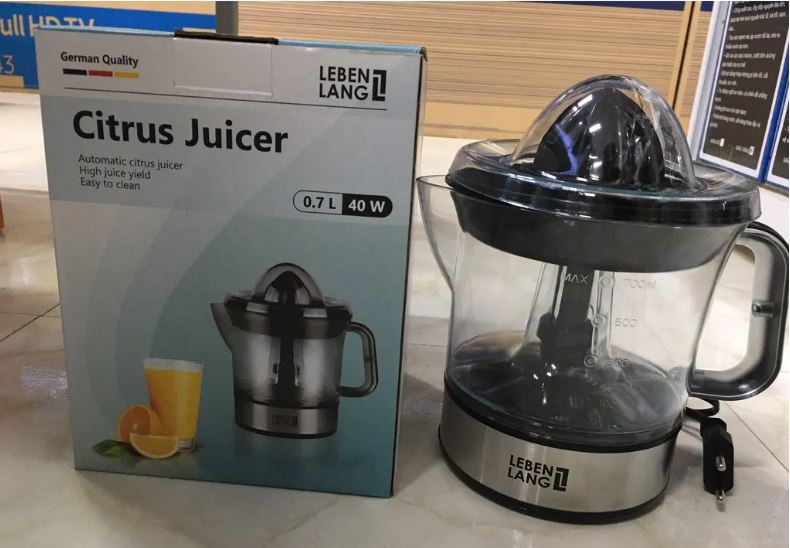
These have a few more components, like the motorized base (which should never be submerged in water!), the reaming cone, and the filter. The hybrid method is perfect here: wipe down the cone and juice collector, but let the filter air-dry to protect the mesh.
Centrifugal and Masticating Juicers
These are the models with the most parts, and where our recommended method truly shines. The intricate filter baskets, cutting discs, augers, and multiple screens are ideal candidates for air-drying after a good shake, while the larger pitchers and containers can be towel-dried and put away immediately.
Frequently Asked Questions (FAQ)
Q1: Can I just put my juicer parts in the dishwasher?
A: Many modern juicer parts are top-rack dishwasher-safe, but you must check your user manual first. Even if they are, I recommend turning off the high-heat drying cycle. The intense heat can warp plastic parts over time. It’s better to let them air-dry.
Q2: What is the best type of towel to use for drying juicer parts?
A: A high-quality, clean microfiber cloth is the undisputed champion. It’s highly absorbent, dries quickly, and is virtually lint-free. Avoid using regular cotton dish towels, as they tend to leave fibers behind, especially on stainless steel mesh.
Q3: How soon after washing should I dry the parts?
A: As soon as possible. Don’t let them sit in a puddle of water at the bottom of the sink. The longer they stay wet, the higher the chance of water spots and bacterial growth. Make washing and drying the final step of your juicing routine.
Q4: I see a white, chalky film on my parts after they dry. What is that?
A: That’s limescale, a deposit left by hard water. The best way to combat this is to towel-dry the parts promptly. If you already have buildup, you can soak the parts in a solution of equal parts water and white vinegar for about an hour, then scrub and rinse thoroughly.
Q5: Is it really that bad to put my juicer away with a few drops of water on the parts?
A: Yes, it can be. Those few drops of water in an enclosed space create a humid environment perfect for mildew to form, leading to unpleasant odors that can transfer to your juice. It’s worth the extra 30 seconds to ensure everything is completely dry.
The Final Squeeze
Mastering your juicing routine goes beyond just finding the perfect recipe. Caring for your machine is what ensures you can enjoy fresh, delicious, and healthy juice for years to come. Now that you know what is the best way to dry the parts of your juicer, you can avoid common pitfalls and maintain a hygienic, high-performing machine. The hybrid method of a quick towel-dry for simple parts and air-drying for the complex ones is the most effective and efficient path to juicer longevity. Your machine—and your taste buds—will thank you for it.