Fresh citrus juice is a culinary game-changer, elevating everything from vibrant dressings and marinades to refreshing cocktails and delicate desserts. For those who value efficiency and flavor in the kitchen, a handheld reamer is an indispensable tool. It offers a straightforward and rapid way to extract every last drop of juice, ensuring your dishes always taste bright and balanced. This guide will walk you through the various types of handheld reamers, essential factors to consider when buying one, top recommendations, and tips for optimal use and care, helping you choose the perfect companion for your quick cooking adventures.
Understanding Handheld Reamer Types
The world of handheld reamers primarily encompasses two main styles, each with distinct advantages for different cooking scenarios. Understanding these variations will help you pinpoint the best tool for your culinary needs.
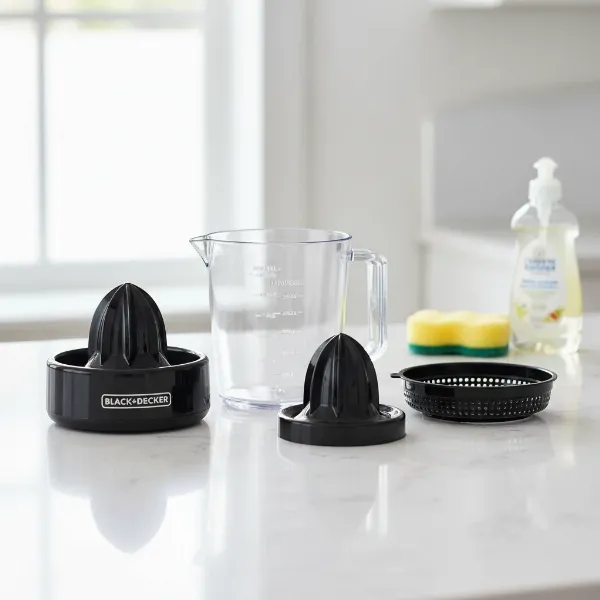
The traditional reamer-style tool typically features a ridged cone designed to be twisted directly into a halved citrus fruit. These are celebrated for their simplicity and compact size, making them ideal for small kitchens or for juicing directly over a bowl or pan. They are excellent for extracting juice from lemons, limes, and smaller oranges, allowing for precise control. However, they do require more manual effort and wrist strength, especially when processing larger quantities of fruit. Some reamers come with an integrated cup to catch juice and seeds, enhancing convenience.
In contrast, hinged or squeezer-style handheld juicers operate on a leverage principle. You place a halved citrus fruit (cut-side down) into a cup, and then press the handles together to squeeze out the juice. This design often provides significantly more leverage, reducing the physical effort and hand fatigue, which is a huge benefit for anyone needing to juice several fruits. Many hinged models also feature built-in strainers to catch seeds and pulp, delivering clean juice effortlessly. While generally larger than traditional reamers, their efficiency makes them a favorite for quick, mess-free juicing. Some hinged models are specifically designed for lemons and limes, while others offer larger capacities for oranges.
 Various types of handheld citrus reamers and squeezers for quick kitchen tasks
Key Factors When Choosing a Handheld Reamer
Selecting the right handheld reamer involves more than just picking the first one you see. Several crucial factors influence its performance, durability, and suitability for your cooking habits.
The material and durability of a handheld reamer are paramount. Stainless steel options are often the most robust, offering excellent corrosion resistance against acidic citrus juices and providing superior juicing power. They are built to last and can withstand frequent use. High-quality, BPA-free plastic reamers are popular for being lightweight, affordable, and often dishwasher-safe, making cleanup a breeze. While generally durable, the plastic can sometimes be less rigid than metal. Wood and glass reamers offer a more traditional, aesthetic appeal that can beautifully complement a kitchen. However, wooden reamers may require more careful cleaning and maintenance to preserve their look and prevent absorption of odors or liquids, while glass can be more fragile.
Ergonomics and ease of use directly impact your juicing experience. A comfortable, non-slip grip is essential, especially when your hands are wet from juicing. Look for designs that fit well in your hand and require minimal effort to operate. Features like dual-gear mechanisms in hinged juicers can significantly increase leverage, making them easier on your wrists and hands.
Juice extraction efficiency is another critical consideration. The best handheld reamers are designed to maximize the amount of juice extracted from each fruit, leaving behind dry pulp. Deep, ridged cups in reamers and well-designed pressing mechanisms in squeezers help hold the fruit securely and ensure thorough juicing.
Ease of cleaning is vital for any kitchen tool used frequently. Many modern handheld reamers and squeezers are dishwasher-safe, offering ultimate convenience. For those that aren’t, a simple design with minimal crevices will make hand-washing quick and easy.
Finally, consider pulp and seed control. Some reamers and squeezers incorporate built-in strainers or strategically placed perforations to separate seeds and large pulp pieces from the juice, ensuring a smooth, clean result directly into your dish or glass. For small kitchens, the size and storage of the reamer are also important; compact designs that fit easily into drawers or can be hung are often preferred.
Top Handheld Reamers for Quick Cooking Tasks
For home cooks seeking efficiency and quality, several handheld reamers consistently earn high marks for their performance in quick kitchen tasks. These tools combine smart design with robust materials to deliver fresh citrus juice with minimal fuss.
The Chef’n FreshForce Citrus Juicer stands out as a highly recommended hinged model, particularly for lemons and limes. Its innovative dual-gear mechanism provides significantly increased leverage, reducing the effort needed to squeeze. With a deep, ridged cup that securely holds fruit and slotted perforations, it efficiently directs juice downward, minimizing splashes. Another strong contender in the hinged category is the KitchenAid Citrus Squeezer. This model often features an integrated bowl to catch juice, complete with a convenient pour spout, allowing for mess-free operation and easy transfer of juice. Its design often allows it to be placed on a flat surface, further easing wrist fatigue.
For those who prefer the traditional reamer style, the Zak Designs Handheld Citrus Melamine Reamer is a popular choice. Made from durable, BPA-free melamine, it’s lightweight, easy to handle, and, importantly, dishwasher-safe for effortless cleanup. Its functional design is compact, saving valuable drawer space. Other notable hinged squeezers include the IMUSA Lime or Lemon Manual Squeezer, praised for its ergonomic handle and effective squeezing even for small fruits, and the TEZZ Premium Lemon Squeezer, which boasts a sleek stainless steel design and strong ergonomic handles for maximum extraction with minimal effort. For slightly larger citrus or robust use, some stainless steel models like the Gogocow Stainless Steel Citrus Orange Juicer offer a fine strainer and dishwasher-safe components, proving both elegant and practical.
Comparison Table: Top Handheld Reamers
Table is empty.| Feature | Chef’n FreshForce Citrus Juicer | KitchenAid Citrus Squeezer | Zak Designs Handheld Reamer |
|---|---|---|---|
| Type | Hinged Squeezer | Hinged Squeezer | Traditional Reamer |
| Material | Durable Plastic | Durable Plastic | BPA-Free Melamine |
| Key Advantage | Dual-gear leverage, high yield | Integrated juice bowl, spout | Compact, dishwasher-safe |
| Best For | Lemons, Limes | Lemons, Limes | Small citrus, direct juicing |
| Cleaning | Dishwasher Safe | Dishwasher Safe | Dishwasher Safe |
Maximizing Your Handheld Reamer: Usage and Care Tips
Getting the most out of your handheld reamer involves a few simple techniques and diligent care. These practices will ensure you extract maximum juice efficiently and keep your tool in top condition for years to come.
For proper juicing technique, always halve your citrus fruit across its equator, not lengthwise. For reamer-style tools, firmly press the reamer into the cut half and twist with a steady, circular motion, applying gentle pressure. For hinged squeezers, place the fruit half cut-side down into the cup to allow the reamer part to push into the pulp while the rind faces up. Apply firm, steady pressure on the handles until all the juice is extracted. Rolling the fruit on a countertop before cutting can also help break down the membranes, yielding more juice.
Cleaning for longevity is crucial, especially when dealing with acidic citrus. Rinse your reamer immediately after use to prevent pulp and juice from drying and hardening. For most plastic and stainless steel models, warm soapy water is sufficient, and many are thankfully dishwasher-safe. Always check the manufacturer’s instructions for specific care requirements. Wooden reamers, while beautiful, should typically be hand-washed with mild soap and thoroughly dried to prevent warping or cracking and to maintain hygiene. Avoid prolonged soaking for wooden reamers.
For storage solutions, the compact nature of handheld reamers makes them easy to store. Many can fit neatly into a kitchen drawer, while some designs feature a hanging hole for convenient access on a utensil rack. Keeping your reamer easily accessible encourages more frequent use and minimizes clutter.
Understanding flavor nuances can also enhance your cooking. Interestingly, the method of juicing can subtly affect the taste profile. Handheld hinged juicers, by pressing the peel, may extract some of the essential oils from the zest, potentially yielding juice with more floral or slightly bitter notes. Traditional reamers, which primarily focus on extracting juice from the pulp, often produce a cleaner, more purely tart flavor profile. Experiment with both styles to see which you prefer for different culinary applications.
Where to Find Your Perfect Handheld Reamer
Finding the ideal handheld reamer is easier than ever, with numerous options available both online and in brick-and-mortar stores. Knowing where to look and what to consider will help you make a confident purchase.
Online retailers like Amazon, Williams Sonoma, and Target offer an extensive selection of handheld reamers and citrus squeezers from various brands. These platforms often provide detailed product descriptions, customer reviews, and comparative pricing, allowing you to research and choose the best option from the comfort of your home. Keep an eye out for reputable brands that specialize in kitchen tools, as their products typically offer better durability and performance.
Specialty kitchen stores and department stores are also excellent places to shop. Here, you often have the advantage of physically handling different models, assessing their ergonomics, material quality, and overall feel before making a decision. Sales associates can also offer expert advice and recommendations based on your specific needs.
When buying online, always read customer reviews to gain insights into real-world performance, durability, and ease of cleaning. Pay attention to feedback regarding juicing efficiency, hand comfort, and how well the reamer holds up over time. Ensure the retailer has a clear return policy in case the product doesn’t meet your expectations. Look for listings that clearly specify the material (e.g., “BPA-free plastic,” “food-grade stainless steel”) and whether the item is dishwasher-safe. Avoid overly cheap products from unknown brands, as these may compromise on material quality and effectiveness.
Conclusion
A well-chosen handheld reamer is a small but mighty tool that can dramatically improve your efficiency and the flavor of your cooking. Whether you prefer the classic twist of a reamer-style tool or the powerful squeeze of a hinged juicer, the right one can transform the simple act of juicing citrus into a quick, effortless task. By considering factors such as material, ergonomics, juicing efficiency, and ease of cleaning, you can select a reamer that not only fits your budget but also your culinary style. Invest in a quality handheld reamer, and you’ll unlock a world of fresh, vibrant flavors, making every dish a little brighter.
What quick cooking task are you most excited to tackle with your new handheld reamer?
Frequently Asked Questions
What’s the main difference between a handheld reamer and a citrus press?
A handheld reamer typically has a ridged cone that you twist into a fruit half to extract juice, requiring direct hand effort. A citrus press (often hinged) uses leverage to squeeze fruit halves, generally requiring less direct hand strength and often providing better pulp control.
Can all handheld reamers go in the dishwasher?
No, not all handheld reamers are dishwasher-safe. While many plastic and stainless steel models are designed for dishwasher cleaning, wooden or glass reamers usually require hand-washing to preserve their material and integrity. Always check the manufacturer’s care instructions.
How do I get the most juice from a lime using a handheld reamer?
To maximize juice extraction from a lime, roll it firmly on a countertop for a few seconds before cutting it in half. This breaks down internal membranes. Then, use a firm, steady twisting motion with your reamer, applying gentle pressure to fully express the juice.
Are wooden reamers sanitary?
Yes, wooden reamers can be sanitary if properly cared for. They should be hand-washed immediately after use with mild soap and warm water, then thoroughly dried. Avoid soaking wooden reamers for extended periods, as this can lead to cracking or mold. Proper drying prevents bacterial growth.
What are the signs of a good quality handheld reamer?
A good quality handheld reamer typically features durable materials like stainless steel or BPA-free plastic, an ergonomic design for comfortable grip and reduced hand fatigue, efficient juice extraction with minimal effort, and easy cleaning (preferably dishwasher-safe). Look for designs with effective pulp and seed control and sturdy construction.