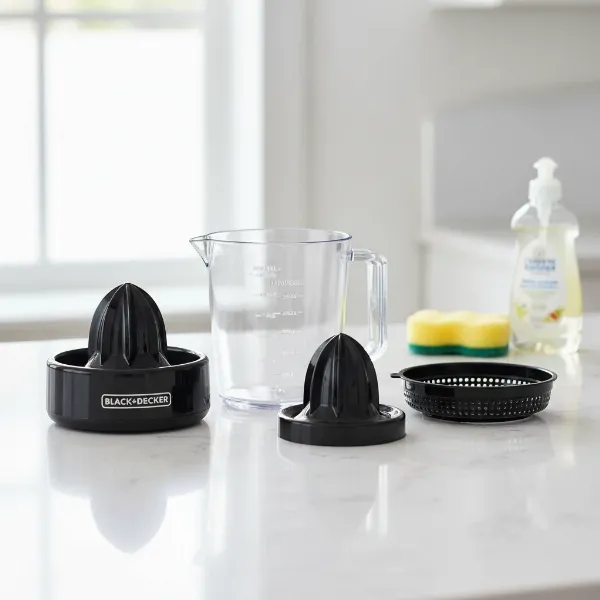
Every year, countless oranges are juiced, leaving behind a fragrant, often overlooked treasure: their peels. While the sweet, tangy liquid is quickly consumed, the discarded rinds often find their way to the trash. But what if these vibrant scraps held more potential than simple waste? Far from being mere refuse, leftover orange peels are packed with essential oils, vitamins, and fiber, offering a surprising array of uses that can enrich your cooking, refresh your home, and even benefit your well-being. This article will guide you through creative and sustainable ways to transform those seemingly useless peels into valuable assets, helping you embrace a zero-waste mindset and unlock their full potential.
The Hidden Treasure: Why Orange Peels Are Worth Saving
Orange peels are much more than just the outer layer of the fruit; they are a powerhouse of beneficial compounds. Rich in dietary fiber, vitamin C, and potent antioxidants like flavonoids, these peels often contain even higher concentrations of certain nutrients than the fruit’s flesh itself. Their distinct aromatic compounds, found in the essential oils, are responsible for that refreshing citrus scent we all love.
Beyond their nutritional value, repurposing orange peels addresses a significant environmental concern. When organic waste, such as fruit peels, ends up in landfills, it decomposes anaerobically, releasing methane gas – a greenhouse gas far more potent than carbon dioxide. By diverting these peels from landfills and giving them a second life, you contribute to reducing waste and minimizing your ecological footprint. The orange peel consists of two main parts: the brightly colored zest, which is the outermost layer and contains most of the aromatic oils, and the white, spongy pith underneath. Unlike lemons, orange pith is generally milder and can be incorporated into certain preparations, making the entire peel highly versatile.
Culinary Delights: Savory and Sweet Uses for Orange Peels
Don’t let that vibrant citrus flavor go to waste! Orange peels can elevate a vast array of dishes, from comforting baked goods to sophisticated savory meals. Their bright, zesty notes add a unique dimension that can transform ordinary recipes into extraordinary culinary experiences.
Zesting for Flavor
Table is empty.Zesting is one of the easiest and most impactful ways to utilize orange peels. This process involves grating or shaving off the outermost orange layer, avoiding the bitter white pith. The resulting zest is incredibly versatile and can be used fresh or dried to infuse a burst of citrus aroma and taste into countless dishes.
For baked goods, orange zest is a classic addition to cakes, muffins, cookies, and scones, providing a fragrant depth that complements sweetness beautifully. A teaspoon of fresh zest can brighten up a simple vanilla cake or add a signature touch to chocolate desserts. In savory cooking, orange zest can be grated into salad dressings for a fresh tang, mixed into marinades for fish or poultry to tenderize and flavor, or sprinkled over roasted vegetables like carrots or sweet potatoes to enhance their natural sweetness. It can also be a secret ingredient in rice dishes, couscous, or even chili, adding an unexpected layer of complexity without altering texture. For drinks, orange zest strips make elegant garnishes for cocktails like an Old Fashioned or a Negroni, releasing aromatic oils with a gentle twist. You can also infuse hot water with zest for a refreshing, naturally flavored tea, or add it to homemade iced tea for an an extra zing. To preserve zest, simply spread it on a parchment-lined tray and let it air dry, or freeze it in an airtight container for future use.
Candied Orange Peels
Transforming orange peels into candied delights is a rewarding process that turns a potential waste product into a gourmet treat. These glistening, chewy strips make a wonderful snack on their own, a beautiful garnish for desserts, or a thoughtful homemade gift. The process involves blanching the peels multiple times to remove bitterness, then simmering them in a sugar syrup until translucent, and finally drying them until firm.
To make candied peels, begin by carefully removing the peels from your oranges, ensuring as much of the pith remains as desired (a little pith adds a nice chewiness). Slice them into uniform strips. Blanch the peels by boiling them in water for about 10-15 minutes, then draining and repeating this step two or three times. This crucial step helps to eliminate any lingering bitterness. Next, prepare a simple syrup with equal parts sugar and water. Add the blanched peels to the syrup and simmer gently until they become translucent and tender, absorbing the sweet liquid. Finally, remove the peels with tongs, let any excess syrup drip off, and lay them out on a wire rack to dry at room temperature for 12-24 hours, or until they reach your desired chewy consistency. For an extra touch, you can toss them in granulated sugar before the final drying.
 Glistening candied orange peels drying on a rack, sweet and ready to eat.
Orange Peel Powder
If you’re looking for a long-lasting and versatile way to store and use orange peels, turning them into a fine powder is an excellent option. This concentrated citrus powder can be a secret ingredient in your pantry, ready to impart its intense flavor whenever needed.
The key to orange peel powder is thorough dehydration. After juicing, clean the peels well and remove as much white pith as possible, as the pith can become even more bitter when dried. Spread the peels in a single layer on a baking sheet and bake at a very low temperature (around 150-200°F or 65-95°C) until they are completely dry and brittle, typically several hours. Alternatively, you can use a food dehydrator, following the manufacturer’s instructions, or simply air-dry them in a well-ventilated area for several days. Once fully dried, the peels should snap easily. Grind them into a fine powder using a spice grinder, coffee grinder, or a high-speed blender. Store the orange peel powder in an airtight container in a cool, dark place, and it will retain its potency for months. This powder can be used as a fragrant spice rub for meats, added to teas for a subtle citrus note, blended into smoothies, or incorporated into baked goods for a concentrated burst of orange flavor.
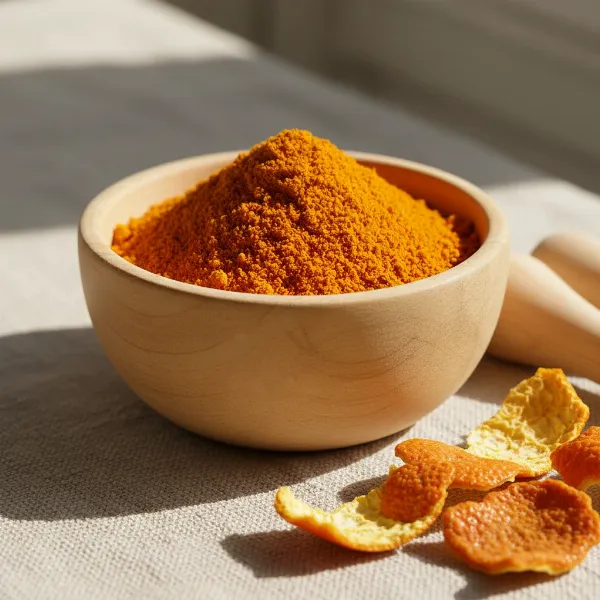 Vibrant orange peel powder in bowl, with dry peels, ready for seasoning.
Infused Oils, Vinegars, and Spirits
Orange peels are perfect for infusing liquids, imparting their vibrant flavors and aromas into oils, vinegars, and even alcoholic spirits. These infusions make fantastic culinary ingredients or unique homemade gifts. One popular application is oleo saccharum, a classic cocktail ingredient made by macerating citrus peels with sugar, which draws out the flavorful oils to create a rich, aromatic syrup. To make it, simply combine orange peels with granulated sugar in a bowl, muddle them slightly, and let them sit for several hours or overnight. The sugar will pull the essential oils from the peels, creating a fragrant syrup ideal for punches and cocktails.
For savory uses, orange-infused olive oil can be made by steeping dried orange peels in high-quality olive oil for a few weeks, creating a delightful dressing for salads or a finishing oil for roasted dishes. Similarly, citrus-infused vinegar is an easy way to elevate your vinaigrettes. Place clean orange peels in a jar, cover with white vinegar, and let it steep for 1-2 weeks before straining. For a more adventurous endeavor, consider making arancello, an Italian liqueur similar to limoncello but with oranges. Infusing vodka or grain alcohol with fresh orange peels for several weeks, then combining it with a simple syrup, yields a wonderfully aromatic and potent digestif. You can also create citrus salt by finely mincing fresh orange zest and combining it with coarse sea salt, which is excellent for seasoning vegetables, pasta, or rimming cocktail glasses.
Home & Health: Non-Culinary Applications for Orange Peels
The versatility of orange peels extends far beyond the kitchen. Their natural oils and compounds make them excellent for creating natural cleaning solutions, refreshing your living spaces, and even aiding in personal care routines. Embracing these non-culinary uses is another fantastic step towards a zero-waste lifestyle.
Natural Cleaning Solutions
Orange peels are a secret weapon for eco-friendly cleaning. Their natural d-limonene content is a powerful degreaser and leaves behind a pleasant, fresh scent. The simplest way to create a natural cleaner is by infusing peels in vinegar.
To make an all-purpose citrus cleaner, fill a glass jar with orange peels and cover them completely with white vinegar. Seal the jar and let it steep in a cool, dark place for 2-4 weeks. The vinegar will extract the citrus oils, resulting in a potent and fragrant cleaning solution. Strain out the peels, and dilute the infused vinegar with water (a 1:1 ratio is common) before using it on countertops, floors, and other surfaces. This natural cleaner is effective against grease and grime, leaving behind a streak-free shine and a refreshing aroma without harsh chemicals. Another quick trick: drop a few orange peels into your garbage disposal and run it with cold water. The peels will help scrub away food residue and leave your disposal smelling fresh, thanks to their natural deodorizing properties.
DIY Air Fresheners & Simmer Pots
Forget artificial room sprays; orange peels offer a natural and inexpensive way to freshen your home. Their uplifting aroma can banish stale odors and create an inviting atmosphere.
One of the easiest methods is to create a simmer pot. Simply combine orange peels with water, cinnamon sticks, cloves, and perhaps a few star anise pods in a saucepan. Bring to a gentle simmer on the stove, and let the fragrant steam waft through your home, creating a cozy and inviting scent, especially during colder months. You can keep this simmering for several hours, adding water as needed. For a simpler approach, dried orange peels can be placed in small sachets or bowls and left in closets, drawers, or pantries to absorb odors and release a subtle citrus scent. You can also dry the peels and place them in a small dish in the refrigerator to help neutralize food odors. The essential oils in the peels naturally combat unpleasant smells, making them a fantastic, chemical-free alternative to commercial air fresheners.
Pest Deterrent
Certain compounds in orange peels, particularly d-limonene, act as natural deterrents for common household and garden pests. While not a complete pest control solution, they can certainly help keep unwanted visitors at bay.
For indoor pests, placing small pieces of fresh or dried orange peel near entry points like windowsills or cracks can help deter ants and spiders, as they dislike the strong citrus scent. In the garden, scattering orange peels around the base of plants might discourage slugs, snails, and even some cats who are known to avoid citrus aromas. You can also blend peels with water to create a spray that can be used on plant leaves (test a small area first) to deter aphids and other soft-bodied insects. The natural oils are generally harmless to plants but irritating to many pests, making this a gentle and organic approach to pest management.
Personal Care & Wellness
The beneficial properties of orange peels aren’t just for cooking and cleaning; they can also be incorporated into your personal care routine, offering natural exfoliation and aromatic therapy.
Dried and ground orange peel powder can be mixed with a carrier oil (like coconut or almond oil) and a coarse salt or sugar to create a natural body or foot scrub. The fine powder provides gentle exfoliation, while the citrus oils invigorate the skin and leave a refreshing scent. For a soothing experience, infuse dried orange peels into hot water to make an aromatic orange peel tea. This tea is caffeine-free and offers a subtle, comforting flavor, believed to aid digestion and relaxation. While making pure essential oil from peels is a more complex process typically requiring specialized equipment, you can still enjoy the aromatic benefits by adding fresh peels to a warm bath for a fragrant soak, releasing their calming and uplifting essential oils naturally.
Sustainable Disposal: Composting Orange Peels
Even after exploring all these creative uses, you might still have some orange peels left over, or perhaps some of the dried and used peels. Composting is an excellent way to return these organic materials to the earth, enriching soil and completing the cycle of waste reduction.
Composting orange peels, like other fruit and vegetable scraps, can significantly reduce the amount of waste sent to landfills. When composted correctly, these peels break down into nutrient-rich soil amendment, which can then be used to nourish gardens and potted plants. This process helps to sequester carbon, transforming organic matter into stable humus. However, there are some important considerations, especially for home composting. Citrus peels, particularly in large quantities, are highly acidic and can slow down the decomposition process in a small home compost pile. They also contain compounds that can deter beneficial worms, which are crucial for vermicomposting. Therefore, if you have a worm bin, it’s generally recommended to add citrus peels sparingly or avoid them altogether. For traditional compost piles, it’s best to chop the peels into smaller pieces to speed up decomposition and balance them with plenty of “brown” materials like dry leaves or wood chips to counteract the acidity. Industrial composting facilities are generally better equipped to handle large quantities of citrus peels due to their higher temperatures and specialized systems, making them an ideal destination for your peels if available in your area.
Conclusion
The humble orange peel, often dismissed as mere kitchen waste, is truly a powerhouse of untapped potential. From infusing your culinary creations with vibrant zest and flavor to providing natural cleaning solutions and aromatic home refreshers, the possibilities for repurposing these fragrant rinds are virtually endless. By embracing a little creativity and a zero-waste mindset, you can transform what was once trash into valuable resources, enriching your life and contributing to a more sustainable planet. So, the next time you finish juicing those oranges, pause before tossing the peels. Experiment with candying them for a sweet treat, grinding them into a potent spice, or infusing them into a natural household cleaner. Discover the satisfaction of giving new life to something often discarded. What creative way will you choose to honor the zest of life and the versatility of the orange peel today?
Frequently Asked Questions
Can you eat orange peels?
Yes, orange peels are edible and often used in culinary applications, particularly the zest. While the entire peel can be consumed, such as when candied, it’s generally recommended to choose organic oranges and wash them thoroughly to avoid pesticide residues.
What are the health benefits of orange peels?
Orange peels are rich in dietary fiber, vitamin C, and various antioxidants like flavonoids. These compounds support digestive health, boost the immune system, and may have anti-inflammatory properties. The essential oils also contribute to a refreshing aroma and potential mood-lifting effects.
How do you dry orange peels for storage?
To dry orange peels, clean them and remove as much white pith as possible. Spread them in a single layer on a baking sheet or dehydrator tray. Dry them in an oven at a low temperature (150-200°F/65-95°C) until brittle, or use a food dehydrator. Store the dried peels or powder in an airtight container in a cool, dark place.
Is orange peel good for composting?
Orange peels can be composted, but with some considerations for home composters. Their acidity and compounds can deter worms in vermicomposting and slow decomposition in traditional piles. It’s best to chop them into small pieces and balance them with “brown” materials. Industrial composting facilities handle them more effectively.
Can orange peels be used as a natural cleaner?
Absolutely! Orange peels are excellent for natural cleaning due to their d-limonene content, a powerful degreaser and deodorizer. You can steep them in white vinegar for 2-4 weeks to create an effective, all-purpose citrus-infused cleaning solution for various household surfaces.