Is your morning orange juice ritual feeling more like a chore? Perhaps your beloved citrus juicer isn’t extracting as much juice as it used to, leaving behind more pulp and requiring extra effort. Many home juicers wonder if they can “sharpen” their juicer’s cone to restore its original efficiency. While the concept of sharpening applies to some juicer types, it’s a different story for the common citrus juicer. This guide will clarify the distinction and provide practical steps for maintaining and, when necessary, replacing your citrus juicer’s cone.
Understanding Your Citrus Juicer’s Cone (Reamer)
Table is empty.Citrus juicers, whether manual or electric, operate on a different principle than centrifugal or masticating juicers. Instead of sharp blades that shred or grind produce, a citrus juicer features a ridged, cone-shaped part, often called a reamer. You simply press a halved citrus fruit onto this reamer and twist (or the machine rotates it) to extract the juice. The reamer’s design is all about squeezing and breaking down the fruit’s membranes to release liquid, not cutting it.
These reamers are typically made from durable plastics or ceramics. Unlike metal blades, their effectiveness doesn’t come from a razor-sharp edge. Instead, it relies on the integrity of their textured, ridged surface to grip and break down the fruit efficiently.
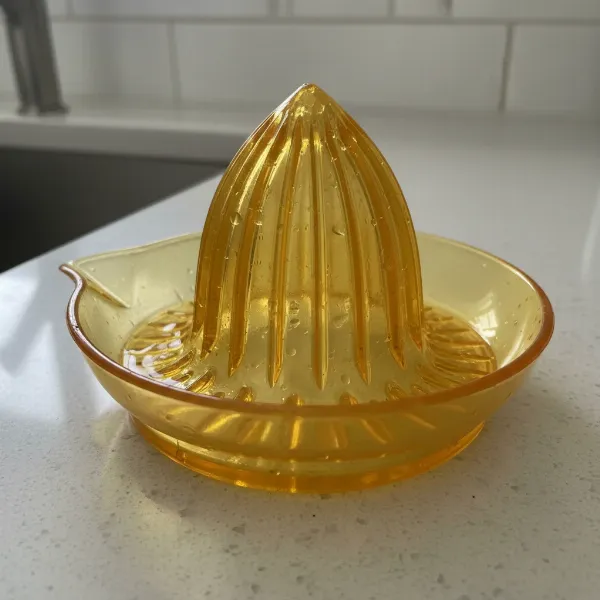 Close-up of a citrus juicer reamer showing its ridged, cone-shaped design.
Is Your Juicer Cone Truly “Dull” or Just Needs Care?
When your citrus juicer seems less effective, producing less juice or requiring more pressure, it’s easy to assume the cone is “dull.” However, for plastic or ceramic reamers, this dullness isn’t about a blunted edge. The symptoms of a poorly performing cone often include:
- Reduced Juice Yield: You’re getting less juice from the same amount of fruit.
- Increased Effort: Manual juicers require significantly more force, or electric juicers struggle.
- Excessive Pulp: More pulp remains on the fruit half after juicing.
- Slippage: The fruit slides on the reamer rather than being efficiently squeezed.
The primary causes behind these issues are typically:
- Wear and Tear: Over time, the ridges of the reamer can smooth out or degrade, especially with frequent use.
- Residue Buildup: Dried pulp, fruit fibers, and mineral deposits from water can accumulate in the grooves and crevices of the cone, hindering its ability to grip and extract juice. Non-organic citrus fruits might also leave wax residue.
The Myth of Sharpening a Citrus Juicer Cone
It’s a common misconception that you can sharpen a citrus juicer cone like a knife blade. For the vast majority of plastic or ceramic citrus reamers, true sharpening is neither feasible nor recommended.
- No Sharpenable Edge: These cones don’t have a cutting edge in the traditional sense. Their design is for crushing and squeezing, not slicing.
- Material Limitations: Plastic and ceramic materials are not designed to hold a sharpened edge. Attempting to file or grind these surfaces can permanently damage the cone, create unevenness, or introduce rough spots that could contaminate your juice or wear down faster.
- Distinction from Blade Juicers: While some centrifugal or masticating juicers feature metal blades or cutter plates that can be professionally sharpened or, in some cases, revitalized with methods like juicing ice cubes, these techniques are entirely inappropriate for a citrus juicer’s cone.
If your citrus juicer cone is performing poorly, the solution lies in proper maintenance or replacement, not sharpening.
First Line of Defense: Thorough Cleaning
Before you consider any drastic measures, a thorough cleaning is essential. Often, what appears to be a “dull” cone is merely one clogged with dried pulp, fruit fibers, or mineral deposits. Regular cleaning not only maintains hygiene but also restores the cone’s effectiveness by exposing its original ridged surface.
Cleaning Steps for Your Citrus Juicer Cone:
- Disassemble: Always unplug your electric juicer or fully separate the cone from a manual one.
- Rinse Immediately: After each use, rinse the cone under warm running water to remove loose pulp and juice before it dries and hardens.
- Scrub with Soap: Use a small amount of mild dish soap and a brush (a dedicated cleaning brush or even an old toothbrush works well) to scrub the cone. Pay special attention to the ridges and any slits or holes where juice drains, as pulp tends to accumulate here.
- Hot Water Rinse: Rinse thoroughly with hot water to remove all soap residue and help sanitize the cone.
- Dry Completely: Air dry or wipe the cone completely with a clean cloth before reassembling or storing. This prevents water spots and bacterial growth.
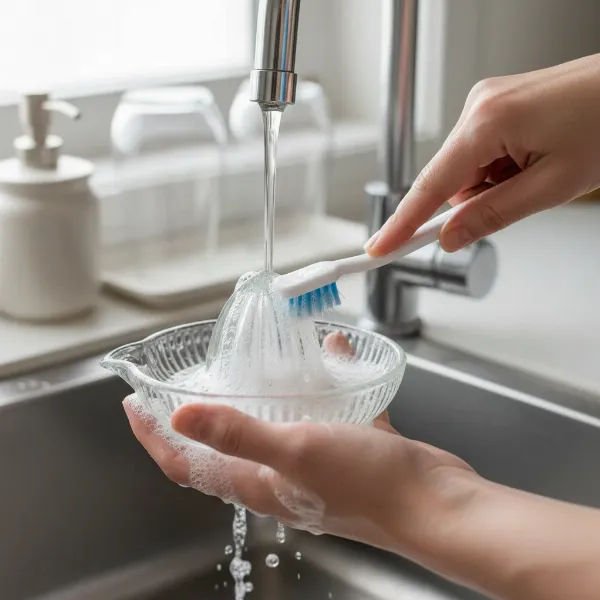 Hand scrubbing a citrus juicer cone with a small brush under running water.
Troubleshooting a Stuck Cone:
Sometimes, a cone can become difficult to remove due to stubborn dried pulp or residue.
- Apply Heat: Gently run the cone under hot water or use a hairdryer on a low setting to warm it. Heat can help loosen dried-on debris.
- Rubber Grip: Use a rubber grip pad or a pair of rubber gloves to get a better grip when twisting and pulling.
- Food-Safe Lubricant: A tiny amount of food-safe lubricant, like vegetable oil or cooking spray, applied around the base where the cone connects can help. Allow it to sit for a few minutes before trying to twist and pull.
When to Replace Your Citrus Juicer Cone
Even with the best care, juicer cones can wear out. Replacement becomes the necessary step when:
- Visible Wear: The ridges on the cone appear smoothed down, eroded, or rounded, significantly reducing its ability to grip fruit.
- Cracks or Breaks: Any cracks, chips, or broken pieces on the cone not only reduce efficiency but can also pose a food safety risk.
- Persistent Inefficiency: If thorough cleaning and troubleshooting fail to restore juicing performance, the cone is likely worn beyond repair.
- Lost Part: Sometimes, a cone simply gets misplaced or lost during cleaning or storage.
Replacing the cone is a highly cost-effective solution compared to purchasing an entirely new juicer, and it helps reduce electronic waste.
Step-by-Step Guide to Replacing Your Juicer Cone
Replacing a citrus juicer cone is usually a straightforward process designed for easy home maintenance.
- Safety First: Always ensure your electric juicer is unplugged from the power outlet before beginning. For manual juicers, ensure it’s stable.
- Remove the Old Cone:
- Most cones detach with a simple twist-and-lift motion. Turn it counter-clockwise and gently pull upwards.
- If it’s stuck, refer to the “Troubleshooting a Stuck Cone” tips mentioned above. Avoid excessive force that could damage the juicer’s motor shaft or base.
- Clean the Spindle/Base: Before installing the new cone, thoroughly clean the central spindle and the surrounding area where the cone sits. Remove any accumulated pulp or residue to ensure the new cone fits securely and operates smoothly.
- Find the Correct Replacement: This is critical. Juicer cones are often specific to brand and model.
- Check Your Manual: Your juicer’s instruction manual will list the correct part number.
- Identify Your Model: Look for the model number, usually found on a sticker on the bottom or back of your juicer.
- Source the Part: Order an Original Equipment Manufacturer (OEM) part directly from the manufacturer or a reputable authorized dealer. Many compatible third-party replacement cones are also available; ensure they specify compatibility with your exact model. Universal cones are rare and often don’t provide the best fit or performance.
- Install the New Cone:
- Align the new cone with the juicer’s central spindle. Many cones have a keyway or specific grooves for alignment.
- Gently push down and twist clockwise until it clicks or locks securely into place. It should feel firm and stable, with no wobbling.
- Test the Juicer: Once installed, plug in your electric juicer or set up your manual one. Test it with a citrus fruit to confirm optimal juice extraction and smooth operation.
Prolonging the Life of Your Juicer Cone
Consistent care can significantly extend the lifespan of your juicer cone and maintain peak performance:
- Clean Immediately After Use: Prevent pulp and juice from drying onto the cone’s surface.
- Hand Wash: Many plastic cones are not dishwasher safe, as high heat can warp the plastic and degrade the material over time. Always check your manufacturer’s instructions.
- Store Properly: Keep your juicer parts clean and dry in a cabinet or on a counter, protected from accidental drops or impacts that could chip or crack the cone.
- Gentle Pressure: While juicing requires some force, avoid excessive, aggressive pressure that could prematurely wear down the cone’s ridges or strain the juicer’s motor.
Conclusion
Maintaining your citrus juicer for peak performance doesn’t involve sharpening its cone, but rather consistent cleaning and timely replacement. Understanding that a citrus reamer’s function is to squeeze, not cut, clarifies why traditional sharpening methods are ineffective. By prioritizing thorough cleaning, recognizing the signs of wear, and confidently replacing a worn or damaged cone, you can ensure your juicer continues to deliver delicious, fresh-squeezed juice for years to come. Enjoy every vibrant drop!
Frequently Asked Questions
Can I sharpen a plastic citrus juicer cone?
No, plastic or ceramic citrus juicer cones, also known as reamers, cannot be sharpened in the traditional sense like metal blades. Their ridged design works by squeezing fruit, and attempting to sharpen them can cause damage and reduce efficiency.
How do I know if my juicer cone needs replacing?
You’ll typically notice reduced juice yield, increased effort required for juicing, or excessive pulp left in the fruit. Visible signs like worn-down ridges, cracks, or chips are definite indicators that it’s time for a replacement.
What if my juicer cone is difficult to remove?
If your juicer cone is stuck, try applying gentle heat with hot water or a hairdryer to loosen dried pulp. A rubber grip or glove can provide better traction, and a small amount of food-safe lubricant around the base might help.
Are replacement cones universal for all citrus juicers?
No, juicer cones are generally model-specific. It is crucial to check your juicer’s brand and model number to ensure you purchase a compatible replacement part, as a universal fit is rare and often suboptimal.
How often should I clean my citrus juicer cone?
For optimal performance and hygiene, you should clean your citrus juicer cone after every use. This prevents the buildup of pulp, fruit fibers, and mineral deposits that can diminish its effectiveness over time.