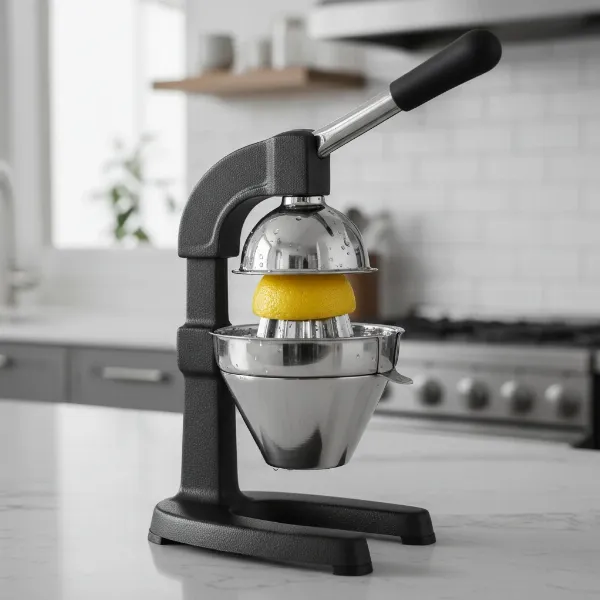
For many, the simple joy of fresh-squeezed orange juice or a splash of lemon in a recipe is a treasured culinary experience. However, for individuals living with arthritis, carpal tunnel syndrome, or a weakened hand grip, the act of manually juicing citrus can transform into a painful and frustrating chore. The strain, repetitive motion, and intense squeezing required by traditional reamers and handheld presses often leave hands aching and spirits dampened. The good news is that advancements in kitchen technology offer a range of thoughtful solutions, designed to minimize effort and maximize juice yield, allowing everyone to enjoy fresh citrus without discomfort.
Understanding the Challenge: Juicing with Hand Limitations
The intricate bones and joints in our hands make them susceptible to conditions that can severely impact grip strength and dexterity. Arthritis, whether osteoarthritis or rheumatoid arthritis, causes inflammation and pain in the joints, making gripping and twisting motions excruciating. Similarly, carpal tunnel syndrome can lead to weakness and numbness, further hindering the ability to apply firm, sustained pressure. Traditional juicers often exacerbate these issues, demanding repetitive squeezing that aggravates pain and can even deter individuals from cooking or preparing fresh drinks. The ideal juicer for this demographic must fundamentally reduce or eliminate the need for strenuous hand movements, providing stability, leverage, or motor assistance.
Key Features to Prioritize in an Arthritis-Friendly Citrus Juicer
Selecting the right citrus juicer when dealing with hand pain involves looking beyond mere efficiency to features that directly address ergonomic needs. Here’s what truly matters:
- Minimal Effort & Maximum Leverage: This is paramount. Look for designs that use mechanical advantage, such as long press arms or electric motors, to do the heavy lifting. The less force you need to exert with your hands, the better.
- Ergonomic Design: Comfortable, non-slip handles or a stable base are crucial. Juicers that allow you to use your body weight or other body parts (like forearms or elbows) for pressure, rather than just hand grip, are highly beneficial.
- Ease of Use & Operation: Complicated assembly or multiple steps can be challenging. A simple, straightforward operation that requires minimal dexterity is ideal.
- Effortless Cleaning: Small crevices and hard-to-reach parts can be a nightmare to clean with stiff or painful joints. Prioritize models with dishwasher-safe components or designs that rinse clean easily.
- Stability: Countertop models often provide superior stability, preventing the juicer from sliding around and reducing the need to hold it steady with a weak grip.
- Versatility in Citrus Size: Ensure the juicer can accommodate the types and sizes of citrus you typically use, from small limes to large grapefruits, without requiring extra effort to fit them.
- Safety Features: Look for secure components and designs that prevent accidental slips or injuries during operation.
Types of Citrus Juicers for Limited Hand Strength
The market offers several categories of citrus juicers, each with varying levels of suitability for individuals with arthritis or weak hand grip. Understanding these differences is key to making an informed choice.
Electric Citrus Juicers
Electric models are the ultimate solution for hands-free juicing. They typically feature a motorized reamer that spins when gentle pressure is applied to a halved citrus fruit.
- Pros: Require virtually zero manual squeezing or pressing effort. Ideal for juicing large quantities quickly and efficiently. Can handle all sizes of citrus with interchangeable cones.
- Cons: Generally more expensive, take up more counter space, and may produce a low humming sound during operation.
- Best For: Those who frequently juice large batches, or for whom any manual effort is painful.
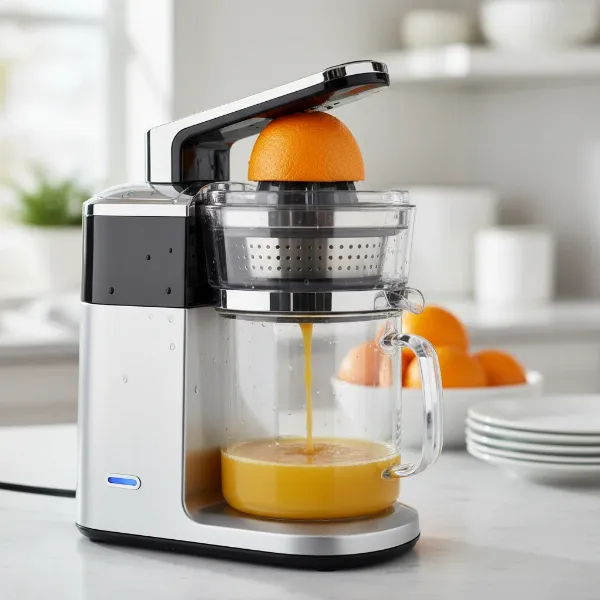 An electric citrus juicer efficiently extracting juice from an orange half with minimal user effort.
Manual Lever-Press Juicers (Countertop)
These robust juicers use a long handle or press arm to provide immense leverage, allowing you to extract juice with minimal hand strength. You place the citrus half in a cup, and pull down a lever.
- Pros: Offer superior juice extraction with significantly less effort than handheld squeezers, utilizing body weight and leverage. They are quiet, durable, and don’t require electricity. Many can accommodate larger citrus.
- Cons: Heavier and bulkier, requiring dedicated counter space. While easy, they still involve a downward pressing motion.
- Best For: Individuals seeking a balance between manual control and reduced physical strain, especially for regular juicing without electricity.
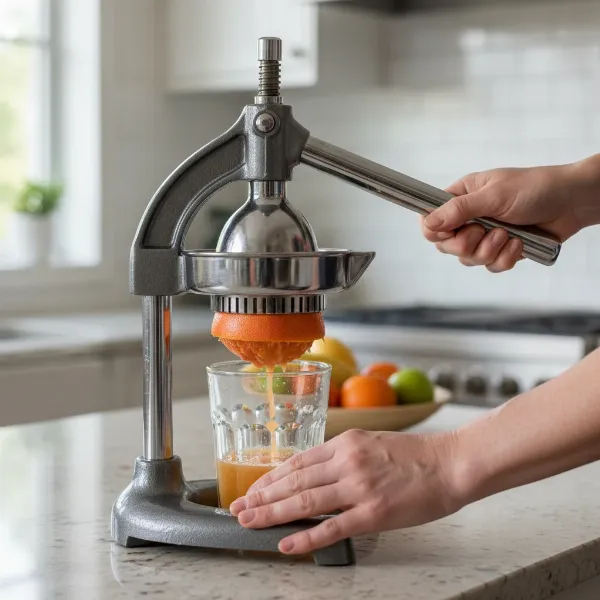 A person with mild hand issues using a manual lever-press juicer on a countertop with ease.
Ergonomic Handheld Squeezers with Enhanced Leverage
While traditional handheld reamers and squeezers are often problematic, some modern designs incorporate features like dual-gear mechanisms or comfortable, cushioned handles to reduce wrist fatigue and improve grip.
- Pros: Compact, affordable, and easy to store. Good for small, quick juicing tasks (e.g., a lemon wedge for a drink).
- Cons: Typically limited to smaller citrus (lemons and limes). Still require some degree of hand grip and squeezing, which might not be suitable for severe hand conditions.
- Best For: Those with milder hand issues or who only need to juice small amounts occasionally, and prioritize portability and space-saving.
Top Recommended Citrus Juicers for Arthritis and Weak Hands
Based on their design, ease of use, and user feedback from those with hand limitations, here are some of the best citrus juicers currently available:
KitchenAid Citrus Juice Press (Manual Countertop Press)
This innovative manual press stands out for its thoughtful design, making it a favorite among those with arthritis. Unlike traditional squeezers, it features a flat bottom that rests securely on your countertop, allowing you to press down using leverage rather than solely relying on grip strength.
“The accessibility of this juicer is just chef’s kiss. You can lean on it any way that suits you — you could use a forearm or elbow, you could even use your foot or sit on it or put a heavy book on top and then press on that. You don’t even have to take it apart to pour the juice out, so if that’s not in your realm of capability once you’re done squeezing, you still get the juice.” – Sarah Chrzastowski, Author and Cook with Arthritis.
It includes a built-in strainer to catch pulp and seeds and an integrated spout for easy pouring. This design significantly reduces the risk of carpal tunnel syndrome often associated with manual juicing, making it a genuinely “disabled chef’s dream.”
Breville Citrus Press Pro Juicer (Electric)
For ultimate ease and efficiency, the Breville Citrus Press Pro is a top-tier electric option. This powerful machine is designed to extract maximum juice with virtually no effort from the user. Its active arm press gently lowers the reamer onto the fruit, and the motorized reamer does all the work.
Users consistently praise its speed, efficiency, and quiet operation compared to other electric models. It accommodates all citrus sizes, from tiny limes to large grapefruits, making it a versatile choice for any juicing need. Cleaning is also straightforward, with many parts being dishwasher safe. If you juice frequently or require absolute minimal physical input, this model is an excellent investment.
Black + Decker Citrus Juicer (Electric)
A more budget-friendly electric option, the Black + Decker Citrus Juicer still delivers impressive performance with minimal effort. It comes with two sizes of reaming cones to handle small and large citrus fruits, and features adjustable pulp control, allowing you to customize your juice texture.
The juicer channels juice directly into a 32-ounce pitcher, complete with measurement marks and a cover for storage. Most removable parts are dishwasher safe, simplifying the cleaning process. This juicer is a strong contender for those who need an electric option but are mindful of their budget.
OXO Good Grips Citrus Squeezer (Ergonomic Handheld)
While generally recommending against traditional handheld squeezers for severe hand issues, the OXO Good Grips Citrus Squeezer earns a mention for its superior ergonomic design. Its comfortable, non-slip handles are specifically engineered to absorb pressure, making it less taxing on the hands than standard models.
This sturdy die-cast aluminum squeezer is efficient for lemons and limes and is notably easy to clean due to its design with fewer nooks and crevices. Chef Bricia Lopez praises it as a “classic must-have” due to its ease of cleaning and dishwasher-safe nature. For those with milder arthritis or occasional small-batch juicing needs who prefer a compact tool, this OXO model offers a more hand-friendly experience.
Chef’n FreshForce Citrus Juicer (Ergonomic Handheld with Dual Gear)
The Chef’n FreshForce is another handheld option that goes above and beyond a basic squeezer. Its unique dual-gear mechanism significantly increases leverage, claiming to extract up to 20% more juice with less wrist fatigue. Users report that it effectively pulverizes fruit, getting every last drop of juice. While it still requires a squeezing action, the enhanced leverage makes it much more manageable than other handheld models. It comes in different sizes, with larger models suitable for oranges, though storage might become a consideration.
Tips for Maximizing Juice Extraction and Minimizing Strain
Even with the best equipment, a few simple techniques can further enhance your juicing experience and protect your hands:
- Warm Your Citrus: Gently warm citrus fruits in the microwave for 10-20 seconds or roll them on the countertop before cutting. This helps loosen the membranes and increases juice yield.
- Roll Before Cutting: Firmly roll the whole citrus fruit back and forth on your countertop with the palm of your hand for about 10-15 seconds. This also helps break down internal segments.
- Cut Correctly: Always cut citrus fruits in half across the middle, not lengthwise, to expose the most pulp for juicing.
- Clean Immediately: Rinse your juicer parts immediately after use to prevent pulp and sticky residue from drying and becoming harder to remove. Use warm, soapy water for non-dishwasher-safe components.
Where to Purchase Your Arthritis-Friendly Juicer
Finding these specialized juicers is straightforward. Most are readily available online through major retailers like Amazon, Wayfair, and Williams Sonoma. Specialty kitchenware stores and the official brand websites (KitchenAid, Breville, OXO, Black + Decker) are also reliable sources. When shopping online, pay attention to detailed product descriptions and customer reviews to confirm features like ease of use and cleaning.
Conclusion
Living with arthritis or a weak hand grip doesn’t mean you have to forgo the pleasure of fresh citrus juice. By understanding the unique challenges and prioritizing features like leverage, ergonomic design, and ease of cleaning, you can find a citrus juicer that transforms a once-difficult task into an effortless delight. Whether you opt for the powerful simplicity of an electric model, the robust leverage of a manual press, or an intelligently designed ergonomic handheld, the perfect tool is out there waiting to bring zest back into your kitchen. What fresh citrus concoction will you create first with your newfound ease?
Frequently Asked Questions
What type of citrus juicer is easiest to use for someone with severe arthritis?
For severe arthritis or very weak hands, an electric citrus juicer is generally the easiest option as it requires minimal to no manual effort, relying on a motor to ream the fruit.
Are there any manual citrus juicers that don’t require strong hand squeezing?
Yes, manual lever-press juicers designed for countertops are excellent. They use a long handle and leverage, often allowing you to use your body weight or forearm to press, significantly reducing the need for hand squeezing.
How do I clean an arthritis-friendly citrus juicer if my hands are stiff?
Look for juicers with dishwasher-safe parts or simple designs that easily disassemble into large, smooth components. Many electric and countertop manual presses offer these features, making cleanup less strenuous.
Can I juice large fruits like grapefruits with these recommended juicers?
Many electric citrus juicers and sturdy manual lever-press juicers come with different-sized reaming cones or large cups that can easily accommodate grapefruits, along with oranges, lemons, and limes.
What’s the difference between a regular handheld citrus squeezer and an ergonomic one for weak hands?
An ergonomic handheld squeezer is designed with features like comfortable, non-slip handles and often a dual-gear or leveraged mechanism that amplifies your pressing power, reducing the strain on your wrist and grip compared to a basic model.