The debate between pulp-packed and silky-smooth juice has delighted and divided juice enthusiasts for decades. For many, the texture of their juice is just as important as its flavor and nutritional value. Whether you crave the wholesome chewiness of extra pulp or prefer a pristine, sediment-free sip, the good news is that modern juicers offer an unprecedented level of control. This comprehensive guide will navigate the world of juicers, helping you understand how different machines handle pulp and empowering you to choose the perfect one to achieve your desired juice consistency every time.
Understanding Pulp: The Nutritional and Textural Debate
Pulp, the fibrous remnants of fruits and vegetables left after juicing, is often viewed as a byproduct, but it carries its own set of benefits. It’s a rich source of dietary fiber, which is essential for digestive health, blood sugar regulation, and promoting a feeling of fullness. For those seeking to maximize their fiber intake, retaining some pulp in their juice is a strategic choice. Beyond nutrition, pulp significantly influences the juice’s mouthfeel, adding body and a more substantial texture that some find incredibly satisfying.
Conversely, no-pulp juice offers a different appeal. Its smooth, clean consistency is often preferred for its refreshing quality and ease of drinking. For some, the absence of pulp makes the juice more palatable, especially for children or those sensitive to textures. While pulp-free juice may contain slightly less fiber, it still delivers a concentrated dose of vitamins, minerals, and antioxidants found in the fruit or vegetable liquid. Ultimately, the choice between pulp and no pulp comes down to personal preference, dietary goals, and the overall experience you seek from your freshly made juice.
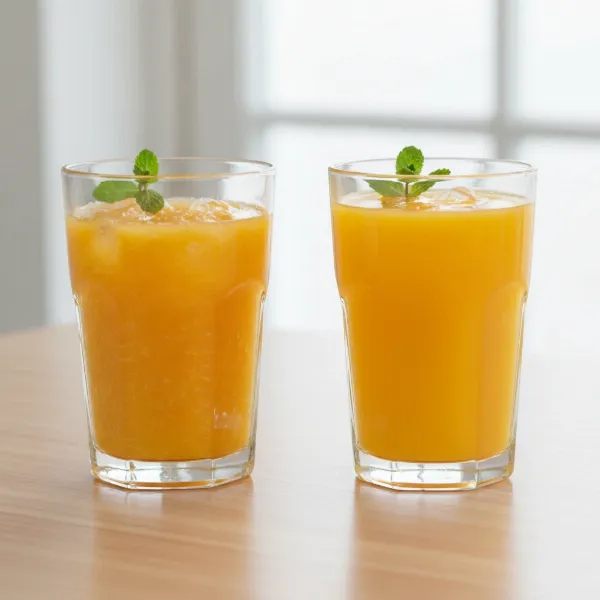 Visual comparison of two glasses of fresh juice, one with pulp, one smooth and clear.
Types of Juicers and Their Approach to Pulp
The type of juicer you choose is the most critical factor in controlling pulp levels. Each mechanism has a distinct way of extracting juice and managing the leftover fibrous material.
Masticating (Slow/Cold Press) Juicers
Masticating juicers, often called slow juicers or cold-press juicers, operate by slowly crushing and pressing fruits and vegetables using a powerful auger. This gentle, low-speed process extracts juice efficiently, minimizing heat buildup and oxidation.
- Pulp Outcome: These juicers are renowned for producing very dry pulp and a higher yield of juice. The slow squeezing action often results in juice with minimal fine pulp, giving it a smoother consistency compared to centrifugal models. Many masticating juicers come equipped with interchangeable screens – typically a fine mesh for less pulp and a coarser screen for those who prefer more body in their juice. This built-in versatility makes them excellent for pulp control.
- Pros: They excel at extracting juice from leafy greens, wheatgrass, and hard vegetables. The juice retains more nutrients due to less oxidation and typically has a longer shelf life. They operate quietly and are highly efficient.
- Cons: Masticating juicers are generally slower, requiring more prep time as ingredients often need to be cut into smaller pieces to fit the typically narrower feed chutes. They also tend to be more expensive than centrifugal models.
Centrifugal Juicers
Centrifugal juicers are the workhorses of the juicing world, recognized for their speed and convenience. They operate by shredding produce with a high-speed spinning blade and then using centrifugal force to separate the juice from the pulp, which is flung into a separate container.
- Pulp Outcome: Due to their high-speed operation, centrifugal juicers often produce juice with more foam and a noticeable amount of fine pulp. While they separate a significant portion of the pulp into a collection bin, some always makes its way into the juice. Achieving a truly “no-pulp” result with a centrifugal juicer usually requires additional straining after juicing.
- Pros: They are exceptionally fast, making them ideal for quick morning juices. Their wide feed chutes often mean less pre-chopping of ingredients, saving time. They are generally more affordable, making them a good entry-level option.
- Cons: The high speed generates heat and incorporates more oxygen into the juice, which can lead to faster oxidation, a shorter shelf life, and potentially a less vibrant flavor. They are also considerably louder than masticating juicers and may not be as efficient at juicing leafy greens or very soft fruits.
Citrus Juicers (Manual and Electric)
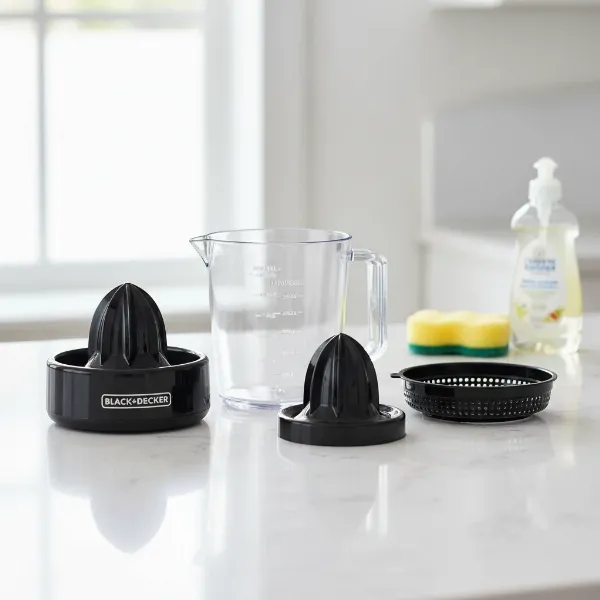
Designed specifically for oranges, lemons, limes, and grapefruits, citrus juicers simplify the process of making fresh citrus juice. These come in manual press forms or electric reaming models.
- Pulp Outcome: Pulp control varies widely among citrus juicers. Many electric models offer adjustable pulp filters or different reamer designs that allow users to choose between more or less pulp. Manual presses often have a built-in strainer that separates most of the seeds and larger pulp pieces, leaving a moderate amount of fine pulp.
- Pros: Simple to use, efficient for citrus fruits, and typically easy to clean.
- Cons: Limited in versatility, as they are not designed for juicing other fruits or vegetables.
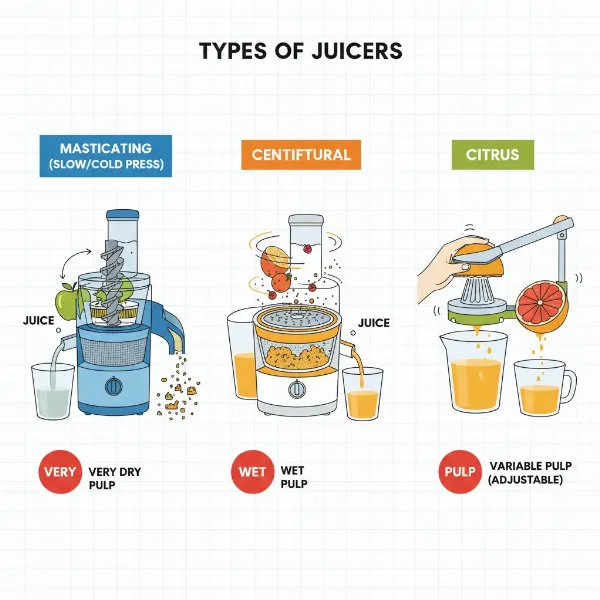 Diagram illustrating how masticating, centrifugal, and citrus juicers process pulp.
Key Features for Ultimate Pulp Control
Beyond the basic type of juicer, specific design elements contribute significantly to your ability to customize pulp levels.
- Interchangeable Strainers/Filters: This is arguably the most common and effective feature for pulp control. Many high-quality masticating juicers come with multiple screens: a fine mesh screen for virtually pulp-free juice and a coarser screen that allows more fiber to pass through, creating a thicker, richer juice. Some centrifugal juicers also offer different filter sizes, but this is less common.
- Adjustable Pulp Levers or Settings: Advanced juicers, particularly some masticating and specialized citrus models, include mechanical levers or digital settings that allow you to adjust the pressure or gap through which the pulp exits. This provides a direct and precise way to fine-tune the amount of pulp in your juice.
- Auger and Screen Design: The specific design of a masticating juicer’s auger and the precision engineering of its screen play a huge role. An efficient auger will thoroughly press produce, while a well-designed screen will separate pulp effectively, contributing to consistency and ease of cleaning.
- Anti-Clog Filters: Features like “anti-clog” filters, often found in cold press juicers, are designed to prevent pulp buildup, which can improve juice flow and help maintain a consistent pulp level throughout the juicing process.
Choosing Your Perfect Juicer: Factors Beyond Pulp
While pulp control is central to your decision, a holistic approach considers several other factors to ensure you choose the best juicer for your lifestyle.
- Your Pulp Preference: This is the foundational question. Do you prefer your juice totally smooth, with a little body, or loaded with fiber? Masticating juicers generally offer the most control for varying pulp levels, while centrifugal juicers lean towards more pulp by default.
- Types of Produce You’ll Juice: If leafy greens and hard root vegetables are staples in your diet, a masticating juicer is superior for extraction and pulp management. For mostly soft fruits and watery vegetables, either type can work, but consider the pulp output.
- Frequency of Use: If you’re a daily juicer with limited time, the speed of a centrifugal juicer might appeal, even if it means slightly more pulp or a quick post-juice strain. For less frequent, more intentional juicing sessions, the slower masticating process and superior pulp control may be worth the extra time.
- Budget: Juicers range widely in price. Centrifugal models are typically more budget-friendly, while masticating juicers often represent a greater initial investment. Consider your long-term juicing commitment when setting your budget.
- Noise Level: Masticating juicers are significantly quieter, a crucial factor if you juice in the early morning or in shared living spaces. Centrifugal juicers can be quite loud.
- Ease of Cleaning: Pulp management inevitably leads to cleaning. Look for models with dishwasher-safe parts, few components, and included cleaning brushes to make the process as hassle-free as possible. Juicers with large pulp containers can also reduce the frequency of emptying.
- Footprint/Size: Consider your countertop space and storage availability. Some high-end juicers can be bulky, while compact models are ideal for smaller kitchens.
Top Juicers Offering Excellent Pulp Control
Many reputable brands offer juicers with impressive pulp management capabilities. Here are examples of types and features to look for:
- Nama J2 Cold Press Juicer: Highly praised for its efficiency and dry pulp output, often requiring minimal post-straining for smooth juice. It’s a popular choice for serious juicers.
- Kuvings Whole Slow Juicers (e.g., REVO830W): These masticating juicers are known for their high yield and typically produce juice with very fine pulp. Some models may offer different strainers for varied textures.
- Hurom H320 Slow Juicer: Features customizable pulp control with both fine and coarse strainers, allowing users to tailor their juice consistency precisely. Its self-feeding hopper also makes it convenient for batch juicing.
- Ninja NeverClog Cold Press Juicer (JC151): This model specifically highlights its “total pulp control” feature, offering two interchangeable pulp filters to customize your juice from silky smooth to rich with texture.
- Omega Masticating Juicers (e.g., Omega J8006, JC2022GY11): Often recommended for their ability to extract a lot of juice from produce, leaving a very dry pulp. While they typically don’t have adjustable strainers, the resulting juice tends to be quite smooth.
- KitchenAid Cordless Citrus Juicer: For citrus-specific needs, this juicer offers “different pulp levels,” allowing you to personalize your orange or grapefruit juice.
When researching specific models, pay close attention to user reviews regarding pulp consistency and ease of cleaning, as these provide real-world insights into a juicer’s performance.
Tips for Customizing Your Juice’s Pulp Level
Even without advanced features, you can influence the amount of pulp in your juice:
- Use the Right Strainer: If your masticating juicer came with multiple screens, experiment with both the fine and coarse options to discover your preferred texture.
- Double Strain for Less Pulp: For an ultra-smooth, pulp-free experience, pour your freshly made juice through a fine-mesh sieve, nut milk bag, or cheesecloth after it comes out of the juicer. This extra step will catch any remaining fine particles.
- Add Pulp Back In for More Fiber: If your juicer separates pulp entirely, you can always spoon a small amount of the dry pulp back into your juice to boost its fiber content and texture. Start with a small amount and adjust to taste.
- Consider Produce Choice: Softer fruits like berries and ripe tomatoes tend to produce more pulp than harder fruits like apples or crisp vegetables. Adjust your straining method accordingly.
- Prep Produce Mindfully: For citrus, you might remove more of the white pith (albedo) for less bitterness and less fibrous material.
Maintaining Your Juicer for Consistent Performance
Proper maintenance is crucial for any juicer, especially when dealing with pulp. Residue can accumulate and affect performance if not cleaned regularly.
- Immediate Cleaning: The golden rule of juicing is to clean your machine immediately after use. Pulp is easiest to remove when wet.
- Disassemble Thoroughly: Take apart all removable components, especially the auger, screen, and pulp chute, and rinse them under running water.
- Use the Cleaning Brush: Most juicers come with a specialized brush designed to clear pulp from the fine mesh screen, which is often the most challenging part to clean. Don’t skip this step!
- Dishwasher-Safe Parts: If your juicer has dishwasher-safe parts, take advantage of this convenience, but always check the manufacturer’s instructions.
- Prevent Blockages: Regular and thorough cleaning helps prevent pulp from drying and hardening within the juicer, which can lead to blockages and decreased efficiency over time.
Where to Find Your Ideal Juicer
Juicers are available at a wide range of retailers, both online and in brick-and-mortar stores. Reputable online marketplaces and appliance stores offer extensive selections, often with detailed product descriptions and customer reviews that can be invaluable in your decision-making process. Specialized kitchenware stores might also offer expert advice. When purchasing online, always review the return policy and warranty information to ensure peace of mind.
Conclusion
The journey to finding your ideal juicer is a personal one, deeply intertwined with your preference for pulp. Understanding the fundamental differences between masticating, centrifugal, and citrus juicers, along with their unique approaches to pulp management, is key to making an informed choice. Whether you prioritize fiber-rich, textured drinks or crave crystal-clear, smooth sips, the perfect juicer is out there. By considering factors like pulp control features, the types of produce you’ll use, and your lifestyle needs, you can select a machine that not only meets your expectations but enhances your daily wellness routine. Ready to take control of your juice and savor every sip, exactly the way you like it?
Frequently Asked Questions
Can I add pulp back into my juice if I want more fiber?
Yes, absolutely! If your juicer separates the pulp cleanly, you can easily reincorporate a desired amount back into your juice to boost its fiber content and add texture. Start with a small spoonful and mix well to find your preferred consistency.
Are masticating juicers always pulp-free?
While masticating juicers generally produce less pulp and a smoother juice than centrifugal models, they are not always 100% pulp-free by default. They often include interchangeable fine and coarse strainers to allow users to choose their desired pulp level. For an absolutely pulp-free result, an additional straining step with a fine-mesh sieve might be necessary.
How do I clean a juicer with lots of pulp efficiently?
The most efficient way to clean a juicer, especially after processing pulp-heavy ingredients, is immediately after use. Disassemble all removable parts and rinse them thoroughly under running water. Use the cleaning brush (usually provided with the juicer) to scrub the fine mesh screen where pulp tends to accumulate.
Is pulp-free juice less healthy than juice with pulp?
Pulp-free juice is not necessarily “less healthy” but does contain less dietary fiber than its pulpy counterpart. While fiber is beneficial for digestion and satiety, pulp-free juice still provides a concentrated dose of vitamins, minerals, and antioxidants. The overall health benefits depend on your diet and preferences.
What fruits and vegetables tend to produce the most pulp?
Fruits and vegetables with a naturally high fiber content or a softer, more fibrous flesh tend to produce more pulp. Examples include oranges, apples, pineapples, carrots, ginger, and leafy greens. Harder, watery fruits like cucumber generally yield less pulp.