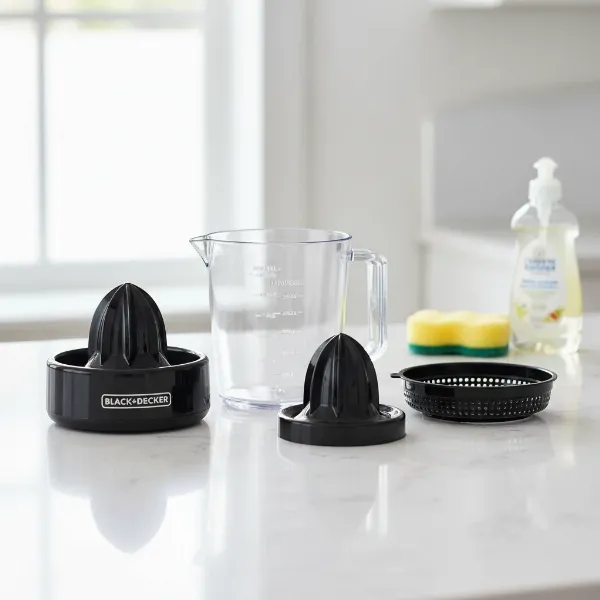
The quest for fresh, vibrant juice often leads enthusiasts to a crucial decision: which type of juicer is best suited for their needs? When it comes to extracting the delicious essence of citrus fruits, two primary contenders emerge—masticating juicers and reamer juicers. Understanding the fundamental difference between masticating and reamer juicers is key to unlocking the full potential of your produce and ensuring your kitchen appliance truly serves your lifestyle. This article will demystify these distinct juicing technologies, guiding you through their mechanisms, benefits, and considerations so you can confidently select the ideal juicer for your home.
Understanding the Core Mechanics: Masticating vs. Reamer Juicers
Table is empty.To appreciate the nuances, it’s vital to grasp how each juicer type operates. Their design dictates everything from the types of produce they can handle to the quality and yield of the juice produced.
What is a Masticating Juicer?
Masticating juicers, often referred to as “slow juicers” or “cold press juicers,” utilize a gentle, two-stage process. Instead of high-speed blades, they employ a single or twin auger (a spiral-shaped gear) that slowly crushes and presses fruits and vegetables against a fine mesh screen. This method mimics a chewing action, hence the name “masticating.” The slow rotation minimizes heat buildup and air exposure, which are primary causes of oxidation and nutrient degradation. As a result, masticating juicers are renowned for producing high-quality juice with a rich nutritional profile and longer shelf life.
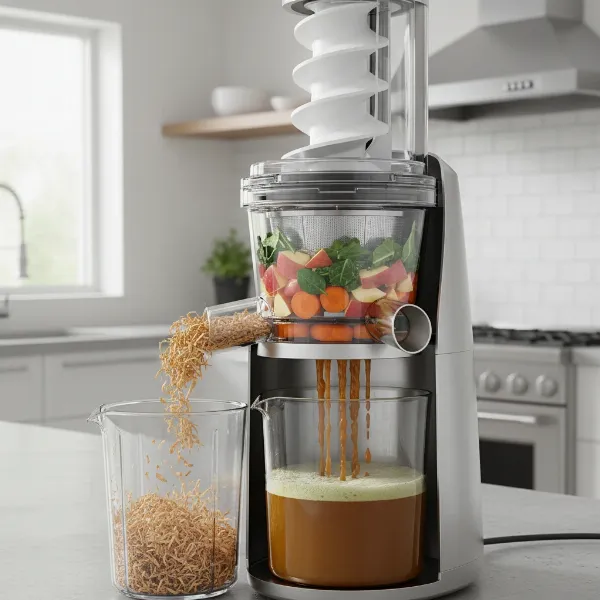 A masticating juicer auger slowly crushing fruits and vegetables for nutrient-rich, cold-pressed juice.
What is a Reamer Juicer?
Reamer juicers, sometimes simply called “citrus juicers” or “citrus presses,” are specialists in their field. Their design is singularly focused on extracting juice from citrus fruits like oranges, lemons, limes, and grapefruits. They feature a cone-shaped reamer that spins (in electric models) or is manually twisted into a halved citrus fruit. The reamer works to break down the fruit’s pulp and fibers, releasing the juice while separating it from seeds and rind. These juicers are a go-to for anyone desiring quick, effortless fresh citrus juice.
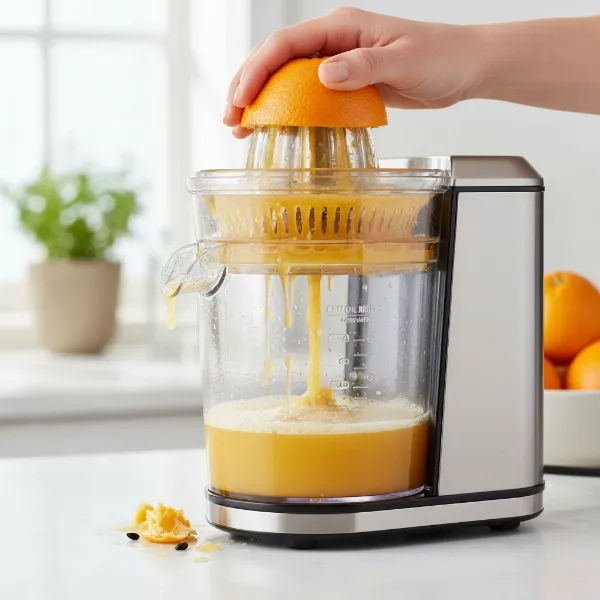 An electric reamer juicer extracting juice from a halved orange, separating pulp and seeds.
Key Differences: A Head-to-Head Comparison
While both types excel at extracting juice, their methodologies lead to distinct outcomes in performance, versatility, and juice characteristics.
Mechanism of Action
The most significant distinction lies in their juicing mechanism. Masticating juicers use a crushing and pressing action via an auger, slowly squeezing juice from produce. Reamer juicers, on the other hand, employ a reaming cone that grinds into halved citrus to release its liquid content. This fundamental difference dictates their suitability for various ingredients.
Versatility
Masticating juicers are the workhorses of the juicing world. Their slow-press technology allows them to process a wide array of ingredients, including hard vegetables like carrots and beets, soft fruits such as berries, and especially leafy greens like spinach, kale, and wheatgrass. Some even come with attachments for making nut butters, pasta, or frozen desserts. Reamer juicers, by contrast, are hyper-specialized. They are exclusively designed for citrus fruits and cannot effectively process other types of produce. If your juicing ambitions extend beyond oranges and lemons, a reamer juicer will fall short.
Juice Quality & Yield
Due to their slow, low-heat operation, masticating juicers produce juice with minimal oxidation. This means the juice retains more vitamins, minerals, and enzymes, often resulting in a richer color and flavor, and a longer storage life (typically up to 72 hours). They are also known for their high yield, extracting a significant amount of juice even from leafy greens, leaving behind a very dry pulp. Reamer juicers deliver excellent quality juice for citrus. They efficiently separate the juice from the pulp and seeds, providing a pure citrus experience. While efficient for citrus, they don’t offer the same nutritional preservation advantages over masticating juicers due to a different extraction process that can introduce more air. Their “yield” is optimized for citrus fruits specifically.
Speed
If speed is a top priority for your morning glass of orange juice, a reamer juicer might be your preference. Electric reamer juicers can quickly extract juice from several citrus halves in mere seconds. Masticating juicers operate at a much slower pace. The “slow” in slow juicer is deliberate, enhancing juice quality, but it means the overall juicing process takes longer, especially with larger quantities or tougher ingredients.
Noise Level
Masticating juicers are generally quieter in operation compared to many other juicer types. Their slow-moving motor and gears produce a low hum. Reamer juicers are also relatively quiet, especially manual ones. Electric reamer juicers produce a low whirring sound, but are far less disruptive than high-speed centrifugal models.
Preparation & Cleanup
With masticating juicers, you’ll typically need to chop fruits and vegetables into smaller pieces to fit the feeding chute and assist the auger. Cleanup involves washing several components, including the auger, screen, and pulp container. While not overly complex, it generally involves more parts than a reamer juicer. For reamer juicers, preparation is minimal—simply cut your citrus fruits in half. Cleanup is often simpler, usually involving just the reamer cone and juice collector, many of which are dishwasher-safe.
Cost
Masticating juicers, especially high-quality models, generally represent a greater initial investment due to their more complex engineering and versatile capabilities. Reamer juicers, on the other hand, are often more budget-friendly, reflecting their simpler design and specialized function.
Choosing the Right Citrus Juicer for Your Needs
The “best” juicer isn’t universal; it depends entirely on your juicing habits and desired outcomes. Consider the following factors:
- Frequency of Use: If you regularly consume fresh citrus juice daily, an electric reamer offers unmatched convenience. For occasional juice or a wider variety, a masticating juicer provides more flexibility.
- Types of Produce: Are you solely interested in citrus? A reamer is perfect. If you envision juicing leafy greens, hard vegetables, or a mix of fruits, a masticating juicer is the clear choice.
- Desired Juice Quality: For maximum nutrient preservation and a longer-lasting juice, the cold-press method of a masticating juicer is superior. For quick, fresh-tasting citrus juice that will be consumed immediately, a reamer is perfectly adequate.
- Budget: Determine how much you’re willing to invest. Reamer juicers are an economical entry point for citrus, while masticating juicers are a longer-term investment in versatile juicing.
- Kitchen Space & Convenience: Consider the footprint of the juicer on your countertop and the ease of assembly, disassembly, and storage. Reamer juicers tend to be more compact.
Top Considerations for Both Juicer Types
Regardless of which type you lean towards, certain features contribute to a better juicing experience:
- Power and Speed (for electric models): For masticating juicers, look for adequate motor power to handle tough ingredients without stalling. For reamer juicers, efficient spinning is key to quick extraction.
- Materials and Durability: Opt for BPA-free plastics and, where possible, stainless steel components for longevity and safety.
- Ease of Cleaning: Juicers with fewer parts or dishwasher-safe components will significantly enhance your experience and encourage more frequent use.
- Safety Features: Look for stable designs and safety interlocks that prevent the juicer from operating if not assembled correctly.
- Brand Reputation and Warranty: Reputable brands often indicate reliable products and better customer support. A good warranty offers peace of mind.
Masticating Juicers and Citrus: A Closer Look
While reamer juicers are designed exclusively for citrus, masticating juicers can also produce excellent citrus juice. To juice citrus in a masticating juicer, you’ll typically need to peel the fruit to remove the bitter rind and then cut it into manageable pieces to fit the chute. The benefits of using a masticating juicer for citrus include the same cold-press advantages: reduced oxidation and a potentially higher concentration of heat-sensitive nutrients and enzymes compared to reamer juicers, especially if the reamer’s friction generates any heat. The pulp from citrus in a masticating juicer will also be very dry, indicating efficient extraction.
Reamer Juicers: The Dedicated Citrus Solution
Reamer juicers are the epitome of simplicity and efficiency when it comes to citrus. They come in both manual and electric versions. Manual reamers are often simple glass or plastic cones that require arm power, perfect for a single glass of juice. Electric reamers feature a motorized reaming cone that takes the effort out of juicing, often with pressure-activated starting. These are ideal for making larger batches of orange juice for the family or for use in cocktails and recipes. When choosing a reamer juicer, look for a powerful motor (for electric), a sturdy build, and a well-designed reaming cone that extracts maximum juice.
Usage and Maintenance Tips for Optimal Performance
To extend the lifespan of your juicer and ensure consistent performance, follow these general tips:
- Proper Feeding Techniques: For masticating juicers, feed ingredients slowly and allow the auger to process them fully. For reamer juicers, apply gentle, even pressure to the halved fruit.
- Regular Cleaning: Clean your juicer immediately after each use. This prevents pulp from drying and hardening, making cleanup significantly easier. Most parts can be rinsed under running water.
- Storage: Store your juicer in a clean, dry place. If space is an issue, consider models that are easy to disassemble and store compactly.
- Troubleshooting Common Issues: Refer to your manual for specific troubleshooting. Common issues include motor jams (for masticating, due to large pieces) or insufficient juice extraction (for reamers, due to old fruit or improper pressure).
Where to Buy Your Ideal Citrus Juicer
You can find masticating and reamer juicers at a variety of retailers. Major online marketplaces often offer a wide selection with customer reviews that can be helpful. Specialty kitchen appliance stores may also carry a range of models and offer expert advice. When purchasing, especially online, always verify the seller’s reputation and return policy to ensure you’re getting an authentic product with proper warranty support.
Conclusion
Navigating the world of juicers for your citrus needs boils down to understanding the distinct advantages each type offers. Masticating juicers provide superior juice quality, versatility across a wide range of produce, and nutrient preservation, making them an excellent all-around investment for the health-conscious. Reamer juicers, while specialized, offer unparalleled speed and convenience for those whose primary focus is fresh citrus juice. Your ultimate choice depends on your specific lifestyle, juicing habits, and priorities. By weighing the difference between masticating and reamer juicers, you can make an informed decision that brings the joy of fresh, homemade juice into your daily routine. Which juicer will you choose to embark on your fresh juice journey?
Frequently Asked Questions
Can a masticating juicer replace a reamer juicer for citrus?
Yes, a masticating juicer can effectively juice citrus fruits, often producing a higher quality, less oxidized juice due to its cold-press method. However, it typically requires peeling the citrus and cutting it into smaller pieces, making the process less quick and convenient than a dedicated reamer juicer, especially for large quantities of citrus.
Do reamer juicers preserve nutrients as well as masticating juicers?
Reamer juicers are highly efficient at extracting juice from citrus, delivering a fresh and flavorful product. While they provide excellent citrus juice, masticating juicers are generally considered superior for nutrient preservation across a broader range of produce because their slow-press action minimizes heat and air exposure, which can degrade vitamins and enzymes.
Which type of juicer is better for beginners?
For beginners primarily interested in citrus juice, an electric reamer juicer is often the easiest to use due to its simple operation and minimal preparation. If a beginner wants to explore juicing a variety of fruits and vegetables beyond citrus and prioritize nutrient quality, a masticating juicer, while requiring a bit more prep and cleanup, is a more versatile and beneficial long-term choice.
Are manual reamer juicers worth it?
Manual reamer juicers are an affordable and compact option, perfect for making a single glass of fresh citrus juice quickly without needing electricity. They are definitely worth it for those with limited space, a tight budget, or who only occasionally need to juice citrus. However, for larger quantities or daily use, an electric reamer or masticating juicer offers more convenience.
What’s the best way to clean a masticating juicer?
The best way to clean a masticating juicer is immediately after use. Disassemble all removable parts and rinse them thoroughly under warm running water. Use the small brush often provided with the juicer to clean the mesh screen, as pulp can easily get stuck there. Most parts are not usually dishwasher safe, so handwashing is recommended to preserve their lifespan.