Starting your day with a glass of freshly squeezed citrus juice is a simple pleasure, invigorating and packed with essential vitamins. But achieving that perfect pour often hinges on having the right tool for the job. From zesty lemons and tangy limes to sweet oranges and bitter grapefruits, a quality citrus juicer can transform your morning routine, cocktail hour, or culinary creations. With countless models flooding the market, each promising the best yield and easiest experience, finding the ideal one can feel overwhelming. This comprehensive guide cuts through the clutter, offering detailed reviews and expert insights to help you discover the perfect citrus juicer that meets your specific needs and brings a burst of freshness to your home.
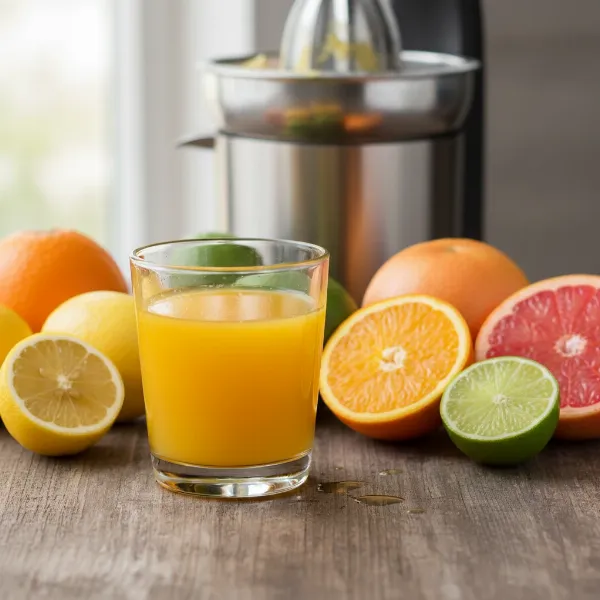 A glass of freshly squeezed orange juice next to various vibrant citrus fruits and a juicer.
Understanding the Types of Citrus Juicers
Before diving into specific models, it’s helpful to understand the different categories of citrus juicers available. Each type offers distinct advantages and disadvantages, making certain models better suited for particular users and uses.
Manual Citrus Juicers
Manual juicers are the simplest and most traditional way to extract juice. They come in various forms, primarily handheld squeezers and manual presses.
- Handheld Squeezers: These small, often brightly colored tools are perfect for juicing individual lemons or limes directly into a glass or dish. They typically feature a cup for the fruit half and a mechanism to press it down.
- Pros: Extremely affordable, portable, no electricity needed, quiet, very easy to clean.
- Cons: Require significant hand strength, not efficient for large quantities, primarily for smaller citrus.
- Manual Presses (Lever-Action): These larger, often heavy-duty juicers use a lever mechanism to press the fruit onto a reamer or directly crush it.
- Pros: High juice yield with minimal effort, durable construction (often cast iron or stainless steel), very stable.
- Cons: More expensive than handheld, can be bulky, manual effort still required for repeated use.
Electric Reamer Juicers
Electric reamer juicers feature a motorized cone that rotates to extract juice when a citrus half is pressed down upon it. They are a popular choice for everyday home use due to their convenience.
- Pros: Less effort required than manual options, efficient for moderate quantities, often include pulp control settings, relatively compact and affordable.
- Cons: Can be noisy, some models lack power for harder or very large citrus, mostly made of plastic parts that can stain or wear over time.
Electric Press Juicers
Combining the power of an electric motor with the leverage of a press, these juicers offer the best of both worlds for serious juicers. They typically feature a motorized reamer covered by a pressing arm.
- Pros: Very powerful and efficient, high juice yield with minimal mess, easy on the hands, durable construction, often quieter than electric reamers.
- Cons: Most expensive type, larger footprint, can be heavier.
How to Choose the Best Citrus Juicer
Selecting the right citrus juicer involves considering your personal juicing habits and preferences. Think about these key factors to make an informed decision.
Identify Your Needs
- Usage Frequency: Do you need fresh juice daily, or just occasionally for recipes or cocktails? Daily users will benefit from durable, efficient electric models, while occasional juicers might prefer a simple manual option.
- Quantity of Juice: Are you juicing a single lemon for a recipe, or preparing a pitcher of orange juice for the family? High-volume needs call for powerful electric press juicers, while small batches are fine with manual or basic electric reamers.
- Type of Citrus: If you primarily juice small fruits like lemons and limes, a compact manual squeezer might suffice. For oranges and grapefruits, a larger reamer or press with multiple cone sizes is essential.
Key Factors to Consider
- Power and Efficiency: For electric models, wattage indicates power. Higher wattage generally means a more efficient and faster juicing process, especially for firmer citrus. Manual models rely on design for leverage.
- Material and Durability: Stainless steel and die-cast aluminum offer superior durability and are easier to clean. BPA-free plastics are lighter and more affordable but may not last as long or be as resistant to staining.
- Ease of Cleaning: Juicing can be messy. Look for models with removable, dishwasher-safe parts. Fewer components often mean quicker cleanup.
- Pulp Control: Many electric models offer adjustable pulp settings, allowing you to customize your juice from pulp-free to extra pulpy.
- Size and Design: Consider your kitchen counter space and storage availability. Some juicers are sleek and compact, while others are large and robust. Design can also be a factor if aesthetics are important.
- Safety Features: A secure lid, non-slip base, and automatic shut-off features are important for safety, especially with powerful electric models.
- Price and Brand: Prices vary widely. Set a budget and research reputable brands known for quality and customer service. Investing a bit more in a well-regarded brand can pay off in longevity and performance.
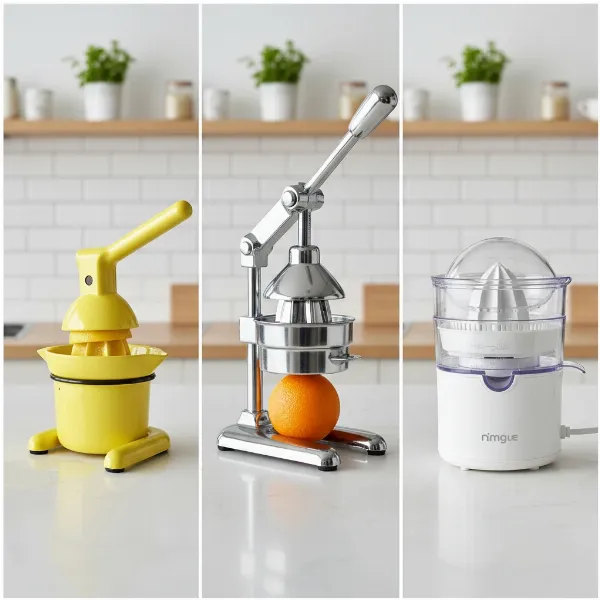 Collage displaying various citrus juicer types: manual handheld, manual press, and electric reamer models.
Top 10 Best Citrus Juicers of 2026
Here are our top picks for citrus juicers in 2026, offering a range of options to suit every need and budget.
1. Breville Citrus Press Pro 800CPXL (Electric Press)
Often hailed as the king of citrus juicers, the Breville Citrus Press Pro is a powerhouse designed for serious juicers. Its powerful motor and unique quadra-fin cone efficiently extract juice from all citrus sizes, from tiny limes to large grapefruits.
- Pros: Exceptional juice yield, extremely durable die-cast stainless steel construction, quiet operation, active-arm pressing for effortless juicing, drip-stop spout, easy to clean.
- Cons: High price point, large footprint.
- Best for: Daily juicing, large families, entertaining, those seeking commercial-grade performance at home.
2. Cuisinart CCJ-500 Pulp Control Citrus Juicer (Electric Reamer)
A popular and highly-rated option for its balance of performance and affordability, the Cuisinart CCJ-500 is a fantastic everyday juicer. It features an auto-reversing cone and adjustable pulp control.
- Pros: Very affordable, effective pulp control settings, auto-reversing feature for maximum extraction, easy-to-clean removable parts, drip-free spout.
- Cons: Primarily plastic construction, can be a bit noisy, best for moderate use.
- Best for: Everyday home use, budget-conscious buyers, those who value pulp control.
3. Smeg CJF01 Citrus Juicer (Electric Reamer)
For those who prioritize aesthetics as much as performance, the Smeg CJF01 delivers. With its iconic retro design and robust build, it makes a statement on any countertop while delivering excellent juice.
- Pros: Stunning vintage design, powerful motor, durable stainless steel reamer and strainer, quiet operation, anti-drip spout, high-quality materials.
- Cons: Premium price for its capacity, not ideal for very large quantities.
- Best for: Design-conscious users, light to moderate juicing, small kitchens.
4. Zulay Lemon Squeezer (Manual Handheld)
When you just need a quick squeeze of lemon or lime, the Zulay Lemon Squeezer is an unbeatable classic. Made from heavy-duty stainless steel, it’s built to last.
- Pros: Extremely durable, highly efficient for small citrus, very affordable, no-mess design, easy to clean.
- Cons: Requires manual effort, only suitable for lemons and limes, not for large batches.
- Best for: Cocktails, cooking, small quantities, budget-friendly option.
5. Tribest CitriStar C-2000 (Electric Reamer)
The Tribest CitriStar C-2000 is renowned for its speed and efficiency. Its patented “X-tracter” design ensures maximum juice extraction with minimal effort, making it a favorite among health enthusiasts.
- Pros: Very fast and efficient, quiet induction motor, unique reamer design for high yield, suitable for all citrus sizes, durable construction.
- Cons: A bit larger than some reamers, higher price point for an electric reamer.
- Best for: Health-conscious individuals, those who juice frequently and prioritize speed and yield.
6. OXO Good Grips 2-in-1 Citrus Juicer (Manual)
OXO is known for smart, user-friendly kitchen tools, and their 2-in-1 Citrus Juicer is no exception. This manual reamer cleverly features two sizes for different citrus, making it versatile for small-batch juicing.
- Pros: Clever dual-reamer design for small and large citrus, integrated measuring cup, non-slip base, affordable, easy to clean, BPA-free.
- Cons: Manual effort required, not ideal for large quantities.
- Best for: Occasional juicing, small kitchens, budget-friendly manual option.
7. Hamilton Beach 96700 Commercial Citrus Juicer (Manual Press)
For those needing a truly heavy-duty solution, the Hamilton Beach Commercial Juicer delivers. This manual press is built like a tank, designed for continuous, high-volume juicing.
- Pros: Extremely durable cast-iron and stainless steel construction, exceptional leverage for effortless pressing, high juice yield, quiet, very stable.
- Cons: Very expensive, large and heavy, purely manual.
- Best for: Small cafes, juice bars, very high-volume home use, durability seekers.
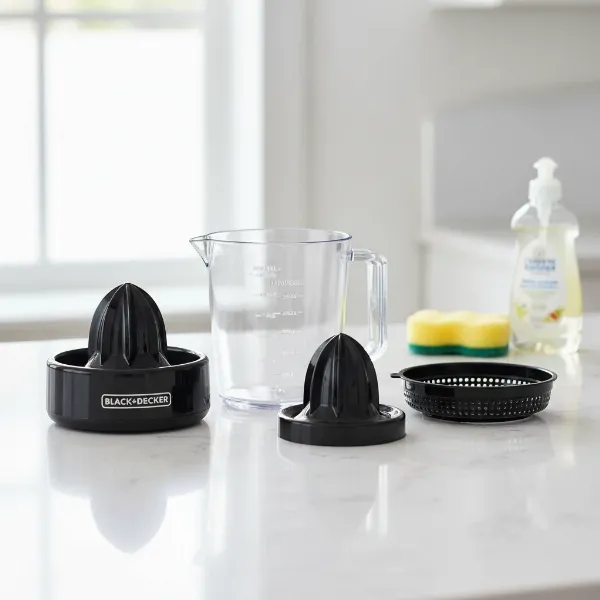
8. Black+Decker Citrus Juicer (CJ625) (Electric Reamer)
A straightforward and dependable choice, the Black+Decker CJ625 is an excellent entry-level electric juicer. It’s perfect for those who want convenience without breaking the bank.
- Pros: Very affordable, 34-ounce capacity pitcher, auto-reversing cone, adjustable pulp control, two reamer sizes, cord storage.
- Cons: Predominantly plastic construction, not as powerful or durable as higher-end models.
- Best for: First-time electric juicer buyers, occasional home use, budget-conscious users.
9. Chef’n FreshForce Citrus Juicer (Manual Handheld)
The Chef’n FreshForce stands out among handheld juicers with its innovative geared mechanism, which significantly amplifies squeezing power, reducing the effort needed to extract juice.
- Pros: Patented gear mechanism reduces effort by 20%, comfortable handles, durable nylon and stainless steel construction, easy to clean.
- Cons: Best for lemons and limes, can be a bit bulkier than traditional handheld squeezers.
- Best for: Anyone needing an easy-to-use manual squeezer for small citrus, those with hand strength concerns.
10. Proctor Silex Alex’s Lemonade Stand Citrus Juicer (66331F) (Electric Reamer)
If absolute affordability is your top priority, the Proctor Silex juicer is hard to beat. It’s a simple, no-frills electric reamer that gets the job done for occasional light use.
- Pros: Extremely inexpensive, very compact, two reamer sizes included, easy to operate.
- Cons: Minimal power, less durable for frequent use, plastic construction.
- Best for: Very light, occasional juicing, budget-conscious users, children’s lemonade stands.
Tips for Using and Maintaining Your Citrus Juicer
To get the most out of your citrus juicer and ensure its longevity, follow these practical tips.
Maximizing Juice Yield
- Roll the Fruit: Before cutting, gently roll citrus fruits on a hard surface with the palm of your hand. This breaks down the internal membranes, releasing more juice.
- Warm the Fruit: Slightly warm citrus yields more juice. You can briefly microwave them (10-20 seconds) or let them sit at room temperature.
- Cut Properly: Always cut citrus in half across its equator, not lengthwise. This exposes more of the juicy flesh to the reamer.
- Proper Pressure: With electric reamers, apply firm but not excessive pressure. Let the reamer do the work. For manual presses, ensure the fruit is centered for optimal leverage.
Cleaning and Storage
- Clean Immediately: Citrus juice is acidic and can be sticky. Rinse or wash all removable parts immediately after use to prevent pulp from drying and staining.
- Dishwasher Safe: Many parts are dishwasher safe, but always check your manual. For plastic components, using the top rack is often recommended.
- Hand Washing: For delicate parts or if you prefer, wash with warm, soapy water and a soft brush to get into crevices.
- Dry Thoroughly: Ensure all components are completely dry before reassembling or storing to prevent mildew or odors.
- Store Properly: If your juicer is not a countertop staple, store it in a clean, dry place. Keep cords neatly wrapped if applicable.
Troubleshooting Common Issues
- Low Juice Yield: Ensure fruit is rolled and cut correctly. Check that the reamer is properly installed. For electric models, ensure enough pressure is applied.
- Motor Not Working (Electric): Check that the juicer is plugged in securely. Some models have safety features that prevent operation if not assembled correctly.
- Excessive Pulp: If you prefer pulp-free juice, ensure your pulp control settings (if available) are set to low pulp. A fine-mesh strainer can be used as an extra step.
Where to Buy Citrus Juicers
Once you’ve identified your ideal citrus juicer, the next step is finding a reputable place to purchase it.
- Online Retailers: Large online marketplaces like Amazon, Walmart, and Target offer a vast selection, competitive prices, and customer reviews. Specialty kitchen appliance sites (e.g., Williams Sonoma, Sur La Table, Wayfair) often carry higher-end brands and provide detailed product information.
- Brick-and-Mortar Stores: Department stores (like Macy’s or Kohl’s) and home goods stores (like Bed Bath & Beyond) allow you to see and feel the juicers in person. This can be helpful for assessing size and build quality.
- Manufacturer Websites: Buying directly from the brand can sometimes offer exclusive deals, full warranties, and direct customer support.
Tips for Buying Online
- Read Reviews: Pay close attention to recent customer reviews, noting common praise and complaints.
- Check Warranty: Always verify the warranty information and the return policy of the retailer.
- Compare Prices: Prices can vary, so shop around to ensure you’re getting the best deal.
- Look for Sales: Major shopping holidays (Black Friday, Prime Day) are great times to find discounts on kitchen appliances.
Conclusion
The world of citrus juicers offers a fantastic range of options, whether you’re a casual sipper or a dedicated juice enthusiast. From the simple elegance of a manual squeezer to the robust power of an electric press, there’s a perfect match for every kitchen and lifestyle. By considering your juicing frequency, the types of citrus you enjoy, and key features like material, cleaning ease, and power, you can confidently select a model that will serve you for years to come. Investing in a quality citrus juicer not only simplifies the process of enjoying fresh, vibrant juice but also encourages a healthier and more flavorful daily routine. Which citrus juicer will become your new kitchen essential?
Frequently Asked Questions
What’s the main difference between a citrus juicer and a regular juicer?
A citrus juicer is specifically designed for extracting juice from citrus fruits using a reamer or pressing mechanism, separating the pulp and seeds easily. Regular juicers (like centrifugal or masticating juicers) are multi-purpose, designed for a wider range of fruits and vegetables, often yielding more fibrous juice or requiring more complex cleaning.
Can I put limes in an orange juicer?
Yes, most citrus juicers designed for oranges can also handle limes, lemons, and even small grapefruits. Many electric models come with multiple reamer sizes to accommodate different fruit dimensions, ensuring efficient juice extraction from smaller and larger citrus alike.
How do I clean my citrus juicer properly?
For most citrus juicers, it’s best to disassemble the removable parts immediately after use and rinse them under warm water. Many parts are dishwasher-safe (check your manual), while others require hand washing with soapy water. Always dry thoroughly before storage to prevent residue buildup or odors.
Are manual citrus juicers effective for large batches?
Manual citrus juicers, especially handheld squeezers, are generally not ideal for large batches due to the physical effort required. Manual press juicers offer better leverage and are more suitable for moderate quantities, but for very large volumes, an electric juicer will be significantly more efficient and less labor-intensive.
What pulp settings are available on electric citrus juicers?
Many electric citrus juicers feature adjustable pulp control, often via a dial or interchangeable filters. This allows you to select your preferred level of pulp, ranging from virtually pulp-free to extra pulpy, catering to individual taste preferences for a smoother or more textured juice.