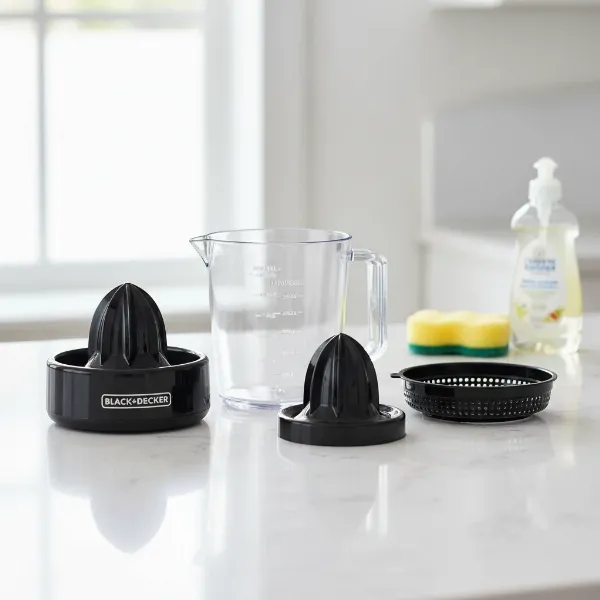
There’s nothing quite like the vibrant burst of fresh tangerine or mandarin juice to invigorate your day. These small, sweet citrus jewels are packed with flavor and nutrients, but their petite size and often delicate skin can sometimes make juicing feel like a daunting task. If you’ve ever found yourself wondering how to extract every last drop of that liquid sunshine, you’re in the right place. This comprehensive guide will walk you through selecting the perfect fruit, mastering various juicing techniques, maximizing your yield, and keeping your citrus juicer in top shape for endless enjoyment.
The Juicy Secrets: Preparing Your Tangerines and Mandarins
Before you even think about squeezing, a little preparation goes a long way in ensuring you get the best possible juice.
Choosing the Best Fruit for Juicing
The quality of your juice starts with the quality of your fruit. When selecting tangerines or small mandarins, look for those that are:
- Heavy for their size: This indicates a higher juice content.
- Glossy and firm with a slight give: Avoid any with soft spots, discoloration, or bruising, which can signal spoilage or damage.
- Fragrant: A fresh, zesty aroma is a strong indicator of ripeness and flavor. While a bright orange color is appealing, it’s not the sole determinant of quality; a heavy, aromatic fruit is usually the juiciest.
Pre-Juicing Preparation Techniques
Once you’ve selected your fruit, these simple steps can significantly boost your juice yield:
- Bring to Room Temperature: Cold citrus fruits are tighter and harder to juice. Letting them sit at room temperature for at least 30 minutes, or even a quick 10-15 second zap in the microwave, helps relax the fruit’s membranes, making them easier to extract juice from.
- Roll ‘Em Out: Before cutting, place each fruit on a hard surface, like your countertop, and roll it firmly under the palm of your hand for 10-15 seconds. This action breaks down the internal cell walls, releasing more juice.
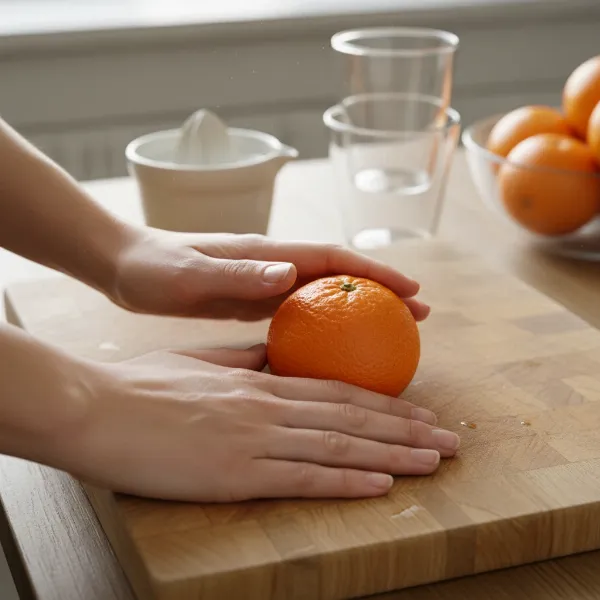 Hands rolling a tangerine on a cutting board, preparing it for juicing to maximize yield.
Types of Citrus Juicers: Finding Your Perfect Match
The world of citrus juicers offers a range of options, each with its own advantages. Choosing the right tool depends on your juicing frequency and the quantity of juice you need.
Manual Juicers: Handheld Squeezers and Reamers
- Handheld Citrus Squeezers (Presses): These are ideal for small amounts of juice, perfect for a single glass or adding to recipes.
- Pros: Affordable, compact, easy to clean.
- Cons: Can be tiring for large batches, may not extract all juice if not used correctly.
- Best for: Quick, individual servings or culinary needs.
- Citrus Reamers: These classic tools, either a simple cone or integrated into a manual juicer with a collection basin, are great for small to medium batches.
- Pros: Simple, effective for most citrus sizes, good control over pulp.
- Cons: Requires manual effort, can be messy.
- Best for: Regular home use for fresh juice.
Electric Juicers
Electric juicers are a game-changer for those who enjoy fresh juice frequently or in larger quantities.
- Pros: Effortless, fast, high yield, less strain on your hands.
- Cons: Can be more expensive, takes up counter space, requires more thorough cleaning of multiple parts.
- Best for: Daily juice drinkers, families, or anyone making large batches.
The Blender Method (No Juicer Needed)
Don’t have a dedicated juicer? No problem! Your blender can come to the rescue for delicious mandarin or tangerine juice.
- Pros: Utilizes existing kitchen equipment, can yield a thicker, pulpier juice.
- Cons: Requires peeling and straining, resulting in more cleanup.
- Best for: Occasional juicing, or if you prefer a pulpy consistency (before straining).
Step-by-Step Guide to Juicing Tangerines and Small Mandarins
Let’s dive into the practical steps for juicing with different tools.
General Cutting Techniques
For most manual and electric reamer-style juicers, the best approach is to cut the fruit in half. Some experts suggest cutting the fruit across its “equator” (meaning in between the stem and blossom ends, not through them) to maximize surface area for juicing.
Using a Handheld Squeezer or Press
- Cut the fruit: Halve your prepared tangerines or mandarins.
- Position the fruit: This is often counterintuitive! Place one half in the squeezer cut-side down, so the peel faces upward towards the curve of the squeezer. This prevents juice from splashing into your face and directs it downward.
- Squeeze: Using both hands, gently but firmly bring the handles together until all the juice is extracted. Avoid squeezing too aggressively to prevent bitter oils from the rind from being released.
- Repeat: Discard the squeezed half and repeat with the remaining fruit.
Using a Manual Reamer or Citrus Press
- Cut the fruit: Halve your prepared tangerines or mandarins.
- Position the fruit: Place one half, pulp-side down, onto the reamer cone.
- Ream: Press firmly and rotate the fruit on the reamer, twisting until all the juice is released. If your reamer has a collection bowl, the juice will gather there, often with a built-in strainer.
- Repeat: Continue with the rest of your fruit.
Using an Electric Juicer
- Cut the fruit: Halve your prepared tangerines or mandarins.
- Position and press: Place one half, pulp-side down, onto the rotating reamer cone. Apply gentle pressure, and the motor will do the work. The juice will flow into the collection container.
- Repeat: Continue until all fruit is juiced. Electric juicers are particularly efficient for processing larger quantities quickly.
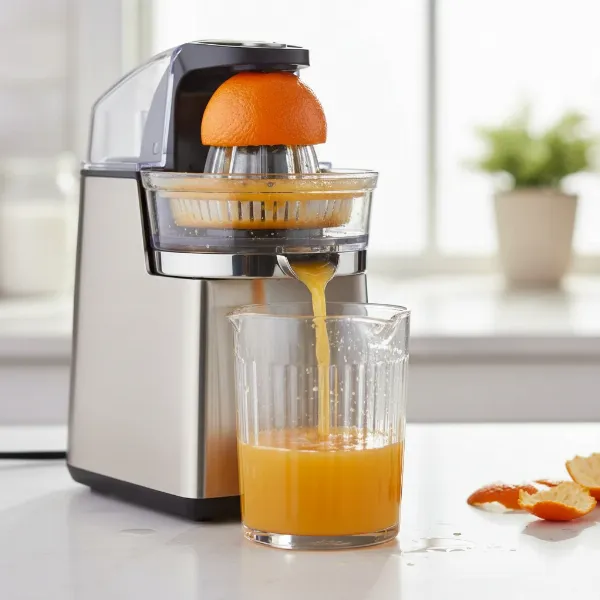 Electric citrus juicer extracting juice from a halved tangerine into a clear glass.
The Blender and Strainer Method
- Peel and prep: Thoroughly peel your tangerines or mandarins, removing as much of the white pith as possible, as it can impart a bitter taste. For a smoother juice, you may also remove any prominent seeds.
- Blend: Place the peeled segments into your blender. Add a small amount of water (about 1/4 to 1/2 cup per 4-5 tangerines) to help with blending. You can also add optional sugar or a squeeze of lemon juice here if desired for flavor balance.
- Process: Blend for 1-2 minutes until the fruit is fully pulverized and a liquid consistency is achieved.
- Strain: Place a fine-mesh sieve or cheesecloth over a bowl or pitcher. Pour the blended mixture through the sieve, using a spoon or spatula to gently press the pulp against the mesh to extract all the liquid. Be patient, as this can take a few minutes. If you prefer some pulp, you can be less rigorous with the pressing.
Maximizing Your Juice Yield and Flavor
Getting the most juice and the best taste from your small citrus fruits is a rewarding part of the process.
Tips for More Juice
Beyond bringing fruit to room temperature and rolling it, remember that perfectly ripe, heavy fruit will always yield more. Don’t be afraid to press firmly, especially with manual methods, but know when to stop to avoid bitterness.
Avoiding Bitterness
The bitter notes in citrus juice typically come from the pith (the white part under the peel) and the oils in the rind. When using a manual press or reamer, avoid grinding too hard into the peel itself. For blenders, meticulous peeling and pith removal are key.
Adjusting Taste and Dealing with Pulp
Tangerine and mandarin juice can be quite concentrated. Feel free to dilute it with water to your preferred strength. A squeeze of fresh lemon juice can brighten the flavor and add a touch of tartness, while a spoonful of sugar or honey can balance out any natural tartness.
When it comes to pulp, it’s a matter of personal preference. Fine-mesh strainers will give you a smooth, pulp-free juice, while a coarser strainer or less aggressive straining can leave you with a more textural experience.
“The true magic of citrus juicing lies not just in the tools you use, but in understanding your fruit and how to coax out its sweetest essence.”
Care and Storage: Keeping Your Juice Fresh and Your Juicer Pristine
Once you’ve made your delicious juice, proper handling ensures it stays fresh, and a clean juicer is ready for your next batch.
Storing Your Freshly Squeezed Juice
Fresh is always best, but you can certainly store your homemade tangerine or mandarin juice:
- Refrigeration: Store in an airtight container, preferably glass or opaque food-safe plastic, in the refrigerator for up to 2-3 days. Light exposure can degrade nutrients faster, so a darker container helps.
- Freezing: For longer storage, freeze the juice. Ice cube trays are excellent for portioning; once frozen, transfer the cubes to a freezer-safe bag. Frozen citrus juice can last for several months and is perfect for adding to smoothies or other beverages.
Cleaning Your Citrus Juicer
Keeping your juicer clean is crucial for hygiene and longevity.
- Manual Juicers: Most handheld squeezers and reamers are easy to rinse immediately after use. For a deeper clean, wash with warm, soapy water. Many are dishwasher safe, but check manufacturer instructions.
- Electric Juicers: Disassemble all removable parts immediately after juicing. Rinse off pulp and juice under running water, then wash with warm, soapy water. Use a small brush for hard-to-reach areas. Ensure all parts are completely dry before reassembling or storing. Regular cleaning prevents sticky residue buildup and extends the life of your appliance.
Conclusion
Embracing the world of freshly squeezed tangerine and mandarin juice is a delightful journey, offering a taste of sunshine in every glass. By understanding how to select the best fruit, utilizing the right juicing techniques—whether with a simple reamer, an efficient electric juicer, or even a basic blender setup—and applying smart preparation and storage tips, you’re well-equipped to enjoy this wholesome treat whenever you desire. The minimal effort truly pays off with a vibrant, nutrient-rich beverage that far surpasses store-bought alternatives. So, what delicious concoction will you create with your freshly squeezed juice today?
Frequently Asked Questions
What’s the difference between tangerines and mandarins for juicing?
Tangerines are a type of mandarin orange. Generally, mandarins (which include tangerines, clementines, and satsumas) are smaller, sweeter, and easier to peel than larger oranges. For juicing, they can be used interchangeably, though some tangerines might have a slightly more tart flavor than other mandarin varieties.
How much juice can I expect from one tangerine?
On average, one medium tangerine typically yields about 1/4 cup (or approximately 2 to 2.5 ounces) of fresh juice. This can vary based on the fruit’s ripeness, size, and the juicing method used.
Can I juice tangerines with the peel on?
It is generally not recommended to juice tangerines or mandarins with the peel on when using a blender, as the peel can impart a very bitter taste to the juice. For reamer-style juicers, you only juice the exposed pulp of the halved fruit, so the peel remains largely separate.
How do I make my tangerine juice less bitter?
To reduce bitterness, ensure you remove as much white pith as possible if using a blender. When using manual or electric juicers, avoid excessive pressure that grinds the peel into the pulp. Adding a small amount of sugar, honey, or a squeeze of lemon juice can also help balance the flavor.
Is freezing tangerine juice a good idea?
Yes, freezing tangerine juice is an excellent way to preserve it for longer periods. Freezing it in ice cube trays allows for convenient portioning, perfect for adding to drinks or recipes without thawing a large batch. Ensure it’s stored in airtight, freezer-safe containers to maintain quality.