Let’s be honest, we’ve all been there. You have a recipe that calls for the juice of one lemon. You grab the lemon, slice it open, and squeeze with all your might… only to get a pathetic little trickle of juice. It’s frustrating, wasteful, and frankly, a bit of a workout you didn’t sign up for. But what if I told you there’s a ridiculously simple, game-changing trick that pro chefs and bartenders have been using for ages? The secret, my friends, is knowing How To Roll A Lemon Before Juicing. It sounds almost too easy to be true, but this one small step is the key to unlocking every last drop of liquid gold from your citrus.
As the resident citrus fanatic here at Citrus JuicerR, I’ve seen my fair share of juicing mishaps. But I’ve also discovered the hacks that turn good juicing into great juicing. And this one is at the top of the list. Get ready to say goodbye to dry, stubborn lemons forever.
Why Bother Rolling Lemons Anyway? The Science Behind the Squeeze
So, what’s the magic behind this little kitchen ritual? It’s all about simple physics and biology. Rolling a lemon on a hard surface with firm pressure works to break down the tiny individual sacs, or vesicles, inside the fruit that hold all the juice.
Think of a lemon’s interior as a collection of microscopic water balloons. When the lemon is cold or firm, these “balloons” are rigid and don’t release their contents easily. By rolling it, you’re essentially popping those balloons internally before you even make a cut. This releases the juice from its cellular prison, making it free-flowing and ready to be extracted with minimal effort. It not only increases the volume of juice but also makes the squeezing process a whole lot easier on your hands.
The Definitive Guide: How to Roll a Lemon Before Juicing
Ready to become a citrus-juicing champion? It’s incredibly easy. Here’s the step-by-step method to ensure you get the most bang for your buck from every single lemon.
- Bring it to Room Temperature: First things first, don’t use a lemon straight from the fridge. Cold fruit is firm and its membranes are less pliable. Let your lemon sit on the counter for about 20-30 minutes, or if you’re in a hurry, pop it in the microwave for about 10-15 seconds. This little bit of warmth softens the rind and gets the juices flowing.
- Find a Firm Surface: Your kitchen counter, a cutting board, or any solid, flat surface will do the trick.
- Apply Firm, Even Pressure: Place the whole lemon on the surface. Using the palm of your hand, press down firmly—not hard enough to split the skin, but with enough force to feel the lemon’s structure start to give way.
- Roll it Back and Forth: While maintaining that firm pressure, roll the lemon back and forth across the counter. Do this for about 15-20 seconds. You should physically feel the lemon soften and become more pliable under your palm. That’s the feeling of success!
- Slice and Squeeze: Now, slice your lemon in half (width-wise is usually best for juicers) and proceed to juice it. You will be amazed at how much more juice you get and how much easier it is to extract.
Expert Tip: Don’t go overboard! Rolling too aggressively can tear the skin, leading to a sticky mess on your counter before you even get to the juicer. Gentle but firm is the name of the game.
Okay, You’ve Rolled Your Lemon. Now What?
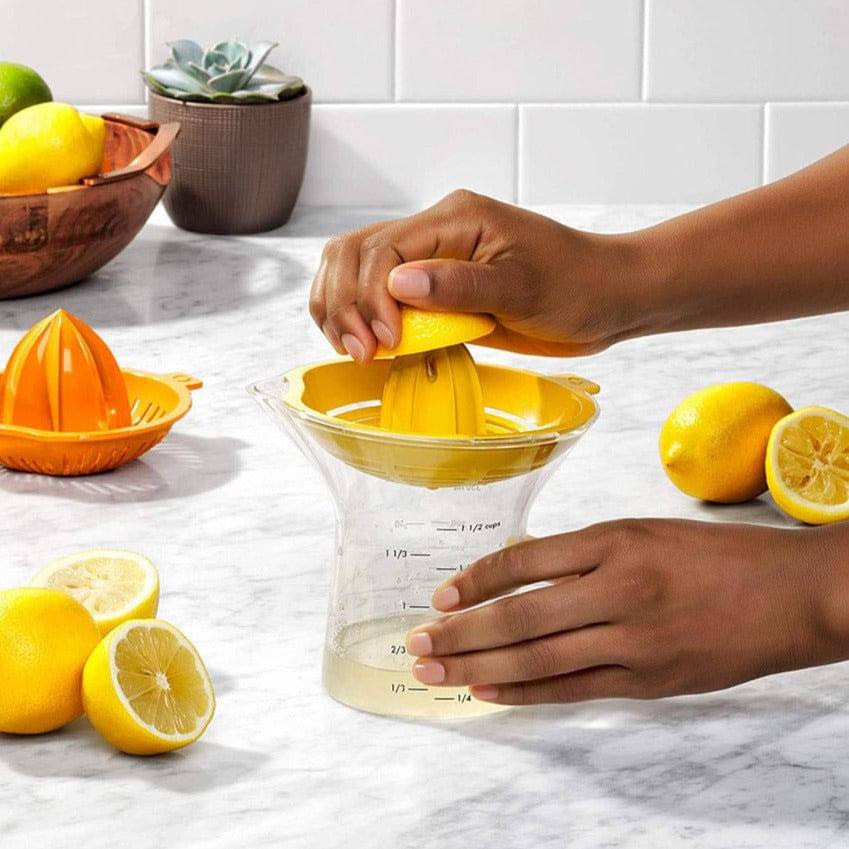
You’ve perfectly prepped your lemon. It’s soft, it’s room temperature, and it’s bursting with juice just waiting to be released. Now comes the most important part: the extraction. While you can squeeze it by hand, pairing this technique with the right tool will take your juicing to a whole new level. This is where a dedicated citrus juicer becomes your best friend.
A great juicer ensures that all the effort you put into learning how to roll a lemon before juicing pays off, capturing every last drop without the seeds or excess pulp.
Choosing Your Weapon: A Quick Guide to Citrus Juicers
Navigating the world of juicers can feel overwhelming, but for citrus, it generally boils down to a few key types. Each has its pros and cons, depending on your needs and how much lemonade you plan on making.
The Trusty Hand-Held Reamer
This is the classic, no-frills option. It can be a simple wooden or plastic tool or a more complex handheld squeezer. It’s cheap, small, and easy to store. However, it requires a lot of elbow grease and can be inefficient for juicing large quantities.
The Electric Citrus Juicer: Power at Your Fingertips
This is the sweet spot for most home juice enthusiasts. An electric citrus juicer has a motorized reamer that does all the hard work for you. You simply press the halved citrus onto the cone, and it spins, extracting juice quickly and efficiently.
- Pros: Fast, efficient, requires minimal physical effort.
- Cons: Takes up more counter space, requires electricity.
- Best for: Anyone who regularly makes fresh orange juice for breakfast, lemonade in the summer, or uses a lot of citrus juice for cooking and cocktails.
|
Our Picks for the Best Citrus Juicer in 2025
As an Amazon Associate, we earn from qualifying purchases.
|
||
| Num | Product | Action |
|---|---|---|
| 1 | Hurom H400 Cold Press Juicer Machine, Award Winning Masticating Slow Juicer, Easy to Clean, Strainer & Hands Free with Self Feeding, Wide Mouth Hopper, Easy Assembly (White) |

|
| 2 | Chef\\\'n Freshforce Citrus Juicer (Lemon), 10.25 long |
|
| 3 | BLACK+DECKER 32oz Electric Citrus Juicer, CJ625, Pressure Activated, Adjustable Pulp Control, Dishwasher-Safe |
|
| 4 | Vinci Hands Free Electric Citrus Juicer, 1-Button Juicer Machine, Orange Lime Grapefruit Lemon Squeezer, Easy to Clean Orange Juicer Squeezer, Black/Stainless Steel |
|
| 5 | Zulay Kitchen Cast-Iron Orange Juice Squeezer - Easy-to-Clean, Heavy-Duty, Professional Citrus Juicer - Stainless Steel Lemon Squeezer - Manual Citrus Press & Orange Squeezer - Orange Juicer (Black) |
|
| 6 | Elite Gourmet ETS740 BPA-Free Electric Citrus Juicer with 2 Cones, Compact, Large Volume, Pulp Control, Oranges, Lemons, Limes, Grapefruits with Easy Pour Spout, 1.2L, Black/Stainless Steel |
|
| 7 | Cuisinart CCJ-500P1 Pulp Control Citrus Juicer, 1, Black/Stainless |
|
| 8 | Vinci Hands Free Electric Citrus Juicer, 1-Button Juicer Machine, Orange Lime Grapefruit Lemon Squeezer, Easy to Clean Orange Juicer Squeezer, Black/Stainless Steel |
|
| 9 | Hurom H320 Cold Press Juicer Machine, Easy to Clean Masticating Slow Juicer, Coarse Strainers, Self-Feeding, Hands Free, Family Size, Quiet Motor, Easy Assembly (Kale/Dark Green) |
|
| 10 | Juicer Machines with 5.4\\\" Large Feed Chute, 400W Cold Press Juicer for Whole Vegetables and Fruits, Slow Masticating juicer Easy to Clean Juice Extractor Machine High Juice Yield(Titanium Gray) |
|
The Centrifugal or Masticating Juicer
These are the heavy-duty machines you see at juice bars. While they are fantastic for juicing a wide variety of fruits and vegetables (like carrots, kale, and apples), they are often overkill and less efficient for just citrus. They can sometimes incorporate a bitter taste from the pith (the white part of the rind) if you’re not careful.
What Makes a Great Citrus Juicer? My Personal Checklist
As someone who has tested more juicers than I can count, I look for a few key things. When you’re ready to upgrade from squeezing by hand, keep this checklist in mind:
- Material: Look for durable materials like stainless steel or high-quality, BPA-free plastic. Stainless steel is fantastic for longevity and won’t stain or absorb odors.
- Power and Efficiency: For electric models, a motor that is powerful but quiet is a huge plus. The design of the reamer is also crucial—a well-designed cone can handle everything from a small lime to a large grapefruit.
- Ease of Cleaning: This is a big one. No one wants to spend 15 minutes cleaning up after making one glass of juice. Look for models with dishwasher-safe parts. The fewer nooks and crannies, the better.
- Pulp Control: Some of the best models have adjustable filters, allowing you to choose whether you want pulp-free juice or a little bit of fiber in your glass.
“A quality citrus juicer doesn’t just extract more juice; it extracts better juice. It minimizes bitterness from the pith and gives you a consistent, clean flavor every time. It’s the difference between a chore and a joy,” notes renowned kitchen gear expert, Dr. Alistair Finch.
Frequently Asked Questions (FAQ)
Q: Does rolling a lemon really make a difference?
A: Absolutely. It’s one of the most effective kitchen hacks for citrus. By breaking down the internal membranes before cutting, you can expect to get up to 30-40% more juice from the same piece of fruit.
Q: Can I use this rolling technique on other citrus fruits?
A: Yes! This method works wonders on limes, oranges, and even grapefruits. The principle is the same: soften the fruit and break up the internal cell walls to release more juice.
Q: How long should I roll a lemon for?
A: Generally, 15-20 seconds is sufficient. You don’t need to roll it for minutes on end. The goal is simply to feel the fruit’s texture change from firm to noticeably soft and pliable.
Q: Is it better to cut a lemon lengthwise or crosswise for juicing?
A: For most juicers, especially electric models with a reamer cone, cutting the lemon crosswise (through the “equator”) provides the most surface area for efficient juice extraction.
Q: Are there any other tricks to get more juice from a lemon?
A: Besides rolling, warming the lemon slightly in the microwave for 10-15 seconds before you roll it can make it even softer and yield more juice.
The Takeaway: Roll Your Way to Better Juice
Mastering how to roll a lemon before juicing is more than just a party trick; it’s a fundamental technique that respects the ingredient and your wallet. It ensures you’re not leaving precious flavor behind and reduces food waste.
This simple act, combined with the efficiency of a quality citrus juicer, elevates your entire experience. You’ll get more vibrant cocktails, brighter vinaigrettes, and more refreshing glasses of lemonade. So next time you reach for a lemon, give it a quick roll on the counter. Your taste buds (and your hands) will thank you for it.