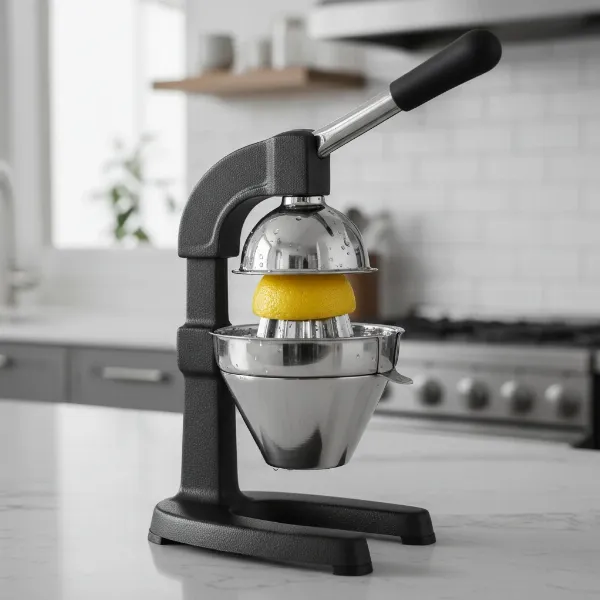
There’s nothing quite like the refreshing taste of freshly squeezed orange juice to kickstart your day or provide a vibrant boost. Yet, for many home juicers, the joy is often diminished by an unwelcome bitter aftertaste. If you’ve ever found yourself wondering why your homemade orange juice isn’t as sweet and bright as you hoped, you’re not alone. This common culinary conundrum has simple solutions that can transform your juicing experience. We’re here to help you unlock the secret to perfectly balanced, non-bitter orange juice, ensuring every sip is pure delight.
Why Does Your Homemade Orange Juice Taste Bitter? Understanding the Culprits
Table is empty.Several factors contribute to bitterness in homemade orange juice, with the most common culprits often found within the orange itself or in the juicing process. Understanding these sources is the first step toward achieving a sweeter, more enjoyable drink.
The primary cause of bitterness is often the albedo, which is the white pith found just beneath the orange peel. This spongy layer contains bitter compounds that can easily transfer to your juice if too much of it is squeezed. Similarly, leaving seeds in your orange during the juicing process can also introduce an unwanted bitter flavor.
Another significant factor is a natural compound called limonin. While limonin is present in most citrus fruits, its concentration is particularly high in some varieties, such as navel oranges. What makes limonin especially tricky is that its bitterness intensifies over time. This means juice that tastes fine immediately after squeezing might become noticeably bitter after sitting for even a short period. Furthermore, exposure to air can lead to oxidation, which can also alter the juice’s flavor, sometimes contributing to a bitter note if left for too long.
Finally, the specific orange variety you choose plays a crucial role. Some oranges are naturally sweeter, while others, due to their genetic makeup, can have a more pronounced bitter edge, making them less ideal for juicing if sweetness is your goal.
Choosing the Right Oranges for Sweet Success
The journey to perfect orange juice begins long before you turn on your juicer—it starts with selecting the right fruit. Opting for specific varieties known for their sweetness and low bitterness can significantly impact your final product.
For consistently sweet and palatable juice, look for varieties like Valencia, Cara Cara, or blood oranges. Valencia oranges are renowned for their high juice content and balanced sweet-tart flavor. Cara Cara navels offer a uniquely sweet, less acidic taste with hints of berries, and crucially, they contain less limonin than traditional navel oranges, making them a great choice for juicing. Blood oranges, with their distinctive color, also provide a sweeter juice profile. Generally, “juice oranges” are specifically cultivated for their high liquid yield and pleasant flavor.
Beyond variety, the ripeness of the orange is paramount. A perfectly ripe orange will yield the sweetest juice. Look for oranges that feel heavy for their size, indicating a good juice content, and have smooth, blemish-free skin. While green patches don’t always mean unripe, a vibrant, consistent orange color often signals optimal ripeness and sweetness.
Pre-Juicing Preparation: The Foundation of Flavor
Careful preparation of your oranges before juicing is essential to prevent bitterness from seeping into your drink. This stage is where you directly combat the influence of the pith and seeds.
Proper Peeling: Avoiding the Pith
The most critical step in preparation is effectively removing the peel while leaving behind as much of the bitter white pith (albedo) as possible. If you’re using an electric or manual citrus juicer that requires halving the orange, ensure you don’t press or grind too hard into the white membrane during extraction. For juicers that process whole or segmented fruit, thoroughly peel the orange first. A sharp paring knife can be used to carefully slice away the outer skin, following the curve of the fruit, making sure to remove the entire white layer. Alternatively, you can segment the orange by cutting between the membranes, much like preparing citrus supremes, to completely eliminate the pith.
Seed Removal
Before placing orange halves or segments into your juicer, always inspect them for seeds. Orange seeds, if crushed or processed, can release bitter compounds that will quickly spoil the taste of your juice. A quick manual check and removal of any visible seeds will go a long way in ensuring a smoother, sweeter result.
Juicing Techniques to Prevent Bitterness
The way you extract juice can significantly influence its flavor. Employing the right technique ensures you get all the sweet liquid without the bitter extras.
Gentle Extraction: Don’t Over-Squeeze
Whether you’re using a simple hand reamer, a manual citrus press, or an electric juicer, the principle remains the same: avoid over-squeezing. Applying excessive pressure, especially with electric juicers, can cause the reamer to dig too deeply into the orange’s core, forcing the albedo to release its bitter oils into your juice. For manual juicers, use firm but controlled pressure. Stop juicing an orange half once most of the pulp and juice have been extracted and before you feel the reamer grinding against the pith. Your goal is to get the sweet juice from the fruit’s flesh, not the bitter compounds from the white membrane.
Manual vs. Electric Juicers
Both manual and electric juicers can produce excellent orange juice. Manual presses offer great control over how much pressure is applied, allowing you to be very precise about avoiding the pith. Electric reamer-style juicers are convenient and quick, but some models can be overly aggressive. If your electric juicer frequently produces bitter juice, consider modifying your technique by using lighter pressure or experimenting with different attachment sizes if available. For whole-fruit juicers (centrifugal or masticating), ensure the oranges are thoroughly peeled to remove all white pith before feeding them into the machine.
“The secret to delightful orange juice often lies in the gentle art of extraction. Respecting the fruit’s natural boundaries – avoiding the pith and seeds – is paramount for a sweet, clean flavor.” – Lan Nguyen, Admin of citrusjuicerr.com
Post-Juicing Solutions: Fixing Bitter Juice
Even with the best precautions, you might occasionally end up with a batch of orange juice that’s a bit too bitter. Don’t despair! There are several simple tricks to mitigate the bitterness and salvage your drink.
A Pinch of Salt: The Secret Balancer
This might sound counterintuitive, but a tiny pinch of salt can work wonders in balancing the flavors of bitter orange juice. Salt doesn’t just make things taste “salty”; it enhances sweetness and suppresses bitterness by interacting with your taste receptors. Add just a minuscule amount, stir well, and taste. You shouldn’t be able to detect the saltiness, but the bitterness should be noticeably reduced.
Sweeteners: Honey or Sugar
If bitterness persists, adding a natural sweetener can effectively mask it. Honey, maple syrup, or a simple sugar syrup can introduce the sweetness needed to counteract the bitter notes. Start with a small amount and gradually add more until the juice reaches your desired taste profile. This also works well if you simply prefer a sweeter juice.
Dilution
Sometimes, the easiest solution is to dilute the juice. Adding a splash of cold water, sparkling water, or even another naturally sweet fruit juice (like apple juice or pineapple juice) can mellow out the intensity and reduce the perception of bitterness. This can also create a lighter, more refreshing beverage.
Mixing with Other Juices
Consider blending your bitter orange juice with other fruit juices to create a delicious and less bitter concoction. Juices from sweet fruits like pineapple, mango, or even berries can complement orange juice beautifully while masking any bitterness. You could also experiment with adding a squeeze of fresh lime or lemon juice; while acidic, these can sometimes brighten the flavor and reduce the perception of bitterness in a complex way.
Storing Your Orange Juice: Keeping Bitterness at Bay
The freshness of homemade orange juice is fleeting, and proper storage is key to preventing bitterness from developing.
Drink Immediately
As discussed, the bitter compound limonin intensifies over time, especially in certain orange varieties like navel oranges. To enjoy the freshest, sweetest flavor, consume your homemade orange juice as soon as possible after juicing. The vibrant taste is at its peak immediately after extraction.
Refrigeration and Time Limits
If you can’t drink all your juice at once, store it in an airtight container in the refrigerator. This helps to slow down the oxidation process and the development of bitterness. However, even refrigerated, homemade orange juice is best consumed within 12-24 hours. After this period, the flavor can start to degrade, and bitterness may become more prominent due to limonin buildup and continued oxidation. Freezing orange juice can extend its shelf life, but it may slightly alter the texture and flavor upon thawing.
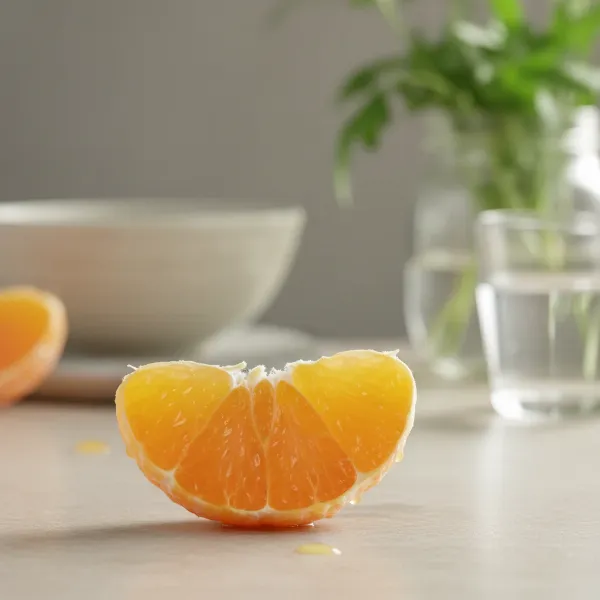 A close-up of a perfectly peeled orange segment, showing no white pith, ready for juicing to avoid bitterness.
Conclusion
Crafting delicious, non-bitter homemade orange juice is an achievable goal for any home chef. By understanding the common causes of bitterness—primarily the white pith, seeds, and the natural compound limonin—you can take proactive steps to prevent it. From carefully selecting sweet orange varieties and employing meticulous peeling techniques to practicing gentle juicing and timely consumption, each stage offers an opportunity to enhance your juice’s flavor. And should a touch of bitterness still sneak in, simple post-juicing solutions like a pinch of salt or a touch of sweetener can quickly restore balance. Embrace these tips, and transform your juicing routine into a consistently sweet and satisfying experience. What’s your favorite orange variety for juicing?
Frequently Asked Questions
Why does my navel orange juice taste bitter after a while?
Navel oranges naturally contain higher levels of limonin, a compound that becomes more bitter when exposed to air and over time. This reaction intensifies the longer the juice sits, making it taste bitter even if it was sweet initially.
Can I use a regular blender to make orange juice without bitterness?
Using a regular blender might introduce more bitterness as it pulverizes the entire fruit, including the pith and seeds. For best results, it’s recommended to peel the orange thoroughly, remove all pith and seeds, and then blend the segments with a small amount of water before straining.
Does adding sugar or honey truly remove bitterness, or just mask it?
Adding sugar or honey primarily masks the bitterness by introducing sweetness, making the overall flavor more palatable. While it doesn’t chemically remove the bitter compounds, it effectively balances the taste profile to your preference.
Is it better to juice cold or room temperature oranges?
While the temperature of the orange itself won’t directly impact bitterness, chilling the juice after extraction is best for flavor preservation. Some find that room temperature oranges yield more juice, but quickly chilling the juice afterwards is crucial.
Can old oranges make juice bitter?
Yes, oranges that are past their prime can sometimes produce bitter juice. Overripe or spoiled fruit may have degraded flavor compounds, and their natural sugars can convert, leading to a less sweet and potentially more bitter taste. Always use fresh, firm oranges for the best juice.