Ever wondered why the fresh-squeezed orange juice at that trendy café tastes so vibrant and rich, while yours at home sometimes falls a little flat? The secret, my friend, isn’t just the oranges. It’s the machine. If you’re on a quest for the perfect glass of liquid sunshine, you’ve likely come across a curious term. So, let’s get right into it: What Is A Masticating Citrus Juicer and why is it the game-changer your kitchen has been waiting for? Stick with me, and we’ll unravel the mystery behind the machine that’s revolutionizing how we think about juice.
Why a Citrus Juicer is Your Kitchen’s Best Friend
Before we dive deep into the specifics, let’s talk about why you’d want a dedicated citrus juicer in the first place. Sure, you can squeeze a lemon by hand for your water, but when you want a full glass of orange, grapefruit, or lime juice, things get messy and inefficient fast. A good citrus juicer is about more than convenience; it’s about extracting every last drop of goodness from your fruit, saving you time, effort, and money in the long run. It’s the difference between a chore and a delightful morning ritual.
A Quick Tour of Common Juicer Types
The world of juicers can feel a bit crowded. To understand what makes a masticating juicer so special, it helps to know the other players on the field.
- Manual Juicers: These are the classic, old-school reamers or hand-presses. They’re simple, affordable, and require a bit of elbow grease. Great for a single glass, not so great for a family breakfast.
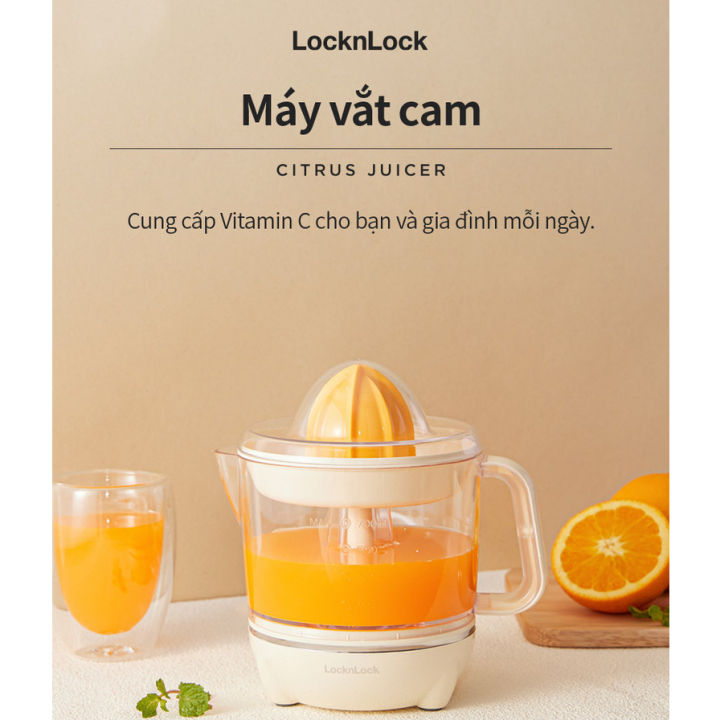
- Electric Reamer Juicers: Think of this as a motorized version of the manual reamer. You press a halved citrus fruit onto a spinning cone. They are quick and easy for citrus but are limited to just that.
- Centrifugal Juicers: These are the most common type you’ll see in big-box stores. They use a flat cutting blade that spins at very high speeds (we’re talking 6,000 to 14,000 RPM) to shred fruits and veggies, flinging the juice out through a fine mesh screen. They’re fast and can handle a wide variety of produce, but the high speed generates heat and introduces a lot of oxygen, which can degrade nutrients and affect the taste.
And that brings us to the star of today’s show.
The Main Event: So, What Is a Masticating Citrus Juicer?
A masticating citrus juicer, often called a slow juicer or cold press juicer, is an appliance that uses a slow-rotating auger (a gear-like mechanism) to crush and “chew” the fruit, pressing it against a screen to separate the juice from the pulp. It operates at a much lower speed, typically between 40 and 100 RPM.
Think of it like this: a centrifugal juicer is like a wood chipper—fast, loud, and aggressive. A masticating juicer, on the other hand, is more like a mortar and pestle—slow, methodical, and incredibly thorough.
How Does It Actually Work Its Magic?
The process is elegantly simple yet powerfully effective.
- Feeding: You drop your peeled citrus segments (or other fruits and veggies) into the chute.
- Crushing: The single or double auger slowly turns, grabbing the fruit and breaking it down into a much smaller pulp.
- Pressing: This pulp is then pushed along the chamber and squeezed against a mesh screen. The slow, intense pressure extracts the juice, which flows out of one spout, while the dry pulp is ejected from another.
This deliberate, low-heat process is the key to its superior performance.
Masticating vs. Centrifugal Juicers: The Showdown
To really understand the difference, let’s put them head-to-head. It’s like comparing a carefully crafted pour-over coffee to a quick instant brew—both give you coffee, but the experience and quality are worlds apart.
| Feature | Masticating Juicer (Slow Juicer) | Centrifugal Juicer (Fast Juicer) |
|---|---|---|
| Speed (RPM) | Slow (40-100 RPM) | Very Fast (6,000-14,000 RPM) |
| Juice Quality | Higher. Less foam, richer color, more flavor. | Good, but often has more foam and separates quickly. |
| Nutrient Retention | Excellent. Minimal heat and oxidation preserve enzymes. | Lower. Heat and oxygen from high speed can degrade nutrients. |
| Juice Yield | High. Produces very dry pulp, meaning more juice per fruit. | Moderate. Pulp is often still quite wet. |
| Versatility | High. Great for leafy greens, wheatgrass, and making nut milks. | Good for hard fruits and veggies, but struggles with leafy greens. |
| Noise Level | Very quiet. You can have a conversation while it’s running. | Loud. Often sounds like a small blender. |
| Price | Generally higher. | More budget-friendly. |
|
Our Picks for the Best Citrus Juicer in 2026
As an Amazon Associate, we earn from qualifying purchases.
|
||
| Num | Product | Action |
|---|---|---|
| 1 | Elite Gourmet ETS740 BPA-Free Electric Citrus Juicer with 2 Cones, Compact, Large Volume, Pulp Control, Oranges, Lemons, Limes, Grapefruits with Easy Pour Spout, 1.2L, Black/Stainless Steel |

|
| 2 | Hurom H400 Cold Press Juicer Machine, Award Winning Masticating Slow Juicer, Easy to Clean, Strainer & Hands Free with Self Feeding, Wide Mouth Hopper, Easy Assembly (White) |
|
| 3 | BLACK+DECKER 32oz Electric Citrus Juicer, CJ625, Pressure Activated, Adjustable Pulp Control, Dishwasher-Safe |
|
| 4 | Zulay Kitchen Cast-Iron Orange Juice Squeezer - Easy-to-Clean, Heavy-Duty, Professional Citrus Juicer - Stainless Steel Lemon Squeezer - Manual Citrus Press & Orange Squeezer - Orange Juicer (Black) |
|
| 5 | Hurom H320 Cold Press Juicer Machine, Easy to Clean Masticating Slow Juicer, Coarse Strainers, Self-Feeding, Hands Free, Family Size, Quiet Motor, Easy Assembly (Kale/Dark Green) |
|
| 6 | Vinci Hands Free Electric Citrus Juicer, 1-Button Juicer Machine, Orange Lime Grapefruit Lemon Squeezer, Easy to Clean Orange Juicer Squeezer, Black/Stainless Steel |
|
| 7 | Chef\\\'n Freshforce Citrus Juicer (Lemon), 10.25 long |
|
| 8 | Vinci Hands Free Electric Citrus Juicer, 1-Button Juicer Machine, Orange Lime Grapefruit Lemon Squeezer, Easy to Clean Orange Juicer Squeezer, Black/Stainless Steel |
|
| 9 | Cuisinart CCJ-500P1 Pulp Control Citrus Juicer, 1, Black/Stainless |
|
| 10 | Juicer Machines with 5.4\\\" Large Feed Chute, 400W Cold Press Juicer for Whole Vegetables and Fruits, Slow Masticating juicer Easy to Clean Juice Extractor Machine High Juice Yield(Titanium Gray) |
|
Why Go Masticating? The Health and Flavor Benefits
So, why would you choose a slower machine? The benefits are all in the glass. Because a masticating citrus juicer doesn’t introduce much heat or air into the process, the juice you get is fundamentally different.
- Maximum Nutrition: The slow-press method protects delicate vitamins, minerals, and live enzymes from being destroyed by heat and oxidation. You’re getting more of the good stuff in every sip.
- Superior Taste: Less oxidation means a purer, cleaner taste. The flavors are more pronounced, and the juice is less bitter. You’ll notice the difference in your very first glass.
- Longer Shelf Life: Juice from a masticating juicer can typically be stored in an airtight container in the fridge for up to 72 hours without significant nutrient loss or separation. Centrifugal juice is best consumed immediately.
- Higher Yield: You’ll physically get more juice out of your oranges, grapefruits, and lemons. Over time, this efficiency can help offset the higher initial cost of the machine as you buy less produce.
“The minimal oxidation from a cold press or masticating juicer is crucial for preserving the integrity of antioxidants like Vitamin C, which is particularly sensitive to heat and air. You’re not just getting juice; you’re getting a more potent nutritional beverage.” – Dr. Eleanor Vance, Certified Nutritionist
Picking Your Perfect Partner: A Buyer’s Guide
Ready to take the plunge? Here’s what to look for when choosing a masticating citrus juicer.
What Is It Made Of?
Look for high-quality, BPA-free plastics for the housing and auger, and a sturdy stainless steel mesh for the filter. A durable motor is the heart of the machine, so look for brands with a good warranty, as it’s a sign of confidence in their product.
How Easy Is It to Clean?
Let’s be honest, if a juicer is a nightmare to clean, you won’t use it. Look for models with fewer parts and dishwasher-safe components. Many modern masticating juicers are designed for quick disassembly and rinsing, often coming with a specialized brush to clean the filter screen.
What’s the Price Tag?
Masticating juicers are an investment. Prices can range from around $100 to over $500. While a higher price often means a more powerful motor and better build quality, there are fantastic mid-range options that deliver exceptional value. Think about how often you’ll use it to determine the right budget for you.
Creative Sips: It’s Not Just for Orange Juice!
The beauty of a masticating juicer is its versatility. Once you’ve mastered the perfect orange juice, why not get creative?
- The Sunrise Refresher: Juice oranges, a pink grapefruit, and a small knob of ginger for a zesty, invigorating start to your day.
- Green Lemonade: Combine lemon, kale, a green apple, and cucumber for a detoxifying and delicious green juice.
- Spiced Citrus: Add a sprinkle of cinnamon or turmeric to your fresh orange juice for an anti-inflammatory boost.
Frequently Asked Questions
Q: Is a masticating citrus juicer the same as a cold press juicer?
A: Yes, the terms “masticating,” “slow juicer,” and “cold press” are often used interchangeably. They all refer to the same technology that uses a slow auger to crush and press produce without generating significant heat.
Q: Can you put whole citrus fruits in a masticating juicer?
A: It’s not recommended. You should always peel citrus fruits like oranges and grapefruits before juicing. The peel contains oils that can be bitter and are difficult for the machine to process. You should also cut them into segments that fit easily down the chute.
Q: Are masticating juicers hard to clean?
A: They used to have a reputation for being difficult, but modern designs have improved dramatically. Most can be disassembled and rinsed clean in just a couple of minutes. The key is to clean it right after you use it before the pulp dries.
Q: Why is juice from a masticating juicer a different color?
A: Juice from a masticating juicer is often richer and more vibrant in color. This is because less oxygen has been whipped into it, so the pigments from the fruit are more concentrated and haven’t started to oxidize (which causes browning).
Q: Is the higher price of a masticating citrus juicer worth it?
A: If you value nutrient density, superior flavor, and getting the highest possible yield from your produce, then yes, it is absolutely worth it. It’s an investment in your health and your taste buds.
The Final Squeeze
So, what is a masticating citrus juicer? It’s more than just an appliance; it’s a commitment to quality. It’s for the person who doesn’t want to just drink juice, but wants to experience it in its most flavorful, nutrient-rich form. By slowly and gently pressing the life out of every cell, it delivers a glass of juice that is simply unparalleled. If you’re ready to elevate your juicing game from a simple routine to a delicious art form, a masticating juicer is your perfect tool for the job.