Ever found yourself in a kitchen showdown, wrestling with a stubborn lemon, only to end up with sticky hands, rogue seeds in your salad dressing, and a pathetic dribble of juice for all your effort? We’ve all been there. It’s a moment that makes you wonder if there’s a better way. Well, I’m here to tell you there is, and it’s a beautifully simple tool. So, What Is A Lemon Squeezer? In short, it’s your ticket to effortless, seed-free, and maximum-yield citrus juice, every single time. It’s the unsung hero of the kitchen drawer, ready to transform your cooking, cocktails, and morning routines from a hassle into a pleasure.
Why You Genuinely Need a Lemon Squeezer
Let’s cut to the chase. You might think, “I can just squeeze it with my hands.” And you can, but you’re leaving a lot on the table—literally. A good lemon squeezer is a game-changer for a few key reasons:
- Maximum Juice, Minimum Effort: A squeezer uses leverage to extract far more juice than your hands ever could. We’re talking about getting every last drop of that liquid gold.
- No More Pesky Seeds: Most squeezers are designed to catch seeds and excess pulp, giving you pure, clean juice. Say goodbye to fishing out tiny seeds from your iced tea.
- Cleanliness is Key: It keeps your hands clean and free from acidic juice that can sting tiny cuts or get in your eyes. It’s a cleaner, more civilized way to juice.
- Consistency in Recipes: When a recipe calls for the juice of one lemon, using a squeezer ensures you get a consistent amount each time, leading to better-tasting, more reliable results.
Honestly, once you’ve experienced the ease of a proper lemon squeezer, you’ll wonder how you ever lived without it.
The A-List: Common Types of Lemon Squeezers
Not all heroes wear capes, and not all lemon squeezers look the same. The term what is a lemon squeezer actually covers a family of handy gadgets, each with its own style. Let’s break down the main players.
The Handheld Squeezer (The Classic)
This is likely the image that pops into your head. Often made of metal (like aluminum or stainless steel) or sturdy plastic, it features two handles and a hinged bowl. You place half a lemon, cut-side down, into the bowl and press the handles together.
- Pros: Easy to use, very effective at extracting juice, contains seeds and pulp well, relatively compact.
- Cons: Can be tiring on the hands if you’re juicing a large quantity, might not fit very large lemons or other citrus fruits like oranges.
The Reamer (The Minimalist)
A reamer is the simplest of them all. It’s a pointed, ridged cone, often made of wood, plastic, or glass, sometimes with a handle. You press a halved lemon onto the point and twist.
- Pros: Inexpensive, very small and easy to store, great for getting just a little bit of juice for a single drink or dish.
- Cons: Requires more elbow grease, can be messy, and doesn’t strain seeds or pulp for you.
The Electric Citrus Juicer (The Powerhouse)
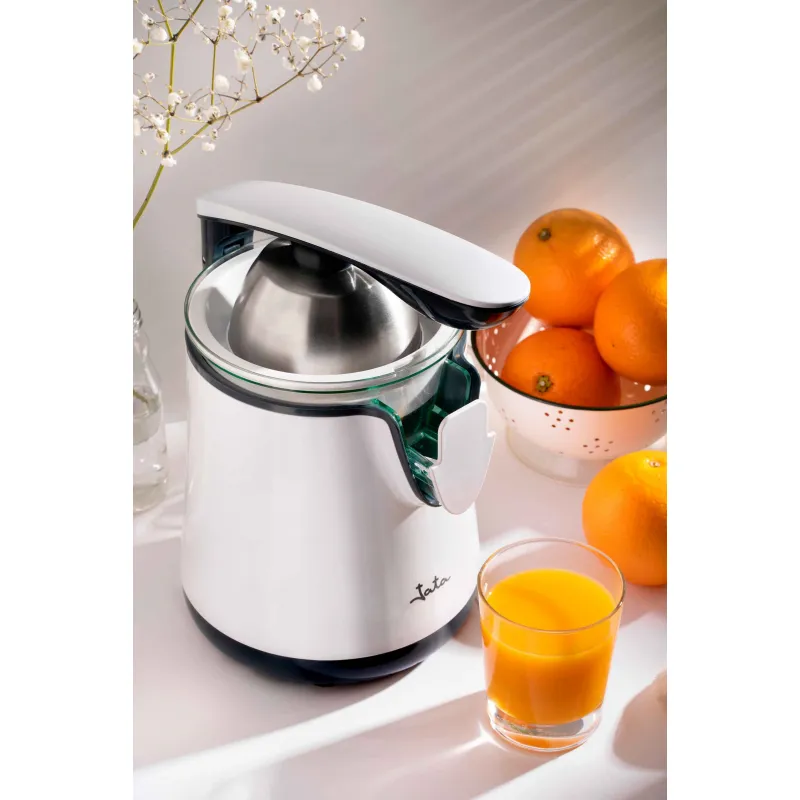
For the serious juice enthusiast, the electric juicer is the ultimate tool. It features a motorized reamer. You simply press the citrus half onto the cone, and the machine does all the work for you, often collecting the juice in a built-in pitcher.
- Pros: Effortless and fast, perfect for juicing large quantities, often comes with different-sized reamers for various citrus fruits.
- Cons: More expensive, takes up counter space, requires electricity, and has more parts to clean.
“Choosing the right tool is about matching it to your lifestyle. A handheld squeezer is perfect for the daily cook or cocktail maker, while an electric model is a true investment for anyone who starts their day with a large glass of fresh orange juice.” – Dr. Michael Sterling, Home Appliance Expert
Here’s a quick comparison to help you visualize the differences:
| Feature | Handheld Squeezer | Reamer | Electric Citrus Juicer |
|---|---|---|---|
| Effort | Low to Medium | Medium to High | Minimal |
| Juice Yield | High | Medium | Very High |
| Seed Straining | Yes | No | Yes |
| Best For | Daily use, cocktails | Small amounts, garnishes | Large batches, breakfast |
| Price | $ | $ | $$$ |
| Cleaning | Easy | Very Easy | More involved |
How to Pick Your Perfect Partner in Zest
Ready to make the leap? Choosing the right lemon squeezer comes down to a few practical considerations. Think of it as finding the right tool for your kitchen.
- Material Matters:
- Stainless Steel: Durable, rust-proof, dishwasher-safe, and won’t react with the acid in the juice. A top-tier choice.
- Coated Aluminum: Lighter and often more colorful, but ensure the coating is high-quality to prevent chipping over time.
- Plastic: Affordable and lightweight, but can stain and may not be as durable in the long run. Look for BPA-free options.
- Wood (for reamers): Classic and aesthetically pleasing, but requires hand-washing and can absorb odors over time.
- Ease of Cleaning: Let’s be real, if it’s a pain to clean, you won’t use it. Look for models that are dishwasher-safe or have a simple design with few nooks and crannies for pulp to get stuck in.
- Efficiency and Design: A well-designed squeezer will have comfortable handles that provide good leverage and a bowl that is sized appropriately for standard lemons and limes. The number and size of the holes will also determine how well it strains the juice.
- Your Juicing Habits: Be honest with yourself. Are you making a single lemon vinaigrette once a week or are you whipping up pitchers of fresh lemonade for the whole family? Your answer will guide you from a simple reamer to a heavy-duty electric model.
|
Our Picks for the Best Citrus Juicer in 2026
As an Amazon Associate, we earn from qualifying purchases.
|
||
| Num | Product | Action |
|---|---|---|
| 1 | Vinci Hands Free Electric Citrus Juicer, 1-Button Juicer Machine, Orange Lime Grapefruit Lemon Squeezer, Easy to Clean Orange Juicer Squeezer, Black/Stainless Steel |

|
| 2 | Zulay Kitchen Cast-Iron Orange Juice Squeezer - Easy-to-Clean, Heavy-Duty, Professional Citrus Juicer - Stainless Steel Lemon Squeezer - Manual Citrus Press & Orange Squeezer - Orange Juicer (Black) |
|
| 3 | Chef\\\'n Freshforce Citrus Juicer (Lemon), 10.25 long |
|
| 4 | Cuisinart CCJ-500P1 Pulp Control Citrus Juicer, 1, Black/Stainless |
|
| 5 | Juicer Machines with 5.4\\\" Large Feed Chute, 400W Cold Press Juicer for Whole Vegetables and Fruits, Slow Masticating juicer Easy to Clean Juice Extractor Machine High Juice Yield(Titanium Gray) |
|
| 6 | Hurom H320 Cold Press Juicer Machine, Easy to Clean Masticating Slow Juicer, Coarse Strainers, Self-Feeding, Hands Free, Family Size, Quiet Motor, Easy Assembly (Kale/Dark Green) |
|
| 7 | Vinci Hands Free Electric Citrus Juicer, 1-Button Juicer Machine, Orange Lime Grapefruit Lemon Squeezer, Easy to Clean Orange Juicer Squeezer, Black/Stainless Steel |
|
| 8 | Hurom H400 Cold Press Juicer Machine, Award Winning Masticating Slow Juicer, Easy to Clean, Strainer & Hands Free with Self Feeding, Wide Mouth Hopper, Easy Assembly (White) |
|
| 9 | Elite Gourmet ETS740 BPA-Free Electric Citrus Juicer with 2 Cones, Compact, Large Volume, Pulp Control, Oranges, Lemons, Limes, Grapefruits with Easy Pour Spout, 1.2L, Black/Stainless Steel |
|
| 10 | BLACK+DECKER 32oz Electric Citrus Juicer, CJ625, Pressure Activated, Adjustable Pulp Control, Dishwasher-Safe |
|
Getting the Most Juice: How to Use and Care for Your Squeezer
You’ve got your squeezer. Now, let’s make sure you’re using it like a pro.
Pro-Tip for Maximum Juice: Before you even cut it, roll the lemon firmly on the countertop with the palm of your hand. This helps break down the membranes inside and makes it easier to juice. Microwaving it for 10-15 seconds also works wonders!
Using a Handheld Squeezer (The Right Way)
You might be surprised to learn there’s a common mistake here.
- Cut the lemon in half width-wise, not lengthwise.
- Place one half into the bowl cut-side down. This feels counterintuitive, but it’s the correct way. The squeezer will essentially turn the lemon half inside-out, forcing all the juice out through the holes.
- Squeeze the handles firmly over a bowl or glass.
- Discard the lemon peel and repeat. It’s that simple!
Caring for your squeezer is just as easy. Rinse it immediately after use to prevent the acidic juice from sitting on the surface. Most metal and plastic models can go right in the dishwasher. For wooden reamers, a quick hand-wash and air dry is all it takes.
Beyond the Kitchen: The Health Perks of Fresh Lemon Juice
Using a lemon squeezer isn’t just about convenience; it’s about making it easier to incorporate a powerhouse of nutrition into your diet. Freshly squeezed lemon juice is packed with:
- Vitamin C: A fantastic boost for your immune system.
- Antioxidants: Helps protect your cells from damage.
- Hydration: Adding lemon to your water can encourage you to drink more.
- Digestive Aid: Warm lemon water in the morning is a time-honored tradition for kick-starting digestion.
By making juicing effortless, a simple squeezer can be a small but mighty tool on your wellness journey.
Think Outside the Glass: Creative Squeezer Hacks
Your squeezer is more versatile than you think! Don’t just stop at lemonade.
- Craft Cocktails: Perfectly measured, seed-free juice is non-negotiable for a flawless Whiskey Sour, Margarita, or Tom Collins.
- Salad Dressings: Whisk fresh lemon juice with olive oil, a little dijon mustard, salt, and pepper for a vibrant, homemade vinaigrette.
- Marinades: The acidity of lemon juice is brilliant for tenderizing chicken and fish.
- Baking: Add a bright, zesty kick to cakes, scones, and glazes.
- Finishing Touch: A final squeeze of fresh lemon juice can brighten up everything from roasted vegetables and grilled fish to rich pasta dishes.
Frequently Asked Questions
1. What is the best type of lemon squeezer to buy?
The best type depends on your needs. For most people, a durable, stainless steel handheld squeezer offers the perfect balance of efficiency, ease of use, and value. If you juice large quantities of citrus daily, an electric juicer is a worthwhile investment.
2. Can you put a lemon squeezer in the dishwasher?
Most modern stainless steel and plastic lemon squeezers are dishwasher-safe. However, it’s always best to check the manufacturer’s instructions. Wooden reamers and some coated metal squeezers should be hand-washed to maintain their quality.
3. Does a lemon squeezer work for limes and oranges?
Yes, most lemon squeezers work perfectly for limes. For small oranges like clementines, they often work well too. For larger navel oranges or grapefruits, you will need a larger squeezer or an electric juicer designed for multiple fruit sizes.
4. How do you get the most juice out of a lemon with a squeezer?
To maximize your juice yield, make sure your lemon is at room temperature or slightly warm. Roll it firmly on the counter before cutting it. When using a handheld squeezer, place the lemon half in with the cut side facing down.
5. Is a manual or electric lemon squeezer better?
Neither is inherently “better”—it’s about what’s better for you. A manual squeezer is great for portability, simplicity, and smaller tasks. An electric squeezer is superior for speed, efficiency, and juicing large volumes without straining your hands.
Your Fresh Start Begins Now
So, what is a lemon squeezer? It’s more than just a kitchen gadget. It’s a small investment in flavor, health, and convenience. It’s the difference between a frustrating task and a delightful one, the key to unlocking brighter dressings, tastier drinks, and a little more zest in your everyday life. Stop fighting with your fruit and discover the simple joy of getting every last, perfect drop. Your taste buds will thank you.