Picture this: it’s a peaceful morning, the sun is just peeking through the blinds, and you’re craving a fresh glass of orange juice. You grab your juicer, and suddenly, your tranquil kitchen sounds like an airplane getting ready for takeoff. If you’ve ever found yourself wincing and thinking, Why Is My Juicer So Loud, you are definitely not alone. It’s a common complaint that can turn a healthy habit into a head-splitting chore. But what if I told you the noise isn’t just an annoyance? It’s a sign—a loud, screaming signal that you might be using the wrong tool for the job. Here at Citrus JuicerR, we believe juicing should be a joyful, serene experience, not a noisy ordeal. Let’s dive into the reasons behind the racket and introduce you to the whisper-quiet world of dedicated citrus juicing.
The Real Reason Your Juicer Is So Loud
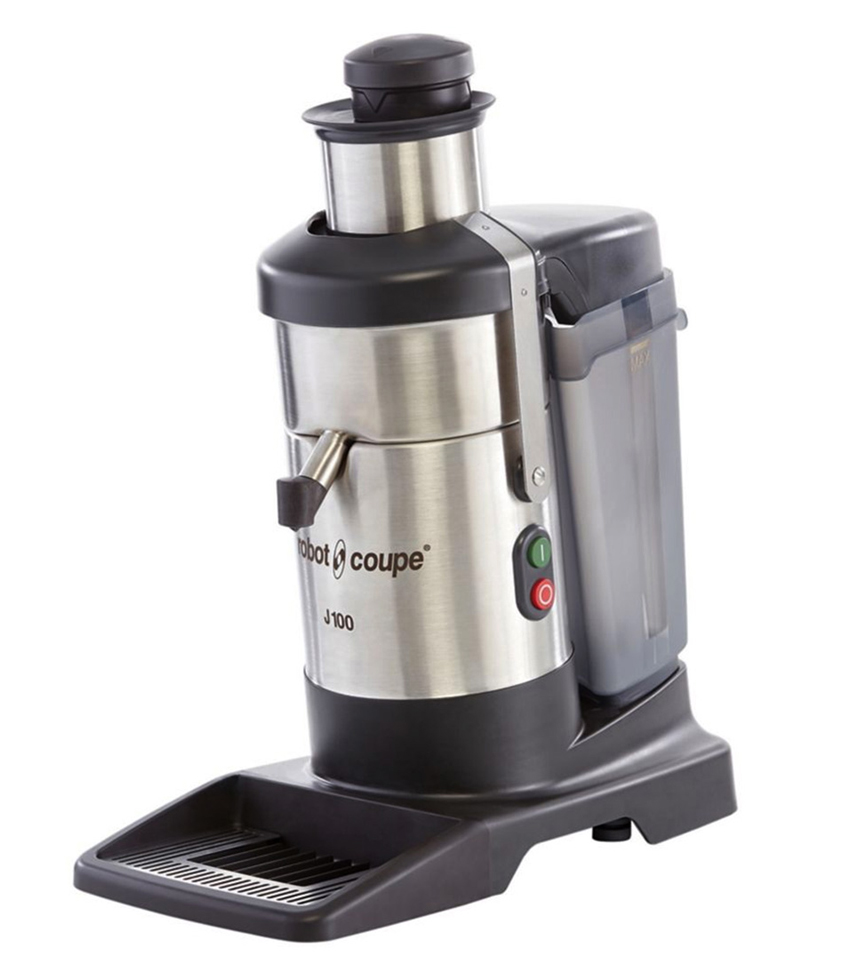
Before we find the solution, let’s diagnose the problem. The primary reason most all-purpose juicers are incredibly noisy is their design. Most of the loud machines on the market are centrifugal juicers.
The Centrifugal Culprit: A Jet Engine in Your Kitchen
A centrifugal juicer works by using a flat cutting blade that spins at an incredibly high speed (we’re talking 6,000 to 14,000 RPM) against a mesh filter. This high-velocity spinning shreds the produce and flings the juice out through the mesh, separating it from the pulp.
Think about it—anything spinning that fast is bound to create a tremendous amount of noise and vibration. It’s a brute-force method. While it’s fast, the trade-off is the deafening sound, heat generation that can degrade nutrients, and a less-than-optimal yield for citrus fruits. So, when you ask, “why is my juicer so loud?”, the answer is very often: “Because it’s a centrifugal juicer.”
Other Noise-Inducing Factors
- Motor Quality: Cheaper juicers often use lower-quality motors that are inherently less balanced and noisier.
- Build and Materials: A wobbly base or flimsy plastic parts can vibrate and rattle, amplifying the noise.
- Wear and Tear: Over time, parts can become loose, and bearings can wear out, leading to increased grinding and clanking sounds.
The Quiet Alternative: An Introduction to Citrus Juicers
Now, let’s talk about the elegant solution. Unlike their boisterous centrifugal cousins, citrus juicers are specifically designed for one job: extracting every last drop of goodness from oranges, lemons, limes, and grapefruits. And they do it with blissful quietness. The core difference is that they don’t shred; they press. This fundamental change in mechanics is what makes all the difference.
What Are the Different Types of Citrus Juicers?
Navigating the world of citrus juicers is simple. They generally fall into two main categories, both of which are significantly quieter than the machine likely causing your noise problems.
The Classic Manual Juicer
This is the old-school, tried-and-true method. It can be a simple handheld reamer or a press with a lever.
- Pros: Completely silent (powered by you!), affordable, easy to clean, and portable.
- Cons: Requires more physical effort and is slower if you’re juicing for a crowd.
The Electric Citrus Juicer
This is the sweet spot for most juice lovers. An electric citrus juicer uses a low-RPM motor to spin a reamer. You simply halve the fruit, press it onto the reamer, and the machine does the work for you. The motor is powerful but slow, designed for torque, not speed. The result? A gentle, humming sound instead of a high-pitched scream. This is the category where our Citrus JuicerR models truly shine.
| Feature | Centrifugal Juicer (The Loud One) | Electric Citrus Juicer (The Quiet Hero) |
|---|---|---|
| Mechanism | High-speed shredding & spinning | Low-speed pressing & reaming |
| Noise Level | Very Loud (70-90 dB) | Very Quiet (40-60 dB) |
| Best For | Hard vegetables, apples | Oranges, lemons, limes, grapefruits |
| Juice Yield (Citrus) | Moderate | High to Very High |
| Ease of Cleaning | Multiple complex parts, mesh filter | Few, simple, often dishwasher-safe parts |
How to Choose the Best Citrus Juicer for Your Home
Ready to reclaim your morning peace? Choosing the right citrus juicer is a breeze when you know what to look for. Forget the confusing specs of all-purpose machines and focus on what really matters for perfect citrus juice.
- Material & Durability: Look for models with a stainless steel body and spout. They’re not only durable and rust-resistant but also look fantastic on your countertop. For the parts that touch your fruit, ensure they are BPA-free plastic.
- Motor Power & Efficiency: For a citrus juicer, you don’t need a massive wattage number. What you need is a motor with consistent torque that doesn’t bog down when you press the fruit. It’s about steady power, not raw speed.
- Ease of Cleaning: This is huge. The best models have parts that are easily removable and dishwasher-safe. A juicer that’s a pain to clean will end up collecting dust in a cabinet. Our Citrus JuicerR Pro can be disassembled and cleaned in under a minute.
- Size & Storage: Consider how much counter space you have. Do you want a compact model for daily use or a larger one for weekend brunch parties?
- Price and Warranty: A quality juicer is an investment in your health and well-being. Look for a solid warranty that shows the company stands behind its product.
“Many people buy a powerful, all-purpose juicer thinking it’s a one-size-fits-all solution, only to be disappointed by the noise and poor results with citrus. A dedicated citrus juicer is a game-changer for both flavor and the overall experience.”
– David Miller, Kitchen Appliance Expert
|
Our Picks for the Best Citrus Juicer in 2026
As an Amazon Associate, we earn from qualifying purchases.
|
||
| Num | Product | Action |
|---|---|---|
| 1 | Cuisinart CCJ-500P1 Pulp Control Citrus Juicer, 1, Black/Stainless |

|
| 2 | Zulay Kitchen Cast-Iron Orange Juice Squeezer - Easy-to-Clean, Heavy-Duty, Professional Citrus Juicer - Stainless Steel Lemon Squeezer - Manual Citrus Press & Orange Squeezer - Orange Juicer (Black) |
|
| 3 | Juicer Machines with 5.4\\\" Large Feed Chute, 400W Cold Press Juicer for Whole Vegetables and Fruits, Slow Masticating juicer Easy to Clean Juice Extractor Machine High Juice Yield(Titanium Gray) |
|
| 4 | Vinci Hands Free Electric Citrus Juicer, 1-Button Juicer Machine, Orange Lime Grapefruit Lemon Squeezer, Easy to Clean Orange Juicer Squeezer, Black/Stainless Steel |
|
| 5 | Vinci Hands Free Electric Citrus Juicer, 1-Button Juicer Machine, Orange Lime Grapefruit Lemon Squeezer, Easy to Clean Orange Juicer Squeezer, Black/Stainless Steel |
|
| 6 | BLACK+DECKER 32oz Electric Citrus Juicer, CJ625, Pressure Activated, Adjustable Pulp Control, Dishwasher-Safe |
|
| 7 | Chef\\\'n Freshforce Citrus Juicer (Lemon), 10.25 long |
|
| 8 | Hurom H320 Cold Press Juicer Machine, Easy to Clean Masticating Slow Juicer, Coarse Strainers, Self-Feeding, Hands Free, Family Size, Quiet Motor, Easy Assembly (Kale/Dark Green) |
|
| 9 | Elite Gourmet ETS740 BPA-Free Electric Citrus Juicer with 2 Cones, Compact, Large Volume, Pulp Control, Oranges, Lemons, Limes, Grapefruits with Easy Pour Spout, 1.2L, Black/Stainless Steel |
|
| 10 | Hurom H400 Cold Press Juicer Machine, Award Winning Masticating Slow Juicer, Easy to Clean, Strainer & Hands Free with Self Feeding, Wide Mouth Hopper, Easy Assembly (White) |
|
How to Use and Maintain Your Citrus Juicer for a Long, Quiet Life
Once you have your perfect machine, a little TLC will ensure it serves you well for years to come.
- Wash Your Fruit: Always rinse your citrus before cutting to remove any dirt or wax from the peel.
- Cut It Correctly: Slice fruits like oranges and grapefruits in half crosswise (through the “equator”), not from stem to end.
- Apply Even Pressure: Let the motor do the work. Apply firm, even pressure on the reamer. There’s no need to force it.
- Clean Immediately: This is the golden rule. Rinsing the parts right after you’re done prevents the sugary pulp from drying and sticking. It takes 30 seconds and will save you a ton of scrubbing later.
- Dry Thoroughly: Before reassembling, make sure all parts are completely dry to prevent any mold or mildew.
The Health Benefits: More Than Just a Quiet Morning
Switching to a dedicated citrus juicer isn’t just about escaping the noise. It’s about getting the best possible juice. The gentle pressing action doesn’t generate heat, which helps preserve the delicate vitamins and enzymes in your juice. You’ll enjoy:
- A massive dose of Vitamin C to boost your immune system.
- Natural hydration to start your day right.
- Delicious flavor with no added sugars or preservatives found in store-bought juice.
- Antioxidants that help fight free radicals in your body.
Get Creative: It’s Not Just for Orange Juice!
Your quiet new juicer is a gateway to a world of flavor. Don’t stop at oranges!
- Fresh Lemonade: Juice a few lemons, add water and a touch of your favorite sweetener.
- Zesty Marinades: Use fresh lime juice as a base for marinades for chicken or fish.
- Salad Dressings: Whisk fresh lemon or grapefruit juice with olive oil for a vibrant vinaigrette.
- Cocktails and Mocktails: A splash of fresh citrus juice elevates any drink.
Frequently Asked Questions (FAQ)
Q1: Why is my juicer so loud all of a sudden?
If your once-quiet juicer has suddenly become noisy, it could be a sign of a problem. Check if the parts are assembled correctly, if the base is on a level surface, or if food is clogged in the mechanism. It may also indicate that the motor’s bearings are starting to wear out.
Q2: Are citrus juicers really that much quieter?
Yes, absolutely. The difference is night and day. A typical centrifugal juicer operates at around 70-90 decibels (like a lawnmower), while an electric citrus juicer is usually in the 40-60 decibel range (like a quiet conversation or a refrigerator hum).
Q3: What is the easiest type of juicer to clean?
Hands down, citrus juicers are the easiest to clean. They typically have only 3-4 removable parts (a cover, a reamer, and a strainer), which can be quickly rinsed or placed in the dishwasher. Centrifugal juicers have complex mesh filters that can be very difficult to scrub.
Q4: Can I juice carrots or apples in a citrus juicer?
No. Citrus juicers are specifically designed for citrus fruits. Their reaming mechanism is perfect for soft, pulpy fruits with a rind but will not work on hard produce like carrots, apples, or celery.
Q5: How much juice can I get from one orange?
This depends on the size and variety of the orange, but on average, a good quality electric citrus juicer can extract about 1/3 to 1/2 cup (80-120 ml) of juice from one medium-sized orange.
Your Journey to Peaceful Juicing Starts Here
So, the next time you ask, “why is my juicer so loud?”, you’ll know the answer. It’s likely because you’re using a machine built for power and speed, not for the delicate art of citrus juicing. By choosing a dedicated citrus juicer, you’re not just buying a quieter appliance; you’re investing in a better-tasting, more nutritious, and infinitely more pleasant morning ritual. Stop letting a noisy machine dictate your day. It’s time to embrace the quiet confidence of a juicer designed to do one thing perfectly. Explore the Citrus JuicerR collection and discover how serene and delicious your daily glass of juice can be.