There’s a specific, dreadful silence that every juicing enthusiast knows. It’s the moment your kitchen, usually filled with the vibrant whir of a citrus juicer transforming oranges into liquid sunshine, suddenly goes quiet. You press the button again. Nothing. That, my friends, is often the start of a frustrating journey into the world of Common Citrus Juicer Problems. But don’t despair. As the lead voice here at Citrus JuicerR, I’ve seen it all, from sputtering motors to pulp-filled disasters. The good news? Most of these issues are surprisingly easy to fix.
Let’s be real, your citrus juicer is a workhorse. It deserves a little TLC. Think of me as your personal juicer mechanic. We’re going to roll up our sleeves, diagnose the culprits, and get you back to enjoying fresh, vibrant juice in no time. This isn’t just about fixing what’s broken; it’s about understanding your machine so you can prevent these hiccups from happening in the first place.
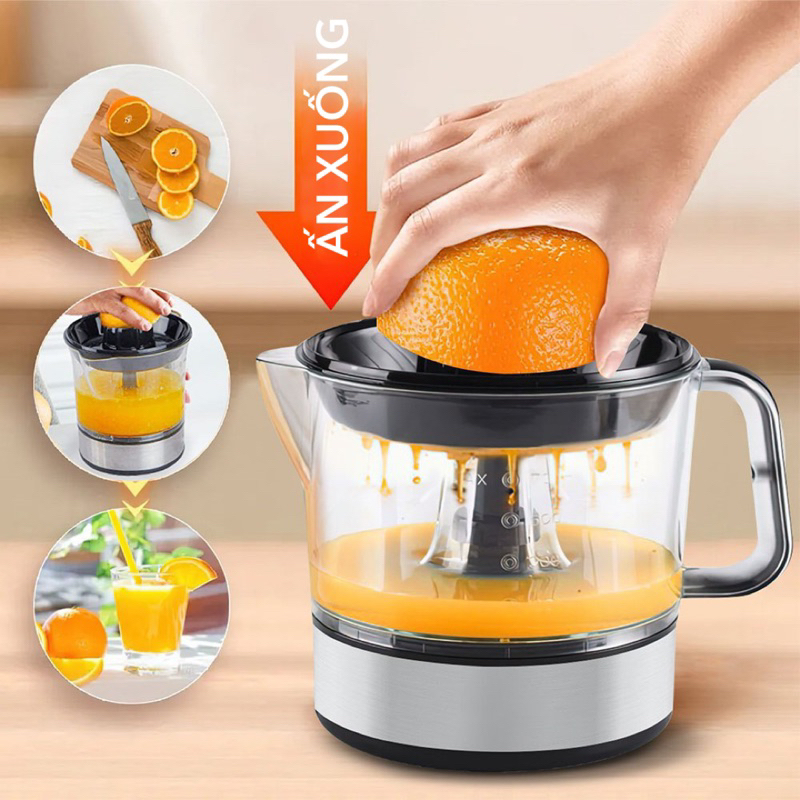
The Usual Suspects: Top 5 Citrus Juicer Issues
Before you think about tossing your machine, let’s walk through the most frequent issues that plague juicer owners. More often than not, the solution is simpler than you think.
Why Won’t My Juicer Turn On?
This is the big one, the showstopper. You’ve got your beautiful citrus halves ready to go, and your machine is completely unresponsive.
The most straightforward answer is often a power issue. Before panicking, check that the juicer is properly plugged into a working outlet. It sounds basic, I know, but you’d be surprised how often a loose plug is the culprit. If the outlet is fine, the next likely cause is improper assembly. Most modern electric juicers have a safety interlock system—if the parts aren’t clicked into place perfectly, the motor won’t engage.
Here’s a quick troubleshooting checklist:
- Check the Plug: Ensure it’s firmly in a working socket.
- Reassemble Carefully: Take the juicer apart and put it back together. Listen for that satisfying ‘click’ that tells you everything is locked in. Pay special attention to the lid and the juice collector.
- Inspect the Overheat Protection: Many juicers have an automatic shut-off to prevent the motor from overheating. If you’ve been juicing a large batch, let it cool down for 15-20 minutes before trying again.
Why Is My Juicer’s Motor So Weak?
Is your juicer struggling, sputtering, or failing to extract all the juice? A weak-sounding motor is another one of the most common citrus juicer problems, leaving you with a watery product and wasted fruit.
This issue typically points to one of two things: motor strain or a clogged filter. Overloading the machine by pressing down too hard or feeding it fruit too quickly can strain the motor. Over time, this can lead to reduced performance. Similarly, a filter clogged with pulp and seeds forces the motor to work much harder to push the juice through.
“Think of a juicer’s motor like a car engine,” says Dr. Alistair Finch, a leading home appliance engineer. “Consistent, gentle pressure yields better results and longevity than flooring the gas pedal. Clogged filters are like a blocked air intake; the engine simply can’t breathe or perform at its peak.”
To get your power back:
- Ease Up: Apply firm but gentle, consistent pressure. Let the reamer and the motor do the work for you.
- Clean the Filter: After every few pieces of fruit, especially with pulpy varieties like grapefruit, quickly rinse the strainer or filter basket to keep things flowing freely. For a deeper clean, check out our guide on how to deep clean your citrus juicer parts.
How Do I Fix Pulp Control Issues?
One person’s perfect glass of OJ is another’s pulpy nightmare. If you’re getting way more or way less pulp than you want, it’s a sign your pulp control mechanism isn’t working as it should.
This problem is almost always caused by blockages. Tiny bits of pulp and seeds can get lodged in the adjustable pulp control vents or sieves. When clogged, they can’t open or close properly, leading to an all-or-nothing pulp situation.
- Disassemble and Soak: Take apart the pulp filter and strainer.
- Scrub Gently: Use a small brush (an old toothbrush works wonders) and some warm, soapy water to gently scrub the vents and mesh. Pay close attention to the small crevices where pulp hides.
- Check for Damage: Inspect the adjustable lever or slider for any cracks or broken pieces that might be preventing it from moving correctly.
My Juicer Is Leaking! What Do I Do?
A puddle of sticky juice spreading across your countertop is not the morning zen you were hoping for. Leaks are messy, attract pests, and are a clear sign something is amiss.
Leaks almost always stem from two areas: a poor seal or a crack in the housing. The seal between the juice collector and the main body of the juicer is critical. If it’s not seated correctly, or if it’s become old and brittle, juice will find a way out. Cracks, often invisible to the naked eye, can also form from dropping the unit or from the stress of a struggling motor.
- Inspect the Gasket/Seal: Remove the seal if possible and clean it thoroughly. Check for any signs of wear, tear, or brittleness. If it looks worn, it’s time to order a replacement from the manufacturer.
- Check for Cracks: Carefully inspect the juice bowl and spout for any hairline cracks. If you find one, unfortunately, it’s often more cost-effective to replace the part or the entire unit.
- Ensure Proper Assembly: As with the power issue, a simple reassembly can sometimes solve a leak by ensuring the seals are perfectly aligned.
Why Is My Juicer Making a Horrible Grinding Noise?
Unusual sounds like grinding, rattling, or high-pitched squealing are your juicer’s way of crying for help. Ignoring them can lead to permanent damage.
A grinding noise often indicates that two hard parts are rubbing against each other. This could be a stray seed caught in the mechanism or a sign that the gears are worn out. A rattling noise might just be a loose part that needs tightening or to be clicked back into place.
To diagnose the noise:
- Unplug Immediately: First and foremost, cut the power.
- Disassemble and Inspect: Take everything apart. Look for any foreign objects, like a tough seed, lodged between the reamer and the motor shaft.
- Check for Wobble: See if the reamer or any other moving parts feel loose or wobbly. If so, the internal gears may be stripped, which usually requires a professional repair or replacement.
|
Our Picks for the Best Citrus Juicer in 2025
As an Amazon Associate, we earn from qualifying purchases.
|
||
| Num | Product | Action |
|---|---|---|
| 1 | Vinci Hands Free Electric Citrus Juicer, 1-Button Juicer Machine, Orange Lime Grapefruit Lemon Squeezer, Easy to Clean Orange Juicer Squeezer, Black/Stainless Steel |

|
| 2 | Cuisinart CCJ-500P1 Pulp Control Citrus Juicer, 1, Black/Stainless |
|
| 3 | Hurom H400 Cold Press Juicer Machine, Award Winning Masticating Slow Juicer, Easy to Clean, Strainer & Hands Free with Self Feeding, Wide Mouth Hopper, Easy Assembly (White) |
|
| 4 | Hurom H320 Cold Press Juicer Machine, Easy to Clean Masticating Slow Juicer, Coarse Strainers, Self-Feeding, Hands Free, Family Size, Quiet Motor, Easy Assembly (Kale/Dark Green) |
|
| 5 | Vinci Hands Free Electric Citrus Juicer, 1-Button Juicer Machine, Orange Lime Grapefruit Lemon Squeezer, Easy to Clean Orange Juicer Squeezer, Black/Stainless Steel |
|
| 6 | Elite Gourmet ETS740 BPA-Free Electric Citrus Juicer with 2 Cones, Compact, Large Volume, Pulp Control, Oranges, Lemons, Limes, Grapefruits with Easy Pour Spout, 1.2L, Black/Stainless Steel |
|
| 7 | Juicer Machines with 5.4\\\" Large Feed Chute, 400W Cold Press Juicer for Whole Vegetables and Fruits, Slow Masticating juicer Easy to Clean Juice Extractor Machine High Juice Yield(Titanium Gray) |
|
| 8 | BLACK+DECKER 32oz Electric Citrus Juicer, CJ625, Pressure Activated, Adjustable Pulp Control, Dishwasher-Safe |
|
| 9 | Zulay Kitchen Cast-Iron Orange Juice Squeezer - Easy-to-Clean, Heavy-Duty, Professional Citrus Juicer - Stainless Steel Lemon Squeezer - Manual Citrus Press & Orange Squeezer - Orange Juicer (Black) |
|
| 10 | Chef\\\'n Freshforce Citrus Juicer (Lemon), 10.25 long |
|
Prevention Is the Best Medicine: Proactive Juicer Care
Fixing problems is great, but avoiding them altogether is even better. The key to a long, happy life with your juicer is routine maintenance and proper usage. Think of it as a 5-minute investment to prevent future headaches.
- Clean Immediately After Use: Don’t let pulp and sugar dry and harden. A quick rinse under warm water right after you’re done makes cleaning a breeze. Dried-on pulp is like cement and puts unnecessary stress on the motor next time you use it.
- Use the Right Fruit Size: Cutting larger fruits like grapefruits or oversized oranges into quarters can reduce the strain on the motor.
- Store It Properly: Keep your juicer in a dry, safe place where it won’t get knocked over.
- Read the Manual: I know, I know. But your juicer’s manual is the ultimate cheat sheet for avoiding common citrus juicer problems specific to your model.
Choosing a high-quality juicer from the start is your best defense. Look for models with powerful but quiet motors, durable stainless steel or BPA-free plastic parts, and a design that’s simple to disassemble and clean. Our list of the Top-Rated Citrus Juicers of the Year is a great place to start your research.
Frequently Asked Questions (FAQ)
Q1: What are the most common citrus juicer problems?
A1: The most frequent issues include the juicer not turning on due to improper assembly or power issues, a weak motor from clogs or strain, inconsistent pulp control, leaks from bad seals, and strange grinding noises from foreign objects or worn parts.
Q2: How often should I deep clean my citrus juicer?
A2: While you should rinse it after every use, a thorough deep clean is recommended once a week if you use it daily. This involves soaking the removable parts in a vinegar solution or warm, soapy water to dissolve any mineral buildup or sticky residue.
Q3: Can I put citrus juicer parts in the dishwasher?
A3: Many modern juicers have dishwasher-safe parts, but always check your user manual first. High heat can warp some plastics. When in doubt, handwashing is always the safest bet to ensure the longevity of your machine’s components.
Q4: Why is my juice bitter?
A4: Bitter juice is usually caused by pressing the fruit too hard against the reamer. This extracts oils from the pith (the white part of the peel), which are naturally bitter. Use gentle, even pressure to extract only the juice from the fruit’s flesh.
Q5: Is it worth repairing an old citrus juicer?
A5: It depends on the problem and the juicer’s value. For a simple fix like a new seal on a high-end model, a repair is worthwhile. If the motor is dead on an inexpensive model, it’s often more economical to invest in a new, more efficient machine.
Your Fresh Start Awaits
Navigating the world of common citrus juicer problems doesn’t have to be a frustrating experience. With a little bit of knowledge and a proactive approach to care, you can keep your machine running smoothly for years to come. A reliable citrus juicer is more than just an appliance; it’s your partner in a healthy, vibrant lifestyle. Now that you’re armed with these solutions, you can face any juicing challenge with confidence. Go ahead, reclaim your kitchen and pour yourself that perfect glass of sunshine. You’ve earned it.