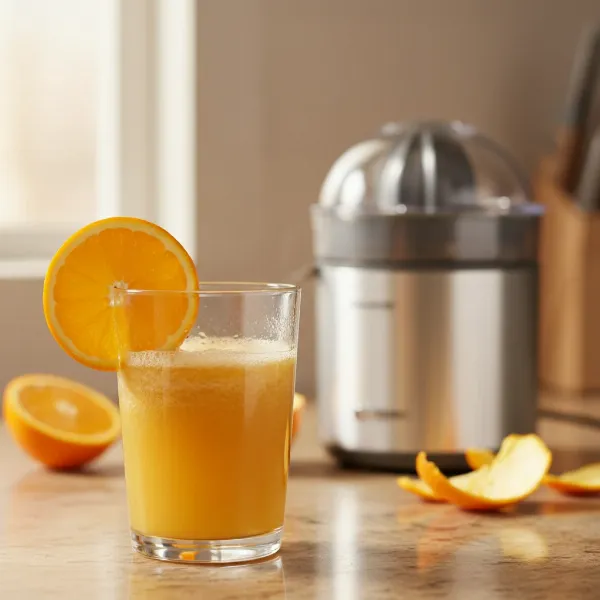
For anyone who loves the vibrant, tangy taste of fresh citrus, a good juicer is an indispensable kitchen tool. However, with a seemingly endless array of options available, choosing the right one can feel overwhelming. Many assume a single citrus juicer will suffice for all their needs, but the truth is, the subtle (and sometimes not-so-subtle) differences between lemons, limes, and oranges often call for specialized tools. Understanding these distinctions is key to maximizing juice yield, minimizing effort, and truly enjoying your juicing experience. This comprehensive guide will explore the various types of citrus juicers, highlight their specific advantages for different fruits, and help you select the perfect press for every squeeze.
Understanding Citrus Fruit Sizes and Their Impact on Juicer Design
The primary factor differentiating juicers for lemons, limes, and oranges is the size of the fruit itself. Limes are typically the smallest, followed by lemons, and then oranges, which can vary significantly in diameter. Grapefruits, though not the focus here, are even larger. A juicer designed for a small lime will struggle with a large orange, and vice-versa. This size variance dictates the design of the reaming cone or the pressing basket, which must perfectly cradle and extract juice from the fruit half.
Diverse Types of Citrus Juicers and Their Ideal Applications
Citrus juicers come in several main categories, each with unique benefits suited for different fruit sizes and juicing volumes.
Handheld Squeezers (Mexican Elbows)
These are arguably the most common and recognizable citrus juicers. They consist of two hinged handles that press a fruit half against a perforated bowl, forcing the juice out while catching seeds and pulp.
- Best for: Limes and lemons. Handheld squeezers are typically sized specifically for these smaller fruits. A lime-sized squeezer will efficiently extract juice from a lime, while a lemon-sized one is perfect for lemons. Using a lemon squeezer for a lime might be less efficient, and an orange is generally too large to fit.
- Pros: Compact, inexpensive, easy to store, excellent for quick tasks like adding a splash of juice to a drink or meal, minimal cleanup for single-use.
- Cons: Requires manual strength, can be tiring for large quantities, not suitable for oranges or larger citrus.
Manual Reamers with Collection Cups
These juicers feature a cone-shaped reamer that you twist a fruit half onto, extracting juice into an attached cup or pitcher below. Many models offer dual reamers.
- Best for: Versatile models with dual reamers can handle limes, lemons, and smaller oranges. The smaller reamer is ideal for limes and lemons, while the larger one accommodates oranges and even smaller grapefruits.
- Pros: More versatile than single-sized handheld squeezers, integrated juice collection, often dishwasher-safe parts. Good for medium quantities.
- Cons: Still requires manual effort and twisting motion, can be messy if not careful.
Manual Lever Press Juicers (Commercial-Style Presses)
These heavy-duty juicers use a leverage mechanism, often with a large handle, to press down on a fruit half placed over a reamer or pressing dome.
- Best for: All citrus sizes, including oranges and grapefruits, as many come with large cones or universal pressing plates. Some models are specifically praised for their ability to handle large quantities of various citrus fruits.
- Pros: Requires significantly less physical effort due to leverage, highly efficient at extracting juice, durable construction (often cast iron or stainless steel). Excellent for batch juicing.
- Cons: Larger footprint, heavier, more expensive, might not be dishwasher safe. Some claim they produce less pulp than electric models, which can be a pro or con depending on preference.
Electric Citrus Juicers
These juicers feature a motorized reamer that spins, extracting juice with minimal effort from the user. Many come with interchangeable reamers.
- Best for: All citrus sizes, especially suitable for large volumes of oranges or grapefruits for daily consumption. Many models include both small and large cones.
- Pros: Most effortless to use, fast for large quantities, often include adjustable pulp control and integrated pitchers with measurement markings. Dishwasher-safe parts are common.
- Cons: Can be pricier, take up more counter space, some users report they can over-ream the fruit or produce more pulp.
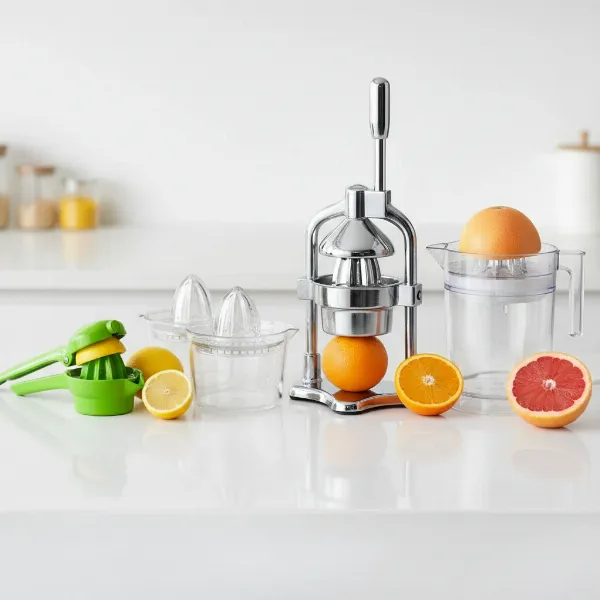 Visual comparison of handheld, manual reamer, lever press, and electric citrus juicers.
Key Differences: Why One Juicer Isn’t Always Enough
While the core function of a citrus juicer remains the same—extracting juice—the nuances in fruit size, peel thickness, and juice quantity demanded by different citrus varieties necessitate distinct designs.
Reamer or Cone Size
This is the most critical difference. A reamer that is too small for a fruit will fail to extract much juice and leave a significant amount in the rind. Conversely, a reamer that is too large for a small lime will tear the fruit apart and be inefficient. Multi-size reamers or specific-sized handheld presses are designed to conform perfectly to the fruit’s interior, ensuring maximum juice extraction. Some popular models feature two separate reamers, one for smaller fruits like limes and lemons, and a larger one for oranges and grapefruits.
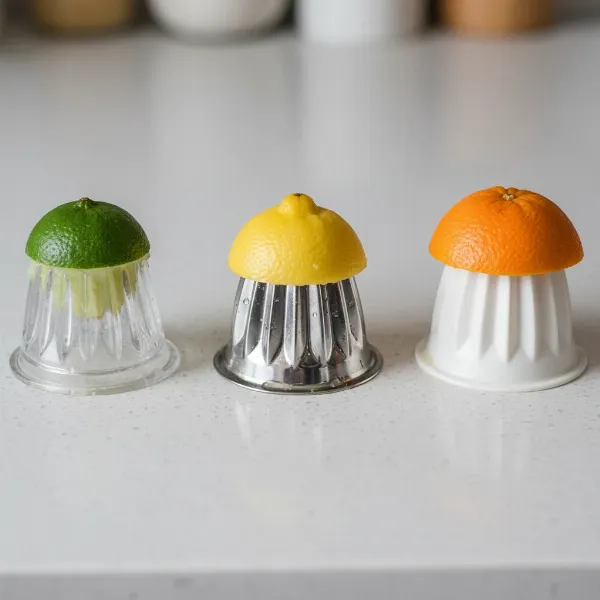 Illustrates different reamer cone sizes for limes, lemons, and oranges on various juicers.
Pressure Mechanism and Efficiency
- Handheld squeezers rely on brute force. They are quick for one-off uses but can be tiring.
- Manual reamers require twisting and downward pressure. Efficiency depends on technique and fruit ripeness.
- Lever presses use mechanical advantage, making them powerful and less strenuous for high-volume juicing.
- Electric juicers automate the reaming process, making them the easiest for continuous juicing. The motor ensures consistent pressure and rotation, though some models might still require a slight downward push from the user.
Juice Collection and Pulp Control
Handheld squeezers typically drip juice directly into a glass or bowl, often with a built-in strainer. Manual reamers usually have an integrated collection cup. Electric juicers often come with a substantial pitcher and may feature adjustable pulp control, allowing you to customize your juice’s texture from pulp-free to extra pulpy. The ability to control pulp is a significant advantage for those who have a strong preference.
“The right juicer isn’t just about getting juice; it’s about getting the right juice with the least effort and most satisfaction. Matching the tool to the fruit makes all the difference.”
Choosing the Right Citrus Juicer for Your Needs
Selecting the ideal citrus juicer boils down to understanding your personal juicing habits and preferences.
Your Juicing Habits
- Occasional garnish or cocktail: A specific handheld lime or lemon squeezer is probably all you need. They are quick, easy to clean, and store well.
- Daily fresh orange juice for one or two: A manual reamer with a collection cup or a compact electric juicer might be suitable.
- Batch juicing for family, recipes, or parties: A robust manual lever press or an electric juicer with dual reamers is a wise investment for handling larger quantities of various fruits with ease.
Types of Citrus You Juice Most
If your primary focus is limes and lemons for cooking or cocktails, investing in a high-quality, sturdy handheld squeezer for each size will yield excellent results. If fresh orange juice is a morning ritual, a dedicated electric orange juicer or a manual press will save you time and effort. For those who enjoy all types of citrus, a versatile model with interchangeable reamers is highly recommended.
Kitchen Space & Storage
Consider where your juicer will live. Handheld squeezers fit in any drawer. Larger manual presses or electric models require counter space or a dedicated cabinet spot. Their size often correlates with their capacity and power.
Effort Level Desired
If physical exertion is a concern, or if you juice frequently, an electric juicer or a manual lever press will be more comfortable and efficient. For light, infrequent use, the manual effort of a handheld squeezer is often negligible.
Budget & Durability
Prices vary widely. Inexpensive plastic handhelds are readily available, while high-end electric models can be a significant investment. Metal handhelds and manual presses tend to be more durable and long-lasting than their plastic counterparts. Stainless steel and die-cast aluminum often indicate robust construction built for longevity.
Tips for Maximizing Juice Yield
Regardless of the type of juicer you choose, these simple tricks can help you get the most out of every citrus fruit:
- Warm your fruit: Roll whole citrus on the countertop with firm pressure for a few seconds before cutting. This helps break down internal membranes and releases more juice.
- Cut crosswise: Always cut citrus fruits in half across their equator, not lengthwise. This exposes more juice sacs to the reamer or press.
- Don’t over-ream: While you want to extract as much juice as possible, pressing or reaming too aggressively, especially with electric juicers, can incorporate bitter pith into your juice. Find a balance for optimal flavor.
Conclusion
Navigating the world of citrus juicers doesn’t have to be complicated. The key lies in recognizing that “one size fits all” rarely applies to juicing lemons, limes, and oranges effectively. Whether you prioritize quick individual servings, versatile batch juicing, or effortless electric operation, there’s a perfect tool waiting for you. By considering the size of the fruit you frequently juice, your desired effort level, and your kitchen space, you can confidently choose a citrus juicer that enhances your culinary adventures and ensures every drop of liquid sunshine is captured. Which citrus juicer will become your next kitchen essential?
Frequently Asked Questions
Can I use a lemon juicer for limes and oranges?
You can often use a lemon juicer for limes, though it might be slightly less efficient for the smaller fruit. However, a standard lemon juicer is generally too small for oranges, making juice extraction difficult and messy. Specialized orange juicers or multi-size models are recommended for larger citrus.
Are electric citrus juicers always better than manual ones?
Not necessarily. Electric juicers offer convenience and speed for large quantities with minimal effort. However, manual juicers, particularly high-quality lever presses, can be equally efficient, offer better control over pulp, and are often easier to clean and more durable. The “best” choice depends on your volume needs and preference for effort vs. automation.
How do I clean my citrus juicer to prevent stickiness and odors?
Most modern Citrus Juicers have dishwasher-safe components, making cleanup easy. For manual juicers, simply rinsing immediately after use with warm, soapy water is usually sufficient. For electric models, disassemble the removable parts and wash them as directed, often in the dishwasher. Regular cleaning prevents sticky residue and maintains hygiene.
What material is best for a durable citrus juicer?
For durability, stainless steel and cast iron are excellent choices, especially for manual lever press juicers. For handheld squeezers, sturdy metal (like aluminum or stainless steel) is preferred over thin plastic, which can break under pressure. Plastic components are common in electric juicers but look for BPA-free, robust plastics.