Embarking on the journey of fresh citrus juicing often begins with a simple, yet essential tool: the reamer. Whether you’re a seasoned chef or a home cooking enthusiast, the quality of your freshly squeezed juice significantly impacts your culinary creations and daily nutrition. But a common dilemma arises when choosing this fundamental gadget: should you opt for a glass or a plastic citrus juicer reamer? With over a decade of experience in the world of juicers, particularly citrus varieties, I’ve seen how material choices can dramatically influence everything from flavor purity to long-term durability. This article will delve into a comprehensive comparison of glass and plastic reamers, helping you understand their distinct advantages and disadvantages so you can select the perfect tool to elevate your juicing experience.
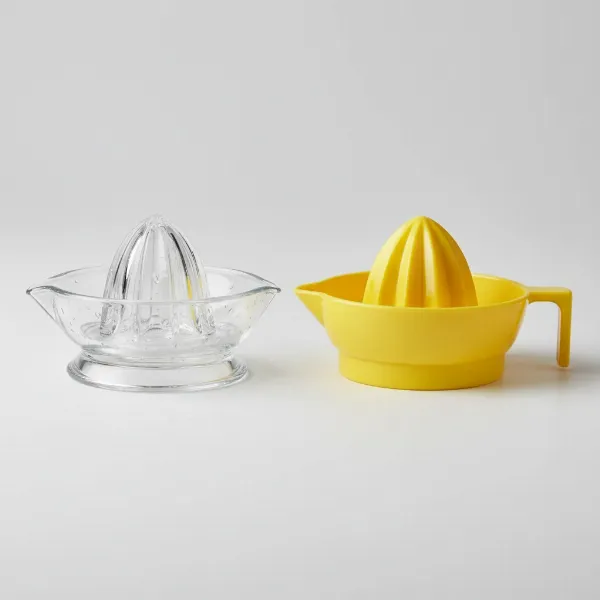 Side-by-side view of a translucent glass citrus reamer and a vibrant yellow plastic citrus reamer
Understanding Citrus Reamers: An Essential Juicing Tool
A citrus reamer is a simple, cone-shaped tool designed to efficiently extract juice from halved citrus fruits like lemons, limes, oranges, and grapefruits. Its pointed, ribbed design allows you to press and twist the fruit, rupturing the pulp and releasing its liquid gold. Reamers are beloved for their straightforward operation, minimal cleanup (compared to electric juicers), and their ability to produce fresh, pulp-free juice directly into a glass or bowl. They are a staple for anyone who values fresh ingredients, from preparing a morning glass of orange juice to adding a zesty kick to marinades and cocktails.
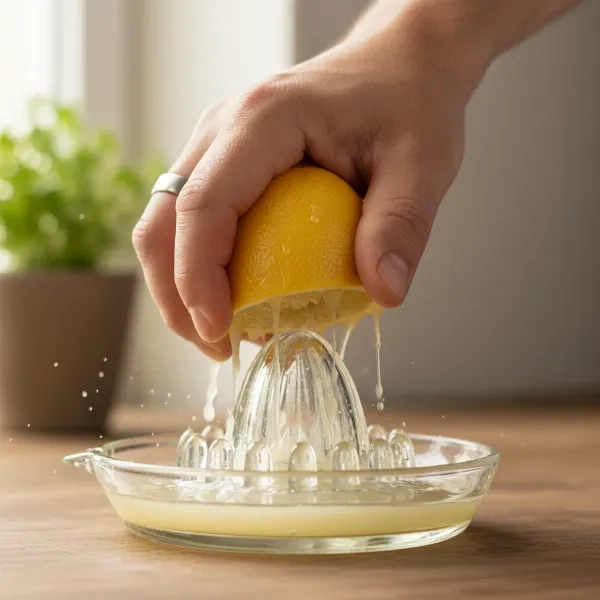 A hand holding a lemon half, twisting it onto a manual citrus reamer to extract fresh juice
The Case for Glass Reamers: Elegance and Purity
For many, a glass citrus reamer embodies tradition, elegance, and an unwavering commitment to purity. Often found in classic kitchen setups, these reamers offer distinct benefits that appeal to health-conscious users and those who appreciate enduring craftsmanship.
Advantages of Glass Reamers
- Purity and Health Safety: Glass is a non-porous, inert material, meaning it will not leach any harmful chemicals like BPA or phthalates into your fresh juice. This ensures that every drop of juice you consume is free from unwanted additives, making it a healthier choice.
- Flavor Preservation: Unlike plastic, glass does not absorb odors or flavors from previous uses. This guarantees that your orange juice tastes purely of orange, and your lemon juice retains its crisp, untainted zest, offering an authentic flavor experience every time.
- Enhanced Hygiene and Easy Cleaning: The non-porous surface of glass makes it incredibly hygienic. It resists staining from vibrant fruit pigments and does not absorb food particles, significantly reducing bacterial buildup. Most glass reamers can be easily rinsed clean or safely placed in a dishwasher for thorough sanitation.
- Oxidation Prevention: Glass can play a role in slowing down the oxidation process, potentially keeping your freshly squeezed juice fresher for a longer period—up to 72 hours in some cases, compared to plastic’s roughly 24 hours. This also helps protect light-sensitive nutrients like Vitamins A and C from degradation and maintains the juice’s natural pH balance.
- Durability and Longevity: While susceptible to breakage from impact, high-quality glass, especially borosilicate, is remarkably durable against scratches, heat, and warping. With proper care, a glass reamer can last for many years, resisting the wear and tear that often affects plastic over time.
- Aesthetics and Sustainability: Glass reamers offer a timeless, sophisticated look that complements any kitchen decor. Furthermore, glass is a fully recyclable material, making it an environmentally friendly choice for eco-conscious consumers.
Disadvantages of Glass Reamers
- Fragility: The most significant drawback of glass is its vulnerability to breakage. A single drop onto a hard surface can cause it to shatter, necessitating replacement.
- Weight: Glass reamers tend to be heavier than their plastic counterparts, which might be a consideration for some users, especially when handling or storing.
- Cost: Generally, glass reamers come with a higher price tag due to the material and manufacturing process.
The Practicality of Plastic Reamers: Convenience and Resilience
Plastic reamers are a ubiquitous sight in kitchens worldwide, prized for their practicality, affordability, and resilience. They offer a convenient entry point into home juicing and boast several advantages that cater to different user preferences.
Advantages of Plastic Reamers
- Affordability: Plastic reamers are typically much more budget-friendly, making them an accessible option for everyone.
- Impact Resistance: Unlike glass, plastic reamers are highly resistant to impact. If dropped, they are far more likely to bounce or dent rather than shatter, making them ideal for households with children or for those prone to kitchen accidents.
- Lightweight and Portable: Their lightweight nature makes plastic reamers easy to handle, store, and transport, whether you’re taking them camping or just moving them around the kitchen.
- Dishwasher Safe and Easy to Clean: Many plastic reamers are designed with removable parts and are completely dishwasher safe, offering effortless cleanup after use. Their smooth surfaces also make handwashing quick and simple.
- Versatility: Plastic reamers often come in various designs, including models with built-in measuring cups and pour spouts, enhancing their functionality. Modern plastic options are widely available as BPA-free, addressing some health concerns.
Disadvantages of Plastic Reamers
- Potential for Chemical Leaching: While many are now BPA-free, older or lower-quality plastic reamers can still leach chemicals like BPA and phthalates, especially when exposed to acidic fruit juices, raising health concerns.
- Odor and Flavor Absorption: Plastic is a porous material that can absorb colors, odors, and flavors over time. This can lead to your reamer retaining the scent of previous fruits or, worse, subtly altering the taste of your fresh juice.
- Staining and Scratching: Plastic surfaces are prone to staining from brightly colored fruits and can easily get scratched. These scratches not only make the reamer look worn but can also create tiny crevices where bacteria can accumulate, potentially compromising hygiene.
- Environmental Impact: Unless made from recycled materials and properly disposed of in recycling streams, plastic reamers contribute to plastic waste, posing a greater environmental burden compared to glass.
- Shorter Juice Freshness: Juice stored in plastic may oxidize faster, staying fresh for approximately 24 hours compared to the potentially longer lifespan in glass.
Glass vs. Plastic Reamers: A Side-by-Side Comparison
To provide a clearer picture, here’s a direct comparison of how glass and plastic reamers stack up against each other across key criteria:
| Feature | Glass Reamer | Plastic Reamer |
|---|---|---|
| Material Purity | Excellent (inert, no leaching) | Good (if BPA-free, otherwise potential leaching) |
| Flavor Preservation | Excellent (non-porous, no flavor absorption) | Fair (can absorb flavors over time) |
| Hygiene & Cleaning | Excellent (non-porous, stain-resistant, easy to clean) | Good (dishwasher safe, but prone to scratches/stains) |
| Durability (Impact) | Poor (fragile, prone to shattering) | Excellent (impact-resistant, unlikely to break) |
| Durability (Longevity) | Excellent (resists wear, heat, warping) | Fair (can scratch, degrade, or stain over time) |
| Juice Freshness | Superior (prevents oxidation, preserves nutrients) | Good (juice stays fresh for shorter duration) |
| Weight | Heavier | Lightweight |
| Cost | Higher | Lower |
| Aesthetics | Elegant, classic | Functional, varied designs |
| Environmental Impact | Recyclable, sustainable | Less eco-friendly (unless recycled/repurposed) |
Making Your Choice: Which Reamer is Right for You?
The “better” reamer ultimately depends on your individual priorities, lifestyle, and how you intend to use it. There’s no one-size-fits-all answer, but by considering a few key aspects, you can confidently make a selection that enhances your fresh citrus juicing routine.
Consider Your Lifestyle
- Frequency of Use: If you’re a daily juicer who prioritizes health and flavor purity above all else, a glass reamer might be the superior investment. For occasional juicers or those who value convenience, plastic is a practical choice.
- Budget: If cost is a primary concern, plastic reamers offer an affordable way to enjoy fresh juice without a significant upfront investment.
- Concerns about Breakage: If you’re prone to dropping kitchen tools or have a busy household with children, the resilience of plastic might offer greater peace of mind.
- Storage and Portability: For limited counter space, frequent travel, or camping trips, the lightweight and less fragile nature of a plastic reamer makes it a more convenient option.
- Aesthetics: If you appreciate classic kitchen tools and desire a reamer that doubles as a decorative piece, glass will likely appeal more.
Key Considerations for Purchase
When shopping for a plastic reamer, always look for clear labeling indicating “BPA-free” and ensure it’s made from high-quality, food-grade plastic. For glass reamers, consider models made from borosilicate glass, which is known for its thermal shock resistance and durability, making it more resilient than standard glass.
Maximizing Your Reamer’s Lifespan and Performance
Regardless of whether you choose a glass or plastic citrus reamer, proper care and maintenance are crucial for ensuring its longevity and optimal performance.
- Cleaning: For glass reamers, a simple rinse with warm, soapy water is usually sufficient. For tougher pulp residue, a soft brush can be helpful. Plastic reamers can often go straight into the dishwasher, but for handwashing, a non-abrasive sponge is best to avoid scratches.
- Drying: Always ensure your reamer is thoroughly dry before storing to prevent water spots or, in the case of plastic, potential mildew in crevices.
- Storage: Store glass reamers carefully to prevent accidental drops or knocks. A dedicated drawer or a padded cabinet shelf is ideal. Plastic reamers can be stored more flexibly due to their durability.
- When to Replace: Replace plastic reamers if they show significant scratching, staining, or any signs of degradation, as these can harbor bacteria or indicate the plastic is breaking down. Glass reamers should be replaced immediately if chipped or cracked to avoid injury.
Conclusion
The choice between a glass and a plastic citrus reamer is a personal one, with each material offering distinct advantages. Glass reamers shine in areas of purity, flavor preservation, and hygiene, making them ideal for health-conscious users who value quality and aesthetics. They promise a longer lifespan and an untainted juicing experience, provided they are handled with care. Plastic reamers, on the other hand, offer unmatched durability, affordability, and lightweight convenience, perfectly suiting active households and those on a budget. Ultimately, by understanding your own priorities – whether it’s pristine juice quality, robust resilience, or cost-effectiveness – you can select the Citrus Juicer reamer that best aligns with your needs and enhances your journey into the delightful world of fresh juice. Which material will you choose to brighten your kitchen and your drinks?
Frequently Asked Questions
Are glass reamers more efficient than plastic?
Efficiency often depends more on the reamer’s design and the user’s technique than the material itself. However, glass’s rigid and unyielding surface might provide slightly better leverage for extracting juice, while its non-porous nature means no juice is absorbed into the material itself, theoretically maximizing yield.
Can plastic reamers affect the taste of my juice?
Yes, plastic reamers can affect the taste of your juice over time. Plastic is porous and can absorb the flavors and odors of previous citrus fruits or even dish soap, potentially imparting these unwanted tastes to your freshly squeezed juice. Glass, being non-porous, avoids this issue.
How do I know if a plastic reamer is safe?
To ensure a plastic reamer is safe, always look for clear labeling that states “BPA-free” and indicates it’s made from food-grade plastic. These certifications confirm that the material meets safety standards and is less likely to leach harmful chemicals into your food.
What’s the best way to clean a glass reamer?
The best way to clean a glass reamer is with warm, soapy water and a soft sponge or brush. Its non-porous surface typically releases pulp and residue easily. Many glass reamers, especially those made from borosilicate glass, are also dishwasher safe for convenient and thorough cleaning.
Are there other reamer materials besides glass and plastic?
Yes, beyond glass and plastic, citrus reamers are also commonly available in stainless steel and wood. Stainless steel reamers are highly durable and corrosion-resistant, while wooden reamers offer a rustic aesthetic but require specific care to prevent cracking or warping.