Few beverages rival the invigorating zest of fresh grapefruit juice, a vibrant splash of sunshine that awakens the senses. However, for many, the joy of a homemade glass is often marred by a persistent, unwanted bitterness. This unpleasant flavor typically stems from the white, spongy layer beneath the peel—the pith. Mastering the art of making grapefruit juice without the pith is the secret to unlocking its full, delicious potential. This guide will walk you through various methods, from simple manual techniques to using modern kitchen appliances, ensuring every sip is pure, refreshing bliss.
Popular Methods for Pith-Free Grapefruit Juicing
Table is empty.Achieving a clean, bitter-free grapefruit juice depends heavily on your chosen method and diligent preparation. Here’s a breakdown of the most effective techniques, each with its unique advantages and considerations.
Using a Blender for Smooth Juice
The blender method is excellent for those who appreciate a slightly thicker juice, or for those without a dedicated juicer. It’s a fantastic way to ensure you capture most of the fruit’s nutrients.
To prepare grapefruit juice with a blender:
- Peel Thoroughly: Using a sharp knife, carefully remove all the outer peel. Crucially, slice away all the white pith clinging to the fruit segments. Any remaining pith will impart bitterness.
- Segment and Seed: Separate the grapefruit into individual segments, removing any seeds you encounter.
- Blend: Place the pith-free grapefruit segments into a high-powered blender. For easier blending, you can add a splash of water (about ¼ cup per grapefruit) if your fruit isn’t exceptionally juicy.
- Strain for Smoothness: Blend until completely smooth, typically for 45-60 seconds. For a truly pith-free and pulp-free experience, pour the blended mixture through a fine-mesh strainer or a nut milk bag. Press firmly on the solids to extract all the liquid.
While this method requires an extra straining step, it yields a beautifully smooth juice, free from any fibrous or bitter elements.
Employing a Juicer for Efficiency
For maximum efficiency and a consistently smooth result, an electric juicer is an ideal tool, particularly when you’re dealing with larger quantities of fruit. However, proper preparation remains key to avoiding bitterness.
When using an electric juicer:
- Meticulous Peeling: This step is paramount. Just as with the blender method, you must meticulously remove all the outer skin and, more importantly, every trace of white pith from the grapefruit.
- Chop for the Chute: Chop the peeled and pith-free grapefruit into pieces small enough to fit comfortably into your juicer’s feed chute.
- Juice Away: Feed the grapefruit pieces through your juicer. The machine will efficiently separate the juice from any remaining pulp or fiber.
Even with a powerful juicer, pre-removing the pith ensures the purest flavor. While a good masticating or centrifugal juicer will handle some pulp, it won’t magically eliminate the bitter compounds from the pith if it’s left attached.
Manual Juicing for Simplicity
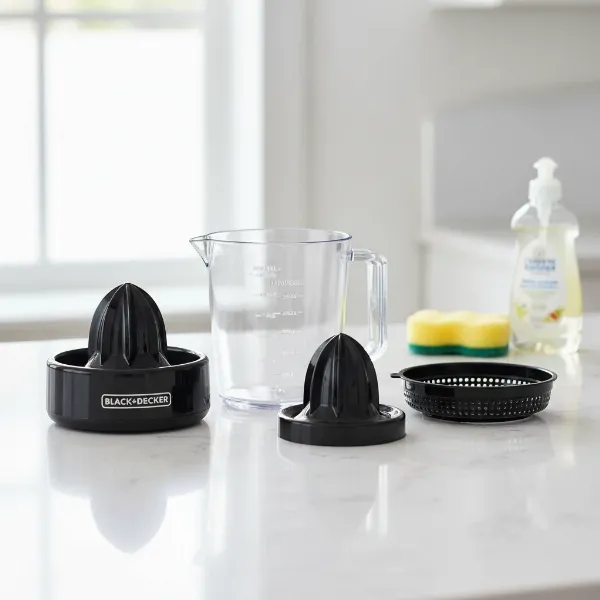
For a truly hands-on approach, or if you don’t own a specialized juicer, manual methods are surprisingly effective, especially with the right technique to avoid the pith. A simple handheld reamer or a manual citrus press works wonders.
To juice grapefruit manually:
- Halve the Fruit: Slice your grapefruit in half horizontally.
- Extract the Juice: Take one half and firmly press it onto the reamer, twisting and rotating until all the juice is extracted into a bowl or pitcher. If you don’t have a reamer, you can use a fork to break up the segments and squeeze, or even twist the grapefruit half around the base of a sturdy glass or ramkin for leverage.
- Strain if Desired: While manual methods naturally leave more pulp, a quick strain through a fine-mesh sieve will remove seeds and any unwanted fibrous bits, resulting in a cleaner juice.
This method, while requiring a bit more elbow grease, offers the satisfaction of fresh, handmade juice without the need for complex equipment.
A Detailed Guide to Pith-Free Grapefruit Juice Selection and Preparation
The journey to perfect grapefruit juice begins even before you start juicing. Careful selection and precise preparation are critical in preventing bitterness.
Choosing the Right Grapefruit
The quality of your fruit directly impacts the taste of your juice.
- Weight Matters: Always pick grapefruits that feel heavy for their size. This indicates a higher juice content.
- Firmness and Skin: Look for fruits with firm skin that are free from blemishes or soft spots. The skin should appear vibrant and healthy.
- Variety Selection: While all grapefruits can be juiced, pink varieties like Ruby Red or Star Ruby tend to be sweeter and less bitter than white grapefruits, making them excellent choices for juice.
The Art of Peeling and Pith Removal
This is arguably the most crucial step in making pith-free grapefruit juice.
- Top and Tail: Slice off both ends of the grapefruit, just enough to expose the fruit inside. This creates a stable base.
- Vertical Slices: Stand the grapefruit on one flat end. Using a sharp paring knife, carefully cut downwards, following the curve of the fruit, to remove the peel and the thick white pith in strips. Continue until all the peel and pith are gone. Take your time to ensure no white bits remain.
- Segmenting (Optional but Recommended for Blenders/Juicers): Once peeled, you can carefully cut between the membranes to release individual segments. This ensures no membrane (which can also contribute to bitterness) makes it into your juice, especially if using a blender or feeding into a juicer.
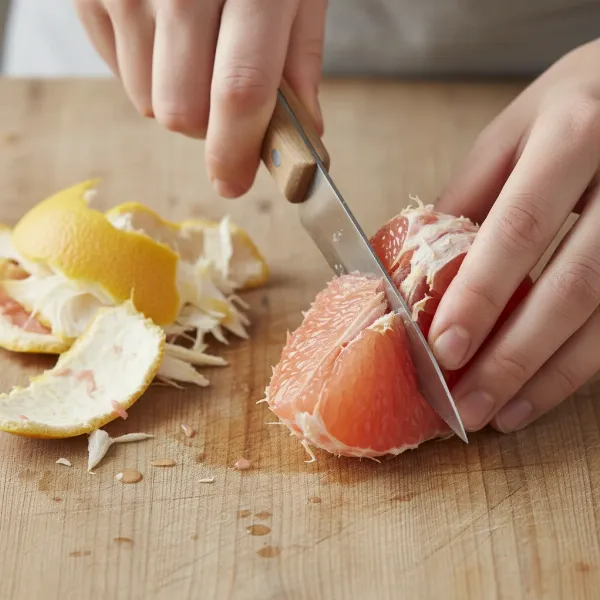 Close up of a hand carefully removing grapefruit pith with a knife on a cutting board.
Essential Tools for Pith-Free Juicing
Having the right equipment can significantly streamline your juicing process.
- High-Powered Blenders: Necessary for breaking down the fruit thoroughly before straining.
- Electric Juicers: Both masticating (slow juicers) and centrifugal (fast juicers) work well, provided the fruit is pre-peeled. Masticating juicers often yield more juice and preserve nutrients better.
- Manual Citrus Juicers/Reamers: Simple, effective tools for hand juicing.
- Fine-Mesh Strainers or Nut Milk Bags: Indispensable for removing pulp, seeds, and any tiny bits of pith for the smoothest possible juice.
Comparing Pith-Removal Techniques for Optimal Juice
Understanding the trade-offs between methods can help you choose the best approach for your needs.
| Method | Effort (Pith Removal) | Equipment Needed | Pith-Removal Effectiveness | Juice Yield | Texture (Post-Straining) |
|---|---|---|---|---|---|
| Blender + Strain | High (peeling/straining) | Blender, fine-mesh strainer/nut milk bag | Excellent | High | Smooth, pulp-free |
| Electric Juicer (pre-peeled) | Medium (peeling) | Electric Juicer | Excellent | Very High | Smooth |
| Manual Juicing | Low (halving) | Hand reamer/press, or just hands | Good (relies on straining) | Variable | Smooth (if strained) |
Top Tips for the Best Pith-Free Grapefruit Juice
Elevate your grapefruit juice from good to exceptional with these expert recommendations.
- Chill Your Fruit: Juicing cold grapefruit can enhance its refreshing quality and make it slightly easier to handle.
- Balance the Flavor: If your juice is still a little tart or bitter, a touch of natural sweetener like honey, maple syrup, or a few drops of stevia can balance the flavors. Diluting with a splash of filtered water can also mellow its intensity.
- Mix and Match: Grapefruit juice pairs beautifully with other citrus fruits. Try blending it with orange juice for a sweeter profile or a squeeze of lime for an extra zing.
- Proper Storage: Store freshly made grapefruit juice in an airtight container in the refrigerator. It’s best consumed within 2-3 days for optimal freshness and nutrient retention.
“The true essence of grapefruit juice is unlocked by a meticulous approach to pith removal. It’s a small effort that yields a significant difference in taste.” – Lan, Admin, Citrusjuicerr.com
Mastering Grapefruit Juice: Common Issues and Solutions
Even with the best intentions, you might encounter some common challenges.
- My Juice is Still Bitter: The most likely culprit is incomplete pith removal. Re-evaluate your peeling technique and ensure no white bits remain. Also, consider if you’re using a particularly tart grapefruit variety. Adding a natural sweetener or diluting can help.
- My Juice is Too Pulpy: If you prefer a completely smooth juice, ensure you’re using a very fine-mesh strainer or, even better, a nut milk bag to filter out all solids after blending or juicing.
- Low Juice Yield: This usually points to under-ripe or dry grapefruits. Select fruits that feel heavy and are firm to the touch, indicating higher water content. Ensure you’re thoroughly extracting juice during your chosen method.
Where to Find Quality Juicing Equipment
Investing in the right tools can make your pith-free juicing journey more enjoyable. You can find quality blenders, electric juicers, and manual Citrus Juicers at major appliance stores, kitchenware retailers, and a wide array of online marketplaces. When purchasing, look for models that emphasize ease of cleaning, durable materials, and positive user reviews regarding their efficiency in juicing citrus fruits.
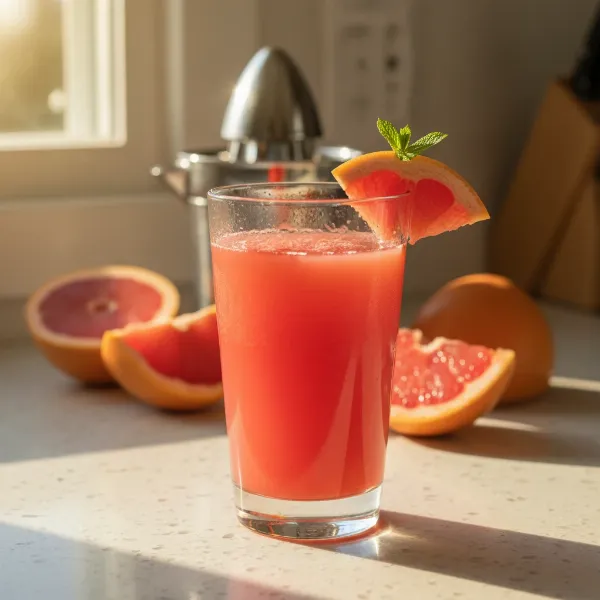 A glass of fresh grapefruit juice with halved grapefruits in a sunny kitchen.
Conclusion
Creating delicious, pith-free grapefruit juice is a rewarding culinary endeavor that transforms a potentially bitter experience into pure enjoyment. By understanding the importance of meticulous pith removal and choosing the right method—whether it’s blending, electric juicing, or manual extraction—you can consistently achieve a perfectly balanced and refreshing beverage. The small effort invested in preparation pays dividends in the unparalleled taste of homemade, clean grapefruit juice. So, arm yourself with a sharp knife, select your preferred juicing tool, and embark on a journey to grapefruit juice perfection. What fresh fruit combinations will you explore with your newfound pith-free juicing skills?
Frequently Asked Questions
Why is grapefruit pith bitter?
Grapefruit pith contains compounds called naringin and other flavonoids that are responsible for the characteristic bitter taste. While these compounds have health benefits, they are often undesirable in juice, leading to the focus on their removal.
Can I make grapefruit juice without any equipment?
Yes, you can make grapefruit juice without special equipment. By simply halving the grapefruit and using a fork or even just your hands to squeeze and twist, you can extract the juice. Straining through a fine sieve will then remove any seeds and most of the pulp.
How long does homemade grapefruit juice last?
Freshly made grapefruit juice is best consumed within 2 to 3 days when stored in an airtight container in the refrigerator. After this period, its flavor and nutritional value begin to degrade.
What’s the difference between blending and juicing grapefruit?
Blending grapefruit involves pulverizing the whole fruit (minus the peel and pith) into a thick liquid, which is then often strained. This method retains more fiber if unstrained. Juicing, on the other hand, extracts only the liquid from the fruit, leaving the pulp and fiber behind for a thinner, clearer juice. Both methods can be effective for making pith-free juice with proper preparation.