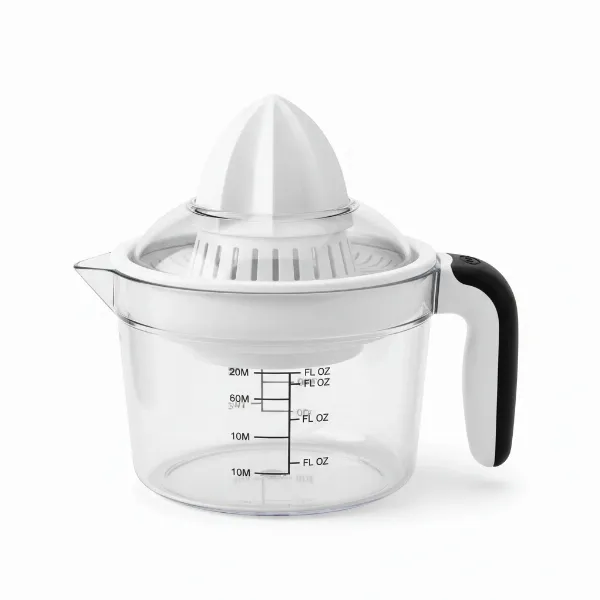
The vibrant, zesty flavor of fresh lime is undeniably refreshing, yet store-bought lime cordials often fall short, packed with artificial flavors and preservatives. Imagine crafting your own, bursting with authentic citrus aroma and tailored to your taste. With a reliable citrus juicer, transforming a pile of fresh limes into a gourmet cordial is not only simple but incredibly rewarding. This guide will walk you through the entire process, from selecting the right juicer to bottling your homemade masterpiece, ensuring every sip is a taste of pure, natural refreshment.
Why Homemade Lime Cordial is a Game-Changer
Stepping into the world of homemade lime cordial opens up a realm of superior taste and quality. Unlike their commercial counterparts, which can often taste flat or overtly sweet, homemade versions capture the bright, complex essence of fresh limes. You gain complete control over the ingredients, ensuring no artificial colors, flavors, or high-fructose corn syrup make their way into your drink. This control not only contributes to a purer taste but also allows you to adjust sweetness and tartness to your exact preference. Furthermore, if you often find yourself with an abundance of limes, making cordial is a cost-effective way to preserve their flavor, turning potential waste into a versatile pantry staple. From crafting exquisite cocktails like the classic Gimlet to simply enhancing a glass of sparkling water, the culinary applications of your fresh cordial are vast and inspiring.
Your Essential Tool: The Citrus Juicer
At the heart of any homemade lime cordial venture is a good citrus juicer. Given the quantity of juice typically required, an efficient juicer can significantly reduce effort and maximize yield. Understanding the different types available will help you choose the best one for your needs.
Types of Citrus Juicers for Cordial
- Manual Reamers: These are simple, often cone-shaped tools, typically made of wood, plastic, or ceramic. You press and twist a halved lime onto the reamer to extract juice. They are affordable and easy to clean, making them suitable for small batches or occasional use. However, they require more physical effort.
- Manual Presses (Handheld & Countertop): Handheld presses, often shaped like tongs, squeeze a lime half with strong leverage, extracting juice directly into a glass or bowl. Countertop presses use a lever mechanism to exert significant force, making juicing relatively effortless for larger quantities without electricity. Both offer good control over pulp.
- Electric Juicers (Reamer & Press Styles): These are the most convenient for making large batches of cordial. Electric reamer juicers feature a motorized cone that spins automatically when pressed with a lime. Electric press juicers offer a similar lever-operated pressing action but with motor-assisted power, ideal for juicing many limes quickly and efficiently with minimal physical strain.
Choosing the Right Juicer for You
When selecting a citrus juicer for your cordial-making adventures, consider a few key factors. If you anticipate making small quantities infrequently, a manual reamer or handheld press might suffice due to their affordability and compact size. For those planning regular batches or dealing with a significant harvest of limes, an electric juicer or a robust countertop manual press will save considerable time and effort. Look for models that are easy to disassemble and clean, as sticky lime residue can be stubborn. High-quality materials like stainless steel or durable BPA-free plastic will ensure longevity. Investing in a good juicer not only streamlines your cordial process but also enhances your ability to enjoy fresh citrus in countless other ways.
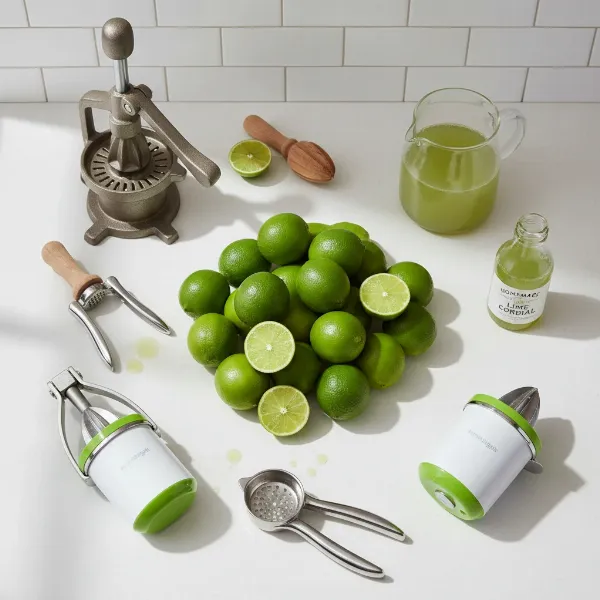 Various citrus juicers for making lime cordial, including manual and electric models, with fresh limes.
Crafting the Perfect Lime Cordial: A Step-by-Step Guide
Making homemade lime cordial is a straightforward process, but attention to detail can elevate your result from good to exceptional. Here’s a comprehensive guide to help you create a balanced and flavorful cordial.
Key Ingredients You’ll Need
- Fresh Limes: The star of the show! Choose firm, heavy, and brightly colored limes for maximum juice yield and intense flavor. Persian limes are commonly used, but Key limes offer a unique aromatic depth. Aim for organic if possible, especially since you’ll be using the zest.
- Granulated Sugar: Standard white granulated sugar works well. Fine castor sugar dissolves more easily if you’re using a no-cook method. The sugar acts as both a sweetener and a preservative.
- Water (Optional): Used in cooked methods to create a simple syrup base, or to dilute the cordial concentrate to your desired strength. Some traditional recipes omit water entirely for a more concentrated, syrupy cordial.
- Citric Acid (Optional): A natural acid found in citrus fruits, adding citric acid can enhance the tartness, brighten the flavor, and significantly extend the shelf life of your cordial. It’s especially useful in cooked methods for better preservation and balancing sweetness.
Preparing Your Limes for Juicing
Proper lime preparation is crucial for extracting the most flavor and juice while avoiding bitterness.
- Wash and Dry: Thoroughly wash your limes under cold water to remove any dirt or residues. Pat them completely dry before zesting.
- Zesting: This step is essential for capturing the aromatic oils from the lime peel, which contribute significantly to the cordial’s flavor complexity. Use a microplane zester for fine zest, or a vegetable peeler for broader strips. Be careful to remove only the green outer layer and avoid the white pith underneath, as the pith contains bitter compounds that can negatively impact your cordial.
- Rolling Limes: Before juicing, roll each whole lime firmly on a countertop for about 10-15 seconds. This technique helps break down the internal membranes, making it easier to extract more juice with your citrus juicer.
The No-Cook Method: Bright and Fresh
This method preserves the delicate, vibrant flavors of fresh lime, resulting in a cordial that tastes incredibly bright and natural.
- Zest Limes: Using a microplane, zest all your limes, being careful to avoid the bitter white pith. Set the zest aside.
- Juice Limes: Halve the zested limes and use your citrus juicer to extract the juice. For a smooth cordial, strain the juice through a fine-mesh sieve to remove any pulp and seeds.
- Combine Ingredients: In a large bowl, combine the freshly squeezed lime juice with an equal weight of granulated sugar. For example, if you have 500g of lime juice, use 500g of sugar. Stir in the reserved lime zest.
- Dissolve Sugar: Stir the mixture thoroughly until the sugar is mostly dissolved. This might take several minutes. The natural acidity of the lime juice will aid in dissolving the sugar.
- Steep and Rest: Cover the bowl with plastic wrap and let the mixture sit at room temperature for 24 hours. This crucial step allows the sugar to fully dissolve and the lime zest to infuse its aromatic oils into the cordial, deepening the flavor profile.
- Final Strain and Bottle: After resting, strain the cordial through a fine-mesh sieve or a piece of muslin cloth to remove the spent zest. Pour the finished cordial into sterilized bottles, seal them tightly, and refrigerate.
The Cooked Method: Enhanced Preservation
The cooked method, while involving a heating step, can yield a more shelf-stable cordial, often with a slightly different flavor profile. It’s an excellent option for long-term storage or if you prefer a smoother texture.
- Zest and Juice Limes: As with the no-cook method, zest your limes (avoiding pith) and then juice them using your citrus juicer. Strain the juice to remove pulp and seeds.
- Prepare Simple Syrup Base: In a saucepan, combine your sugar and water (a common ratio is 1 part water to 2 parts sugar, but adjust based on desired concentration). If you want to infuse extra zest flavor without steeping, you can add some lime zest to the syrup as it heats. Stir over medium heat until the sugar completely dissolves. Avoid bringing it to a rolling boil; just reach a simmer.
- Cool Syrup (Important!): Remove the saucepan from the heat and allow the simple syrup to cool completely to room temperature. Adding lime juice to hot syrup can diminish its fresh flavor.
- Combine: Once the syrup is cool, combine it with the fresh lime juice. If using, stir in citric acid at this stage. Start with a small amount (e.g., 1-2 teaspoons per liter of cordial) and taste, adding more if a brighter tartness or longer shelf life is desired.
- Bottle: Pour the finished cordial into sterilized bottles, seal tightly, and refrigerate.
Tips for the Best Homemade Lime Cordial
Achieving an outstanding lime cordial involves a few expert touches that can make all the difference.
- Lime Selection is Key: Always opt for fresh, ripe, and juicy limes. Limes that feel heavy for their size typically contain more juice. Allowing them to reach room temperature before juicing also helps maximize juice extraction.
- Zest Smart, Not Bitter: When zesting, aim for only the bright green outer layer. The white pith directly beneath the zest contains bitter compounds that can compromise your cordial’s flavor. A microplane is ideal for achieving fine zest without incorporating pith. For an even more intense zest flavor, consider blending the zest with a small amount of sugar until fragrant before adding it to your juice mixture; this helps release the aromatic oils.
- Adjust Your Sugar Ratio: While a 1:1 ratio of lime juice to sugar by weight is a common starting point, don’t be afraid to adjust it to your personal preference. If your limes are particularly tart, you might opt for slightly more sugar, or less if you prefer a bolder, less sweet cordial. Taste as you go, especially in the no-cook method after the sugar has dissolved.
- Sterilization is Non-Negotiable: For any homemade preserve, especially one intended for more than immediate consumption, sterilizing your bottles and lids is paramount. This prevents bacterial growth and significantly extends the shelf life of your cordial. Methods include boiling bottles in water, baking them in the oven, or using a sterilizing solution. Ensure all equipment coming into contact with the cordial is impeccably clean.
- Embrace the Taste Test: The best way to perfect your cordial is to taste it throughout the process. Before bottling, take a small sample, perhaps diluted with a bit of water, and assess its balance. Is it too tart? Too sweet? This is your last chance to make minor adjustments before sealing your delicious creation.
Storage and Shelf Life of Your Cordial
Proper storage is critical to maintaining the quality and safety of your homemade lime cordial. Without the commercial preservatives found in store-bought options, your cordial requires a little more care.
- Refrigeration is Essential: All homemade lime cordials, regardless of the method used, should be stored in the refrigerator once bottled. This slows down bacterial growth and helps maintain freshness.
- Expected Shelf Life:
- No-Cook Method: Cordials made without heat treatment or added citric acid generally have a shorter shelf life, typically staying fresh for about 2 weeks to 1 month in the refrigerator. The brighter, fresher flavor comes at the cost of reduced longevity.
- With Citric Acid/Cooked Method: The addition of citric acid or processing through a gentle heating method can significantly extend the shelf life. These cordials can often last for 3 to 4 months when stored continuously in the refrigerator. Some well-sealed, heat-processed cordials can even last up to 12 months in a cool, dark pantry before opening.
- Freezing for Long-Term Storage: For the longest possible preservation, lime cordial freezes exceptionally well. Pour the cordial into freezer-safe containers, leaving some headspace for expansion, and freeze for up to 6-12 months. Thaw in the refrigerator before use. This is a fantastic option if you’ve made a large batch or want to enjoy fresh lime cordial year-round.
- Signs of Spoilage: Always inspect your cordial before use. Signs of spoilage include a cloudy appearance, an off or fermented smell, or any visible mold. If you notice any of these indicators, it’s best to discard the batch.
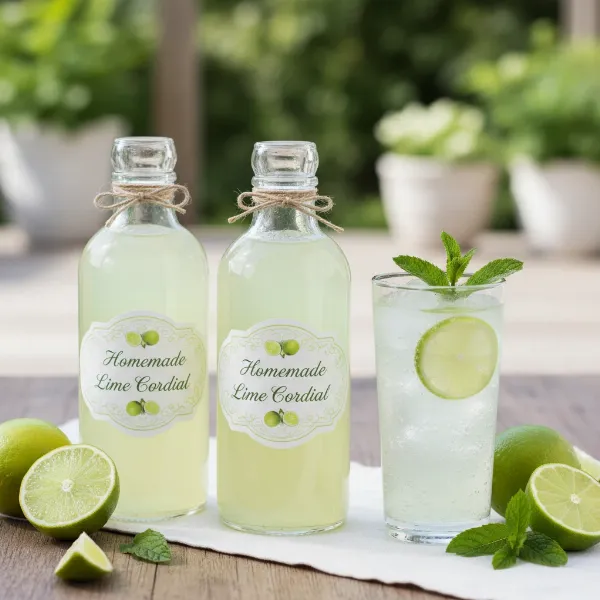 Homemade lime cordial in labeled glass bottles, with a refreshing drink made from the cordial and garnishes.
Creative Ways to Enjoy Your Lime Cordial
Once you’ve crafted your perfect batch of homemade lime cordial, the fun truly begins. Its versatile flavor makes it an indispensable ingredient for both cocktails and non-alcoholic beverages, as well as a secret weapon in the kitchen.
- Classic Cocktails: The most famous use for lime cordial is in a Gimlet. Simply combine gin or vodka with your homemade cordial for a refreshing and balanced drink. It also shines in other cocktails like a Southside (gin, lime cordial, mint) or can add a zesty twist to Margaritas and Daiquiris. Its concentrated flavor means a little goes a long way in elevating your mixology.
- Refreshing Drinks: For a delightful non-alcoholic option, simply mix a splash of lime cordial with sparkling water or club soda over ice. It creates an instant, sophisticated thirst-quencher far superior to store-bought sodas. You can also add it to iced tea for a citrusy kick, or use it as a base for homemade lemonade, blending it with water and a bit more fresh lemon juice if desired.
- Culinary Uses: Don’t limit your cordial to beverages! Its sweet-tart profile makes it a fantastic addition to various culinary creations. Drizzle it over fresh fruit salads, use it as a glaze for grilled chicken or fish, or incorporate it into salad dressings for a zesty uplift. You can also experiment with it in desserts, adding it to sorbets, jellies, or even as a simple syrup to moisten cake layers. The possibilities are truly endless, allowing your homemade cordial to infuse a burst of lime flavor into almost any dish.
Conclusion
Creating your own homemade lime cordial with a Citrus Juicer is a rewarding endeavor that brings unparalleled freshness and flavor to your home bar and kitchen. By choosing quality limes, harnessing the efficiency of your juicer, and following simple steps, you gain complete control over ingredients and taste, far surpassing anything found on store shelves. From its foundational role in classic cocktails to its refreshing presence in everyday drinks and surprising versatility in culinary applications, a bottle of homemade lime cordial is a testament to the power of fresh ingredients. So, embrace the zest, juice with purpose, and elevate your creations. What delicious concoction will you create next with your homemade lime cordial?
Frequently Asked Questions
What is the difference between lime juice and lime cordial?
Lime juice is simply the tart liquid extracted directly from limes. Lime cordial, on the other hand, is a sweetened and often slightly diluted lime juice concentrate, typically made with sugar, water, and sometimes citric acid. It’s designed to be mixed with other beverages and has a more balanced sweet-tart profile than raw lime juice.
Can I make lime cordial without citric acid?
Yes, you can absolutely make lime cordial without citric acid. Many popular no-cook recipes rely solely on lime juice, zest, and sugar. However, be aware that omitting citric acid will result in a shorter shelf life, typically around 2 weeks to 1 month in the refrigerator. Citric acid acts as a natural preservative and flavor enhancer.
How long does homemade lime cordial last?
The shelf life of homemade lime cordial varies based on the preparation method. A no-cook cordial without added preservatives usually lasts 2 weeks to 1 month in the refrigerator. With the addition of citric acid or if prepared using a cooked simple syrup method, it can last 3-4 months when refrigerated. For longer storage, lime cordial can be frozen for up to 6-12 months.
Can I use bottled lime juice for cordial?
While technically possible, using bottled lime juice for cordial is not recommended if you’re aiming for a high-quality, fresh-tasting product. Bottled juices often contain preservatives and lack the vibrant, complex flavor and aromatic oils that fresh lime juice and zest provide. The whole point of making homemade cordial is to capture that superior, natural taste.
What are the best limes to use for cordial?
The best limes for cordial are fresh, ripe, and juicy ones. Persian limes are widely available and produce a good quantity of juice with a bright flavor. Key limes, though smaller and more challenging to juice, offer a more aromatic and intensely floral profile that some prefer. Always choose limes that are firm, heavy for their size, and have smooth, unblemished skin.