Fresh lemon juice and zest are indispensable in baking, adding a bright, tangy counterpoint that elevates everything from delicate tarts to robust cakes. But getting every last drop of that liquid gold, free of seeds and pulp, can sometimes feel like a challenge. Whether you’re a casual home baker or a seasoned pastry enthusiast, having the right tools and techniques can make all the difference, ensuring your lemon-infused creations are consistently perfect. Let’s dive into the world of lemon squeezing, exploring the best tools and methods to master this essential baking skill.
Common Types of Lemon Squeezing Tools
When it comes to extracting juice from lemons, the market offers a variety of tools, each with its unique design and operational mechanism. Understanding these differences can help you select the ideal one for your specific baking needs.
Handheld Citrus Presses (Squeezers)
Table is empty.These popular tools typically feature two handles and a bowl-shaped receptacle where a halved lemon is placed, cut-side down. Pressure is applied by squeezing the handles together, forcing the juice through perforations while trapping seeds and most pulp. Made often from metal (like stainless steel or aluminum) or durable plastic, they are prized for their efficiency and ease of use for small to medium quantities.
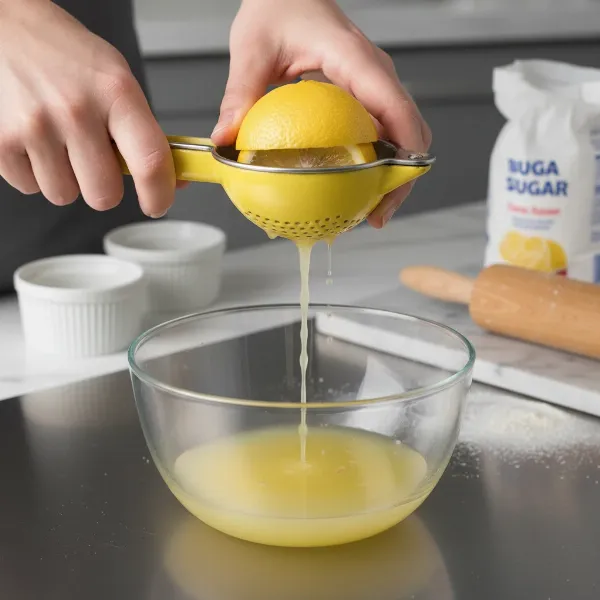 Person squeezing a halved lemon with a metal handheld citrus press, juice flowing into a bowl for baking.
Citrus Reamers (Manual)
A citrus reamer is a simpler, more traditional tool, often conical in shape with ridges. You cut a lemon in half, then press and twist it onto the reamer. The juice collects in a cup below or can be directly reamed over a bowl, requiring manual straining for seeds and pulp. Reamers come in various materials, including wood, plastic, and stainless steel, offering a straightforward, low-tech approach to juicing.
Electric Citrus Juicers
For those who frequently bake with lemons or require larger quantities of juice, an electric citrus juicer can be a game-changer. These appliances feature a motorized reaming cone that spins automatically when pressure is applied, effortlessly extracting juice. Many models come with different-sized cones to accommodate various citrus fruits and often include built-in strainers and collection pitchers, making them efficient for high-volume juicing.
Other Methods: By Hand or with a Fork
In a pinch, you can always rely on your hands. Simply cut a lemon in half and squeeze it directly over a bowl, using your fingers to catch seeds. For slightly more leverage, a fork can be inserted into the lemon half and twisted while squeezing, helping to break down the pulp and release more juice. While less efficient and more prone to mess, these methods prove handy when dedicated tools aren’t available.
Choosing the Right Lemon Juicer for Your Baking Needs
Selecting the perfect lemon juicer depends heavily on your baking habits and priorities. Considering a few key factors will guide you to a tool that genuinely enhances your kitchen experience.
Consider Your Usage
- Frequency of Baking: If you only use lemon juice occasionally for a single recipe, a simple handheld press or reamer might suffice. For bakers who regularly incorporate lemon into their creations, an electric juicer could be a worthwhile investment to save time and effort.
- Quantity of Juice Needed: Handheld tools are excellent for a few tablespoons, while manual presses can handle a few lemons at once. If you’re making large batches of lemonade or multiple lemon-heavy desserts, an electric model excels at processing many lemons quickly.
- Lemon Size: Some handheld presses are designed for specific citrus sizes (e.g., small limes or medium lemons). Look for versatile models or electric juicers with multiple reamer cones if you use a variety of citrus.
Key Features to Look For
- Material and Durability: Metal squeezers, particularly those made from stainless steel, are generally more durable and can withstand vigorous use over time. Plastic options are lighter and often more affordable but may not last as long.
- Ease of Cleaning: Baking often means a quick cleanup is desirable. Dishwasher-safe components are a major plus. Simple, few-part designs typically make manual washing quicker and easier.
- Efficiency and Juice Yield: The best tools are those that extract the maximum amount of juice with minimal effort. Look for designs that apply even pressure and effectively break down the lemon’s pulp.
- Ergonomics and Comfort: For manual tools, comfortable handles and a design that reduces hand strain are crucial, especially if you’re juicing multiple lemons. Heavy-duty lever-style manual presses can offer significant leverage.
- Seed and Pulp Control: Many juicers include integrated strainers or filters to keep seeds and excessive pulp out of your juice, providing a cleaner yield for your recipes without extra steps.
- Price and Brand: Manual juicers are generally more affordable, while electric models represent a higher initial investment. Reputable brands often offer better durability and customer support.
Maximizing Lemon Juice Extraction for Baking
Getting the most juice from each lemon isn’t just about the tool; it also involves clever preparation techniques that can significantly boost your yield and flavor.
Selecting the Best Lemons
Start with high-quality lemons. Choose those that are firm and heavy for their size, as this usually indicates they are full of juice. Avoid shriveled or light, spongy lemons, which may be past their prime. Ripe lemons are softer and juicier, and storing them at room temperature makes them easier to juice than cold ones.
Pre-Juicing Techniques
Before you even reach for your juicer, these simple tricks can help break down the lemon’s internal structure, allowing for greater juice release:
- Rolling: Gently press the lemon with the palm of your hand and roll it back and forth on a countertop for 10-15 seconds. This softens the fruit and breaks the juice vesicles inside.
- Microwaving: Pop a whole lemon in the microwave for 10-25 seconds on high. The heat helps to loosen the membranes and makes the juice flow more freely.
- Cutting Method: Some experts suggest cutting the lemon lengthwise (from stem to blossom end) rather than crosswise. This can expose more juice sacs, potentially increasing yield.
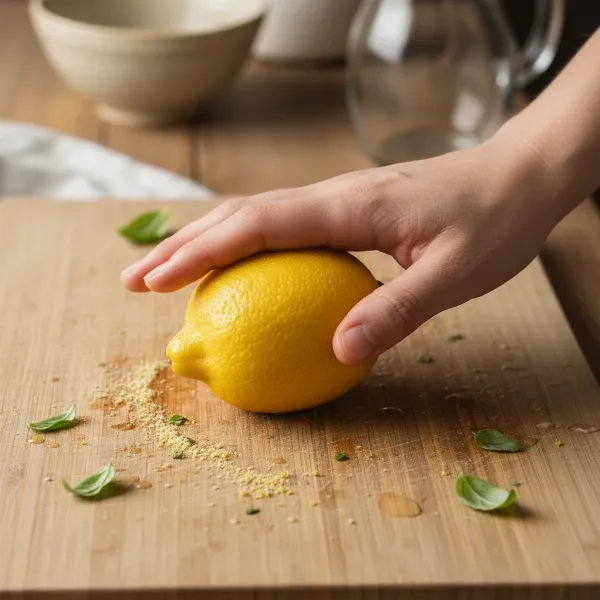 Hand rolling a whole lemon firmly on a wooden cutting board to soften it for maximum juice extraction.
Proper Juicing Techniques
No matter your tool, technique matters.
- For Handheld Presses: Place the lemon half cut-side down into the press. Squeeze firmly and steadily, ensuring all parts of the lemon are compressed.
- For Reamers: Press the lemon half firmly onto the reamer and twist vigorously, rotating the lemon to extract juice from all sections.
- For Electric Juicers: Simply place the lemon half onto the reaming cone and apply gentle pressure. The motor does the work, ensuring consistent juice extraction.
“For baking, it’s not just about the volume of juice, but the quality. Prepping your lemons with a quick roll or microwave blast truly unlocks their full potential.”
Top Lemon Squeezing Tools Recommended for Bakers
Based on efficiency, durability, and user experience, here are some of the best tools for juicing lemons for your baking endeavors.
Best Manual Handheld Presses
- Zulay Kitchen Metal Lemon Squeezer: Praised for its robust stainless steel construction and ergonomic handles, this press delivers maximum juice extraction with minimal effort. It effectively filters seeds and pulp, making it a favorite for everyday baking.
- Chef’n FreshForce Citrus Juicer: This innovative manual press features a gear mechanism that amplifies squeezing power, providing up to 20% more juice than traditional handheld models. It’s durable, comfortable to use, and easy to clean.
- OXO Good Grips Citrus Squeezer: Known for its sturdy build and comfortable non-slip handles, the OXO squeezer is reliable for extracting juice from various citrus sizes. Its efficient design ensures most seeds and pulp are caught.
Best Manual Reamers
- Williams Sonoma Citrus Reamer (Wooden): For those who appreciate classic design and simplicity, a high-quality wooden reamer is gentle on hands and effective for small quantities. It requires manual straining, but its natural feel is often preferred.
- OXO Good Grips 2-in-1 Citrus Juicer: This versatile tool combines a reamer with a measuring cup and strainer, making it a convenient all-in-one solution for measuring small amounts of juice while keeping seeds out.
Best Electric Citrus Juicers
- Breville Citrus Press Pro: A powerful and elegant machine, the Breville Citrus Press Pro is designed for serious bakers who need large quantities of juice. Its unique active-arm press ensures maximum extraction, and it handles all citrus sizes effortlessly.
- Black+Decker Citrus Juicer: A more budget-friendly electric option, this juicer offers convenience and decent performance for regular use. It typically comes with two reamer cones for different fruit sizes and an adjustable pulp control.
Comparison Table: Lemon Juicing Tools
| Feature | Manual Handheld Press | Manual Reamer | Electric Juicer |
|---|---|---|---|
| Power Source | Hand power | Hand power | Electricity |
| Juice Yield | High for single lemons | Moderate | High, especially for large batches |
| Effort | Moderate (requires hand strength) | High (can be tiring) | Low (motorized) |
| Speed | Moderate | Slow | Fast |
| Cleanup | Easy (often dishwasher safe, few parts) | Easy (few parts, manual straining needed) | Moderate (more parts, some not dishwasher safe) |
| Portability | High | High | Low |
| Cost | Low to Moderate | Very Low | Moderate to High |
| Best For | Small to medium batches, quick tasks | Small quantities, minimal space | Large batches, frequent juicing, consistency |
Tips for Using and Maintaining Your Lemon Juicer
Proper care and technique will not only ensure you get the best juice every time but also extend the lifespan of your tools.
Effective Usage Tips
- Warm Lemons: Always bring lemons to room temperature or warm them slightly before juicing for maximum yield.
- Cut Properly: Halve lemons cleanly across the middle for handheld presses and reamers. For an electric juicer, any clean half will do.
- Strain for Purity: Even with built-in strainers, for super smooth custards or glazes, a fine-mesh sieve can be used as an extra step to catch any stray pulp or seeds.
- Zest First: If your recipe calls for both zest and juice, always zest the whole lemon before cutting and juicing. It’s much easier on an intact fruit.
Cleaning and Storage
- Immediate Cleaning: Rinse your juicer immediately after use to prevent pulp and sticky juice from drying and hardening, which makes cleaning more difficult.
- Dishwasher Safe: Many manual presses and parts of electric juicers are dishwasher safe. Check your product’s instructions.
- Hand Washing: For wooden reamers or parts not suitable for dishwashers, wash with warm soapy water and dry thoroughly to prevent mildew or damage.
- Proper Storage: Store juicers in a clean, dry place. Manual tools are compact and can fit in drawers, while electric models might require dedicated counter or cabinet space.
Common Issues and Troubleshooting
- Low Juice Yield: Ensure your lemons are ripe and pre-warmed. Re-evaluate your squeezing technique or consider a more efficient tool.
- Too Much Pulp/Seeds: Check if your juicer’s strainer is properly in place or consider a model with a finer filter. For manual methods, always use a separate sieve.
- Hand Fatigue: If using manual tools for large quantities, switch to a lever-style press or an electric juicer to reduce strain.
Where to Buy Lemon Squeezers
Finding the right lemon juicer is easier than ever with numerous options available both online and in brick-and-mortar stores.
- Online Retailers: Websites like Amazon, Williams Sonoma, Sur La Table, and OXO’s official site offer a vast selection, often with detailed product descriptions and customer reviews to help you compare options.
- Kitchenware Stores: Local kitchen supply stores, department stores, and even some grocery stores carry a range of manual and electric juicers. Shopping in person allows you to feel the tool’s ergonomics and assess its build quality firsthand.
Always read reviews and compare features to ensure you’re getting a tool that meets your specific baking needs and budget.
Conclusion
Incorporating fresh lemon juice and zest into your baking adds an unparalleled vibrancy and depth of flavor. Whether you opt for a simple manual reamer, a powerful handheld press, or a convenient electric juicer, the right tool, combined with smart techniques, empowers you to extract every last drop of sunshine from your lemons. By considering your usage habits, prioritizing key features like durability and ease of cleaning, and employing pre-juicing tricks, you’ll consistently achieve perfect lemon-infused results in all your baked goods. What delightful lemon dessert will you create next?
Frequently Asked Questions
Can I use bottled lemon juice for baking instead of fresh?
While bottled lemon juice can be used, fresh lemon juice offers a brighter, more vibrant, and complex flavor profile that is generally superior for baking, especially in recipes where lemon is a prominent flavor. Bottled juice often contains preservatives and lacks the fresh aroma and subtle notes of real lemons.
How much juice does one lemon typically yield?
On average, one medium-sized lemon yields about 2 to 3 tablespoons (30-45 ml) of juice. However, this can vary based on the lemon’s size, ripeness, and the juicing method used. Larger, riper lemons, especially when pre-warmed and rolled, tend to yield more.
Is lemon zest more flavorful than lemon juice in baking?
Yes, lemon zest is significantly more flavorful than lemon juice in baking. The zest contains the lemon’s essential oils, which carry most of the intense citrus aroma and flavor. Lemon juice primarily provides acidity and some flavor, but the zest delivers a more concentrated and aromatic lemon essence without altering the recipe’s liquid or pH balance significantly.
How do I prevent seeds from getting into my lemon juice?
Most dedicated lemon juicers, especially handheld presses and electric models, come with built-in strainers or filters to catch seeds. If using a manual reamer or squeezing by hand, always strain the collected juice through a fine-mesh sieve to ensure a seed-free result for your baking.
Can I freeze lemon juice for later use in baking?
Absolutely! Fresh lemon juice freezes very well. You can pour it into ice cube trays, freeze until solid, then transfer the cubes to an airtight freezer bag or container. This allows you to have perfectly portioned fresh lemon juice on hand whenever your baking recipes call for it, without needing to juice lemons every time.