Freshly squeezed citrus juice elevates everything from your morning water to gourmet cocktails and vibrant marinades. While many kitchen gadgets promise to simplify juicing, the unassuming Mexican elbow juicer stands out for its efficiency, simplicity, and reliability. This handheld tool, a staple in kitchens and bars worldwide, offers a straightforward path to extracting every last drop of tangy goodness from your lemons, limes, and small oranges. If you’ve ever found yourself struggling with stubborn fruit or ending up with more mess than juice, mastering this classic tool can revolutionize your culinary routine. This guide will walk you through everything you need to know, from its clever design to expert squeezing techniques, ensuring you get the most out of every piece of citrus.
Understanding Your Mexican Elbow Juicer: Design and Mechanics
The Mexican elbow juicer, often simply called a citrus press or manual citrus squeezer, is an ingeniously designed tool that uses leverage to make juicing effortless. It typically consists of two hinged arms connected to two bowl-like halves. One half features a raised, ridged dome where the fruit is pressed, while the other half acts as a perforated basin with small holes at the bottom to allow juice to pass through while catching seeds and excess pulp.
Its design is deceptively simple but incredibly effective. When you place a halved citrus fruit into the basin and press the handles together, the leverage multiplies your effort. The dome pushes down into the fruit, inverting the rind and forcing the juice through the perforations. This mechanism ensures that you extract maximum liquid with minimal physical exertion, making it a favorite for quick tasks and consistent results without needing electricity or complex assembly.
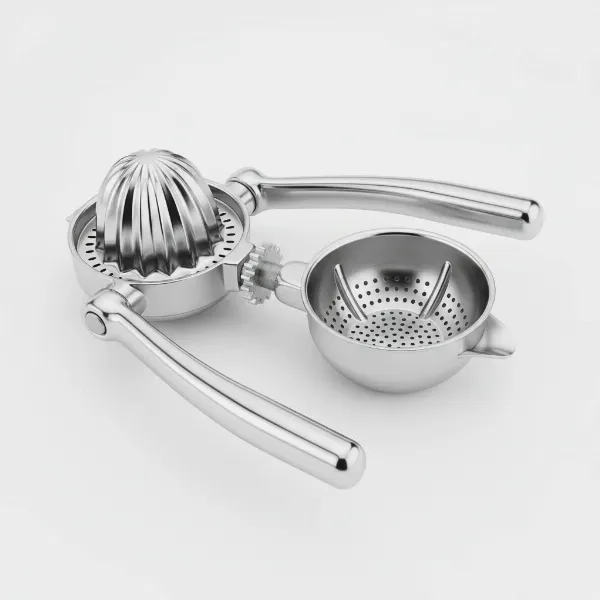 A detailed view of a Mexican elbow juicer, showing its hinged arms, domed press, and perforated basin.
Step-by-Step Guide: How to Use a Mexican Elbow Juicer
Using a Mexican elbow juicer correctly is key to maximizing your juice yield and keeping your kitchen mess-free. Follow these steps for perfect results every time:
-
Select and Prepare Your Fruit:
- Choose ripe, firm citrus fruits. Ripe fruit typically yields more juice.
- To soften the fruit and release more juice, gently roll it on your countertop with the palm of your hand for 10-15 seconds before cutting. You can also briefly microwave it for 10-20 seconds (for a medium lemon/lime) to achieve a similar effect.
- Cut your citrus fruit in half across the middle, not lengthwise. This exposes more of the juicy segments for efficient pressing.
-
Position the Fruit Correctly:
- This is arguably the most crucial step. Place one half of the cut citrus into the bowl of the juicer cut-side down. This means the exposed flesh of the fruit should be facing the small holes at the bottom of the juicer’s basin, and the rind (peel) should be facing upwards.
- Proper placement ensures that as you squeeze, the juice is pushed directly through the strainer holes, leaving seeds and unwanted pulp behind. Incorrect placement can lead to less juice and potential squirting.
-
Apply Pressure and Squeeze:
- Hold the juicer firmly with both hands, positioning it over a bowl, glass, or any container to catch the juice.
- Bring the handles together with firm, steady pressure. Squeeze until the two halves of the juicer meet or you feel significant resistance, indicating that most of the juice has been extracted. You’ll often hear the satisfying sound of juice flowing into your container.
-
Maximize Your Yield:
- For stubborn fruits or to ensure you’ve extracted every last drop, after the initial squeeze, you can briefly release the pressure slightly, rotate the fruit half a quarter turn, and squeeze again. This can help break down any remaining juice sacs.
- Repeat the process for the other half of your citrus fruit.
-
Safety First:
- Always direct the flow of juice into your intended container to prevent splashes and mess.
- Keep your fingers clear of the hinge and the pressing mechanism while squeezing to avoid pinching.
By following these simple steps, you’ll find that juicing with a Mexican elbow juicer is not only efficient but also surprisingly satisfying.
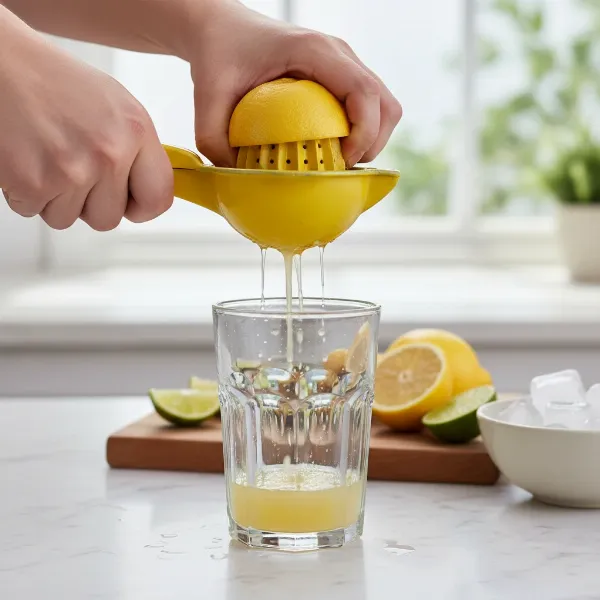 Hands holding a Mexican elbow juicer, actively squeezing a halved lemon, with juice flowing into a glass below.
Tips for Maximizing Juice Yield and Flavor
Getting the most out of your citrus isn’t just about the squeezing technique; it also involves smart preparation and a few clever tricks:
- Warm it Up: Citrus fruits yield more juice when they are at room temperature. If your lemons or limes are cold from the refrigerator, let them sit out for 15-30 minutes before juicing, or quickly microwave them as mentioned earlier. The warmth helps relax the fruit’s membranes, making it easier to extract liquid.
- Roll with It: Before cutting, roll the whole citrus fruit on a hard surface with gentle pressure from your palm. This action helps to break down the internal membranes and release the juice, resulting in a significantly higher yield.
- Cut Correctly: Always cut your fruit across the middle into two halves. Cutting lengthwise can make it harder for the juicer to get a good grip and extract all the juice.
- Choose the Right Size Juicer: Mexican elbow juicers come in different sizes, typically designed for limes, lemons, and small oranges. Using a lime juicer for a lemon might be a tight fit and reduce efficiency, while using a large orange juicer for a small lime could result in less effective squeezing. Match the juicer to your fruit for optimal performance.
- Firm, Steady Pressure: Don’t just crush the fruit. Apply a consistent, firm squeeze that gradually increases. This allows the juice to flow out rather than spraying erratically.
Common Mistakes to Avoid When Using a Mexican Elbow Juicer
Even with a simple tool like the Mexican elbow juicer, common pitfalls can reduce efficiency and lead to frustration. Being aware of these mistakes can help you get the most out of your juicing experience:
- Incorrect Fruit Placement (Cut-Side Up): A prevalent mistake is placing the fruit with the cut side facing up, into the domed part of the juicer. This forces the juice and pulp into the rind, making extraction difficult and often causing juice to squirt out in unexpected directions. Always place the fruit cut-side down into the perforated basin.
- Using Cold Fruit: As mentioned, cold citrus is stiff and less yielding. Attempting to juice cold fruit results in significantly less liquid extracted and requires much more effort.
- Cutting Fruit Lengthwise: Slicing a lemon or lime from stem to end rather than across its equator reduces the surface area available for pressing. This makes it harder for the juicer to extract juice effectively from all the segments.
- Insufficient or Overly Aggressive Squeezing: Not applying enough pressure leaves valuable juice behind. Conversely, squeezing excessively hard or twisting the fruit might force bitter pith oils into your juice, affecting the flavor. Aim for firm, consistent pressure.
- Using the Wrong Sized Juicer: Trying to squeeze a large lemon in a small lime juicer, or vice versa, will not yield good results. The fruit won’t fit properly, or the pressing mechanism won’t engage effectively. Invest in the appropriate size for the citrus you use most often.
- Not Cleaning Immediately: Leaving acidic juice residue on the juicer can lead to stickiness, corrosion, or staining over time, especially on metal models with enamel coatings.
Avoiding these common errors will ensure your Mexican elbow juicer performs optimally and lasts longer.
Cleaning and Maintaining Your Mexican Elbow Juicer
Proper cleaning and maintenance are essential for extending the life of your Mexican elbow juicer and ensuring it’s always ready for your next batch of fresh juice. Luckily, these simple tools are typically very easy to care for:
- Immediate Rinse: The best practice is to rinse your juicer immediately after each use. Fresh citrus juice is highly acidic and can become sticky or cause discoloration if left to dry on the metal. A quick rinse under warm running water can prevent this buildup.
- Warm, Soapy Water for Deep Cleaning: For a more thorough clean, wash the juicer with warm, soapy water. Use a small brush (an old toothbrush works well) to get into the perforations and crevices where pulp or seeds might hide.
- Check for Dishwasher Compatibility: Many modern Mexican elbow juicers, particularly those made from stainless steel or some durable plastics, are top-rack dishwasher safe. However, if your juicer is made from aluminum or has a painted/enameled coating, hand washing is usually recommended to prevent corrosion, chipping, or fading of the finish. Always check the manufacturer’s instructions if available.
- Dry Completely: After washing, it’s crucial to dry your juicer completely before storing it. Air drying is fine, but for metal juicers, a quick towel dry helps prevent water spots and potential rust, especially in humid environments.
- Proper Storage: Store your clean, dry juicer in a drawer or on a hook. Its compact design makes it easy to tuck away, ensuring it’s protected and ready for its next use.
By following these simple care tips, your Mexican elbow juicer will remain a reliable and sparkling addition to your kitchen arsenal for years to come.
Why Choose a Mexican Elbow Juicer? Benefits and Best Uses
In a market saturated with various juicing machines, the Mexican elbow juicer continues to hold its own, thanks to its distinct advantages:
- Efficiency and Speed: For small to medium quantities of juice, these manual presses are incredibly fast. There’s no assembly, no plugging in, and minimal parts to clean, making them ideal for a quick squeeze of lemon for a recipe or a lime for a cocktail.
- Durability and Simplicity: Most Mexican elbow juicers are made from sturdy materials like aluminum or stainless steel, designed to withstand years of regular use. Their simple mechanical design means fewer parts to break or wear out.
- No Electricity Required: This makes them perfect for outdoor use, camping, or simply when you want to avoid adding another electrical appliance to your counter. They are always ready to go.
- Better Flavor Control: Unlike some electric juicers that can extract bitter oils from the pith, the design of the Mexican elbow juicer focuses on pressing only the juicy flesh, resulting in cleaner, purer juice flavor.
- Minimal Mess: When used correctly, these juicers contain the seeds and pulp, directing a clean stream of juice into your container, keeping your hands and countertop tidy.
- Versatility: While excellent for lemons and limes, many models can also handle smaller oranges or tangerines, making them a versatile tool for various citrus needs.
Best Uses:
- Cocktails: An absolute must-have for bartenders who need fresh lime and lemon juice quickly for margaritas, mojitos, and other drinks.
- Everyday Cooking: Perfect for adding a splash of fresh citrus to dressings, sauces, marinades, and finishing dishes.
- Baking: Zest your citrus first, then use the juicer for recipes requiring fresh juice.
- Small Batches: Ideal when you only need a few tablespoons or a cup of juice, without the hassle of larger juicers.
“A well-designed Mexican elbow juicer isn’t just a tool; it’s an extension of the hand, providing immediate, fresh flavor that no bottle can replicate.”
Conclusion
The Mexican elbow juicer is a testament to the idea that simplicity often leads to superiority in the kitchen. By understanding its design and employing the correct techniques—particularly the crucial “cut-side down” placement and proper fruit preparation—you unlock its full potential, transforming your citrus juicing experience. This durable, efficient, and easy-to-clean tool is more than just a gadget; it’s a gateway to enhancing your culinary creations with the brightest, freshest flavors nature has to offer.
So, the next time your recipe calls for fresh citrus, reach for your Mexican elbow juicer with confidence. You’ll not only enjoy a superior result but also the satisfaction of mastering a timeless kitchen skill. What will be the first zesty creation you make with your perfectly squeezed juice?
Frequently Asked Questions
What’s the main difference between a Mexican elbow juicer and an electric juicer?
Table is empty.The Mexican elbow juicer is a manual, handheld tool that uses leverage to press juice from citrus halves, requiring no electricity. Electric juicers, on the other hand, are powered appliances that typically use a spinning reamer to extract juice, often more suitable for larger quantities and less manual effort.
Can I juice oranges with a Mexican elbow juicer?
Yes, but it depends on the size of the orange and the juicer. Mexican elbow juicers come in different sizes; while smaller ones are ideal for limes and lemons, larger models can accommodate small to medium oranges. Ensure the orange half fits comfortably into the juicer’s basin for effective extraction.
My juicer isn’t getting much juice; what could be wrong?
Common reasons include using cold fruit (warm or roll it first), incorrect fruit placement (always cut-side down), or insufficient pressure. Ensure your fruit is ripe, at room temperature, and cut across the middle, then squeeze with firm, steady pressure directly over a container.
How do I prevent seeds from getting into my juice?
The design of a Mexican elbow juicer includes perforated holes in the basin specifically to strain out seeds and larger pulp. By placing the fruit cut-side down, the seeds are contained within the inverted peel and caught by these holes, ensuring smooth, seed-free juice.
Is a metal or plastic Mexican elbow juicer better?
Metal Mexican elbow juicers (typically aluminum or stainless steel) are generally more durable, provide better leverage, and can withstand more pressure without breaking compared to plastic models. While plastic options are often lighter and more affordable, metal versions usually offer superior longevity and performance.
How do I clean sticky residue from my juicer?
To effectively clean sticky residue, rinse the juicer immediately after use to prevent buildup. For stubborn stickiness, use warm water with dish soap and a small brush to scrub the perforations and crevices thoroughly. Many metal juicers are also dishwasher safe for convenience.