There’s nothing quite like a refreshing glass of freshly made juice to kickstart your day or provide a midday boost. But the experience can quickly turn frustrating when your electric juicer suddenly stalls or refuses to start. A juicer stalling doesn’t always mean it’s broken beyond repair; often, it’s a common issue with a straightforward solution. Understanding the root causes behind your electric juicer’s reluctance to spin can save you time, money, and the disappointment of missing out on your nutritious beverages. This guide will walk you through the most common reasons your juicer might be stalling, offer practical troubleshooting steps, and provide essential tips to prevent future interruptions, ensuring your juicing routine remains smooth and enjoyable.
Understanding Common Causes of Juicer Stalling
An electric juicer stalling can be attributed to several factors, ranging from user error to minor mechanical or electrical glitches. Identifying the specific cause is the first step toward getting your appliance back in action.
Overloading and Overheating
Table is empty.One of the most frequent culprits behind a stalling juicer is simply asking too much of it. Feeding too much produce into the chute at once, or continuously running the machine for extended periods without a break, can overtax the motor. Modern electric juicers are often equipped with overheat protection mechanisms (like a thermal fuse) that automatically shut down the unit to prevent damage when the motor gets too hot. This safety feature is designed to protect your investment, even if it temporarily interrupts your juicing.
Improper Assembly and Safety Locks
Many electric juicers feature intricate safety lock mechanisms, particularly vertical models, that prevent operation if all components are not perfectly aligned and securely locked into place. These systems are crucial for preventing accidents and injuries. For instance, some juicers use magnetic sensors that must detect the presence of a magnet in the hopper or other parts before the motor will engage. If a component is slightly misaligned, or if a crucial part (like a magnet) is damaged, the juicer will refuse to start or will stall mid-operation.
Clogs and Jams from Produce
Fibrous fruits and vegetables are excellent for your health but can be tough on your juicer. Ingredients like celery, kale, ginger, or wheatgrass can easily get tangled around the auger or pulp ejection chute, causing a blockage. When too much pulp or fibrous material accumulates, it creates resistance that the motor struggles to overcome, leading to a stall. Overfilling the feed chute, not cutting produce into small enough pieces, or failing to alternate between hard and soft ingredients can exacerbate this problem.
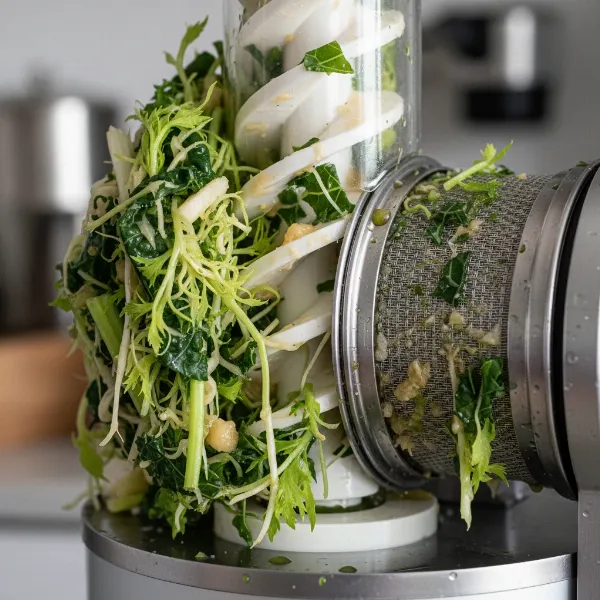 Close-up of a masticating juicer auger and screen clogged with fibrous fruit and vegetable pulp.
Electrical Malfunctions
While less common for a simple stall, underlying electrical issues can sometimes be the cause. This could range from a loose connection, a faulty power switch, or, in more severe cases, a blown internal fuse or a damaged capacitor. If your juicer isn’t receiving consistent power or if a critical electrical component fails, it will prevent the motor from running or cause it to cut out unexpectedly.
Worn or Damaged Components
Over time, parts of your juicer can experience wear and tear. A dull blade in a centrifugal juicer, a cracked screen, or a worn auger in a masticating juicer can all lead to reduced efficiency and increased strain on the motor. This added strain can cause the motor to work harder, heat up faster, and ultimately stall more frequently.
Step-by-Step Troubleshooting Guide
When your electric juicer stalls, don’t panic. Follow these systematic steps to diagnose and resolve the issue.
Check the Power Source and Reset
First, ensure your juicer is properly plugged into a functional power outlet. Sometimes, a loose plug or a tripped circuit breaker can be the simplest explanation. Try plugging another appliance into the same outlet to confirm it has power. If your juicer has a reset button, press it. If not, unplug the unit from the wall and wait at least 10-15 minutes (some recommend up to 30 minutes) to allow any internal thermal fuse to reset, especially if you suspect overheating. Then, plug it back in and try again.
Verify Assembly and Safety Locks
This is a critical step for many modern juicers. Disassemble your juicer completely, then reassemble it carefully, ensuring every part clicks securely into place. Pay close attention to any alignment arrows or indicators on the hopper, lid, and motor base. For vertical juicers, check the magnetic safety sensor, often located near the hopper. If you suspect the magnet in the hopper is damaged (e.g., from dishwasher heat), you can sometimes test the motor by holding a separate magnet near the sensor area on the base with the unit switched on and no hopper attached. If the motor starts, you likely need a new hopper.
Clear Clogs and Jams
If the juicer stalled while processing produce, it’s highly probable a jam is the culprit.
- Reverse Function: Many juicers have a “reverse” function. Engage this for 20-30 seconds to try and dislodge any stuck pulp. You might need to do this a few times.
- Disassemble and Clean: If reverse doesn’t work, unplug the juicer and carefully disassemble it. Remove all pulp and fibrous material from the auger, screen, pulp chute, and juice spout. A cleaning brush, often provided with the juicer, is essential for this. Ensure the screen is free of any trapped fibers.
Allow for Overheat Protection Reset
If your juicer stopped suddenly and feels warm to the touch, it likely entered overheat protection mode. As mentioned earlier, unplug the unit and let it cool down for a significant period (10-30 minutes). Once completely cool, plug it back in and attempt to juice again. Avoid immediately restarting, as this could lead to further thermal stress on the motor.
Inspect for Damaged Parts
While disassembled for cleaning, take a moment to inspect all components for visible damage. Look for:
- Cracks or chips: On the auger, juicing screen, or plastic housing.
- Bent parts: Especially the auger or any interlocking components.
- Worn seals or gaskets: These can affect performance and assembly.
If you find any significantly damaged parts, check your juicer’s manual for replacement options or contact the manufacturer’s customer service.
Consider Advanced Electrical Checks (with caution)
If none of the above steps work and you are comfortable with basic electrical work, you might consider checking the power switch or capacitor. However, this often requires opening the juicer’s motor base, which can void warranties and carries a risk of electrical shock. For most users, if the issue seems electrical and isn’t resolved by basic resets, it’s best to consult a professional or consider replacing the unit.
Preventive Measures to Keep Your Juicer Running Smoothly
Prevention is always better than cure. Adopting good juicing habits can significantly reduce the likelihood of your electric juicer stalling.
Proper Produce Preparation
- Cut into Smaller Pieces: Dice dense or fibrous fruits and vegetables into 1-2 inch chunks before feeding them into the chute. This reduces strain on the motor and helps prevent jams.
- Alternate Produce: When juicing a variety of ingredients, alternate between hard and fibrous produce and softer, watery fruits. For example, follow a handful of spinach with a piece of cucumber or apple to help push fibrous material through.
- Start with Softer Items: Begin your juicing session with softer fruits and non-leafy vegetables before moving on to tougher greens or root vegetables.
Don’t Overload the Feed Chute
Resist the urge to pack the feed chute with too much produce at once. Feed ingredients slowly and steadily, allowing the juicer to process each piece thoroughly before adding the next. Overfilling is a prime cause of immediate stalls and jams.
Regular and Thorough Cleaning
Clean your juicer immediately after each use. Pulp and fiber can dry and harden quickly, making them much more difficult to remove later and increasing the chance of future clogs. Disassemble all removable parts and rinse them under warm water, using the provided brush to scrub the screen and remove all residue.
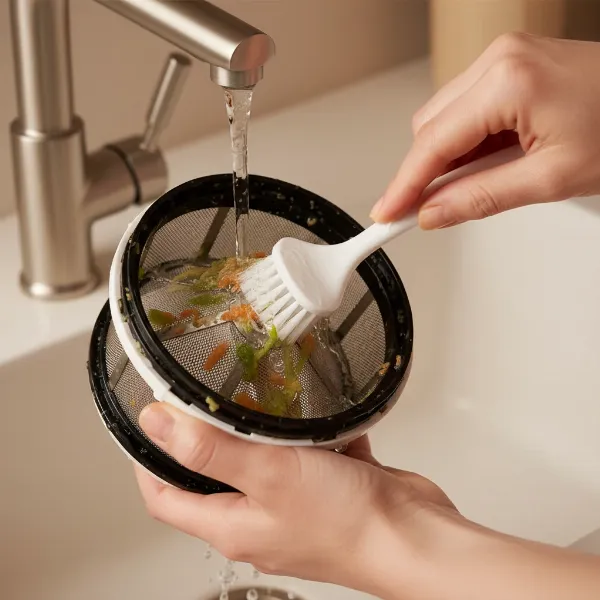 Person thoroughly cleaning a disassembled juicer screen with a small brush under running water.
Respect Recommended Run Times
Refer to your juicer’s user manual for recommended continuous run times. Most electric juicers are not designed for continuous, long-duration operation. Take short breaks during extended juicing sessions to allow the motor to cool down.
Proper Assembly Techniques
Always take a moment to ensure all parts are correctly assembled and locked into place before you begin juicing. A slight misalignment can prevent the juicer from starting or cause it to stop unexpectedly. Pay attention to any sounds or tactile feedback that indicate a secure fit.
When to Seek Professional Help or Replace Your Juicer
Sometimes, despite your best troubleshooting efforts, your electric juicer might still refuse to cooperate. If you encounter:
- Persistent Electrical Issues: Such as the juicer not powering on at all, or sparking/smoking.
- Motor Burning Smell or Loud Noises: These are strong indicators of significant internal motor damage.
- Major Component Damage: If a critical, non-replaceable part like the motor itself is broken.
- Repeated Stalling: Even after implementing all preventive measures.
In these situations, it’s often wise to seek professional repair or consider replacing your juicer. Weigh the cost of repair against the price of a new unit, especially if your juicer is older or if replacement parts are expensive. A professional technician can diagnose complex electrical or mechanical failures more accurately.
Conclusion
An electric juicer stalling can be a minor inconvenience or a sign of a deeper issue, but with a systematic approach to troubleshooting and consistent preventive maintenance, you can often resolve the problem yourself. By understanding common causes like overloading, improper assembly, and clogs, and by following simple steps to clear jams, reset safety features, and maintain your appliance, you can extend its lifespan and ensure consistent performance. Remember to prepare your produce carefully, clean your juicer diligently, and respect its operational limits. With these practices, you’ll continue to enjoy delicious, healthy, homemade juices for years to come. What fresh juice creation will you whip up next with your revitalized juicer?
Frequently Asked Questions
How do I reset my juicer after it overheats?
To reset an overheated juicer, first unplug it from the power outlet. Allow the unit to cool down completely for at least 10 to 30 minutes. This gives the internal thermal protection switch time to reset. Once cool, plug it back in, ensure all parts are correctly assembled, and then try starting it again.
Why does my juicer make a humming noise but not spin?
A humming noise without spinning often indicates that the motor is receiving power but something is preventing the auger or blade from moving. This is typically due to a severe jam from overloaded produce, a misaligned component engaging a safety lock, or, less commonly, a seized motor bearing or a faulty capacitor. Disassemble and thoroughly clean any obstructions first.
Can old or dry produce cause my juicer to stall?
Yes, using old, dry, or overly fibrous produce can increase the likelihood of your juicer stalling. Such ingredients extract less liquid and produce more dense pulp, which can quickly clog the juicing screen and pulp chute, creating excessive resistance for the motor and leading to jams.
Is it safe to force my juicer if it’s stalling?
No, it is generally not safe to force your juicer when it’s stalling. Forcing it can put undue stress on the motor, leading to permanent damage, blowing internal fuses, or even causing the motor to burn out. It’s best to stop the juicer, unplug it, and troubleshoot the cause of the stall to prevent further damage.
How often should I clean my juicer to prevent stalling?
You should clean your juicer immediately after every single use to prevent stalling. Lingering pulp and fiber can dry and harden, becoming very difficult to remove and creating blockages that will inevitably lead to jams and stalls during subsequent uses. A quick rinse and scrub after each session is key.
What are common signs that my juicer’s motor is failing?
Signs of a failing motor include a burning smell, unusually loud grinding or straining noises during operation, persistent stalling even with proper produce preparation and cleaning, or if the juicer powers on but the motor doesn’t spin at all despite being clear of obstructions and correctly assembled. These issues often warrant professional inspection.
Does the type of juicer (centrifugal vs. masticating) affect stalling issues?
Yes, the type of juicer can influence stalling issues. Centrifugal juicers, with their high-speed blades, are prone to stalling if too much hard produce is fed too quickly or if the pulp basket overflows. Masticating (slow) juicers are more susceptible to stalling from very fibrous produce getting wrapped around the auger or from overfeeding dense ingredients without proper preparation.