Hey there, fellow juice lover! Let’s talk about something that can quietly divide families and spark passionate debates over the breakfast table: pulp. You know what I’m talking about. That smooth, silky glass of orange juice versus its heartier, chewier cousin. For years, your choice was limited to what the carton said. But in the world of home juicing, you’re the master of your glass. Understanding What Are Different Pulp Settings on a citrus juicer is the key to unlocking your perfect, personalized cup of sunshine every single morning.
It’s one of those features that might seem small, but trust me, once you get the hang of it, you’ll wonder how you ever lived without it. It’s about more than just “bits” in your juice; it’s about controlling texture, flavor, and even the nutritional profile of your drink. So, grab a seat, and let’s peel back the layers on this fantastic feature.
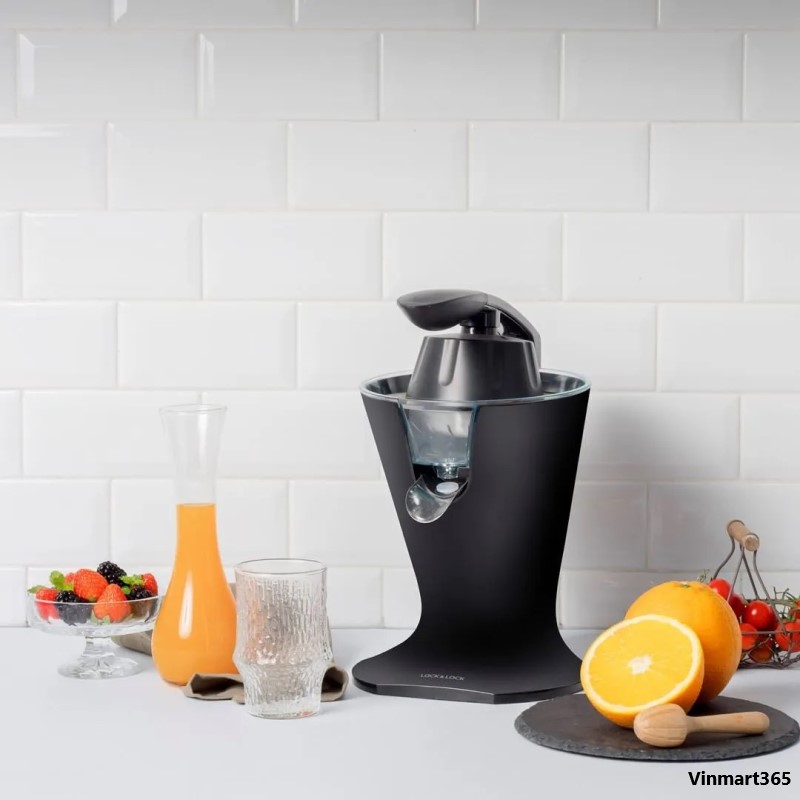
First, Let’s Talk Pulp: Friend or Foe?
Before we dive into the settings themselves, what exactly is pulp? In the simplest terms, pulp is the fleshy, fibrous stuff left over after the juice is squeezed from the fruit’s vesicles. It’s the structural part of the orange, lemon, or grapefruit.
For a long time, the “pulp vs. no pulp” debate was purely about texture preference. But as we’ve learned more about nutrition, we now know that pulp is a powerhouse of dietary fiber and flavonoids—beneficial plant compounds that often hang out in the fleshy parts of the fruit. So, while a smooth juice is delicious, a pulpy one packs an extra health punch. The beauty of a modern juicer is that you don’t have to choose a side; you can have it exactly your way, any day.
So, What Are Different Pulp Settings on a Juicer?
This is the heart of the matter. When you see a juicer advertising adjustable pulp control, it generally means it has a mechanism—usually a filter or strainer—that you can modify to let more or less solid material through into your glass. Most juicers offer a spectrum, typically broken down into three main levels.
The “No Pulp” or “Low Pulp” Setting
This is for the purists. The lovers of all things smooth. If you want a juice that’s clean, crisp, and silky, this is your go-to setting.
- How it works: This setting uses the finest mesh filter. The holes are tiny, catching almost all of the fibrous pulp and seeds, allowing only the liquid to pass through.
- Best for: People who dislike texture in their drinks, picky kids, or for use in recipes where you need pure, liquid citrus juice, like cocktails, marinades, or clear vinaigrettes. Think of it as the secret to a perfect mimosa or a professional-tasting lemon glaze.
The “Some Pulp” or “Medium Pulp” Setting
This is the crowd-pleaser, the “best of both worlds.” It delivers a traditional, fresh-squeezed orange juice experience that feels authentic without being overly thick.
- How it works: The filter is adjusted to have slightly larger openings. It still catches the seeds and the largest pieces of membrane but allows a pleasant amount of smaller pulp particles to flow into your juice.
- Best for: Everyday drinking. It provides a nice balance of smooth juice and healthy fiber, offering a richer mouthfeel than the “no pulp” option. This is my personal starting point whenever I’m trying a new fruit.
The “Lots of Pulp” or “High Pulp” Setting
For the pulp aficionados and health enthusiasts! This setting gives you a rustic, hearty, and incredibly fresh-tasting juice that’s as close as you can get to eating the fruit itself.
- How it works: This setting uses the widest openings in the filter, allowing a significant amount of pulp to mix in with the juice. It basically just stops the seeds and the toughest bits of membrane.
- Best for: Those who love the texture and want to maximize the fiber and nutritional benefits of their juice. It’s also great for adding body to smoothies or for use in recipes like orange-infused muffins where you want that extra zest and texture.
How Do Pulp Settings Actually Work? A Peek Under the Hood
It’s not magic, just clever engineering! Most citrus juicers with pulp control use one of two systems:
- Adjustable Strainer Baskets: The most common method involves a plastic or stainless steel strainer basket that sits beneath the reamer (the part that grinds the fruit). This basket has slots or holes. A lever or dial on the side of the juicer physically shifts a second layer or rotates the basket itself, effectively making the openings larger or smaller. It’s a simple, manual adjustment—like opening or closing blinds.
- Interchangeable Filters: Some models might come with a few separate, interchangeable filters. You’ll get a fine mesh filter for no pulp, a medium one, and a coarse one for lots of pulp. You simply swap them out before you start juicing.
Both methods achieve the same goal: giving you complete control over the final product.
Why Your Pulp Preference Matters More Than You Think
Choosing a pulp setting is about more than just “bits or no bits.” It directly impacts your entire juicing experience, from taste to health.
The Flavor and Texture Experience
Pulp fundamentally changes the mouthfeel of your juice.
- No pulp: Light, clean, and refreshing. The pure citrus flavor shines through without any textural interruption.
- Lots of pulp: Rich, thick, and satisfying. The pulp adds body and a chewy texture, making the juice feel more like a substantial part of your meal.
“Many people don’t realize that pulp also carries a lot of the aromatic oils from the fruit. A juice with more pulp can often have a more complex and robust flavor profile, closer to the experience of biting into the fresh fruit itself.” – Dr. Eleanor Vance, Nutritionist and Food Scientist.
The Nutritional Nitty-Gritty
This is where pulp really shines. The fibrous walls of the pulp are loaded with goodies. While the juice itself is packed with Vitamin C and other vitamins, the pulp contains:
- Dietary Fiber: Crucial for digestive health, helping you feel full and maintaining stable blood sugar levels.
- Flavonoids: Powerful antioxidants like hesperidin, which are concentrated in the pulp and pith of citrus fruits. These compounds have been linked to improved cardiovascular health and reduced inflammation.
By choosing a higher pulp setting, you are literally adding more of the fruit’s goodness back into your glass.
|
Our Picks for the Best Citrus Juicer in 2025
As an Amazon Associate, we earn from qualifying purchases.
|
||
| Num | Product | Action |
|---|---|---|
| 1 | Vinci Hands Free Electric Citrus Juicer, 1-Button Juicer Machine, Orange Lime Grapefruit Lemon Squeezer, Easy to Clean Orange Juicer Squeezer, Black/Stainless Steel |

|
| 2 | Vinci Hands Free Electric Citrus Juicer, 1-Button Juicer Machine, Orange Lime Grapefruit Lemon Squeezer, Easy to Clean Orange Juicer Squeezer, Black/Stainless Steel |
|
| 3 | Hurom H320 Cold Press Juicer Machine, Easy to Clean Masticating Slow Juicer, Coarse Strainers, Self-Feeding, Hands Free, Family Size, Quiet Motor, Easy Assembly (Kale/Dark Green) |
|
| 4 | BLACK+DECKER 32oz Electric Citrus Juicer, CJ625, Pressure Activated, Adjustable Pulp Control, Dishwasher-Safe |
|
| 5 | Chef\\\'n Freshforce Citrus Juicer (Lemon), 10.25 long |
|
| 6 | Hurom H400 Cold Press Juicer Machine, Award Winning Masticating Slow Juicer, Easy to Clean, Strainer & Hands Free with Self Feeding, Wide Mouth Hopper, Easy Assembly (White) |
|
| 7 | Juicer Machines with 5.4\\\" Large Feed Chute, 400W Cold Press Juicer for Whole Vegetables and Fruits, Slow Masticating juicer Easy to Clean Juice Extractor Machine High Juice Yield(Titanium Gray) |
|
| 8 | Cuisinart CCJ-500P1 Pulp Control Citrus Juicer, 1, Black/Stainless |
|
| 9 | Zulay Kitchen Cast-Iron Orange Juice Squeezer - Easy-to-Clean, Heavy-Duty, Professional Citrus Juicer - Stainless Steel Lemon Squeezer - Manual Citrus Press & Orange Squeezer - Orange Juicer (Black) |
|
| 10 | Elite Gourmet ETS740 BPA-Free Electric Citrus Juicer with 2 Cones, Compact, Large Volume, Pulp Control, Oranges, Lemons, Limes, Grapefruits with Easy Pour Spout, 1.2L, Black/Stainless Steel |
|
Versatility in the Kitchen
Your juicer isn’t just for breakfast. Understanding what are different pulp settings turns your juicer into a versatile kitchen tool.
- Baking: Need pure lemon juice for a delicate curd? Go with the “no pulp” setting.
- Sauces: Making a citrus-based BBQ sauce or a salsa? A medium pulp setting adds fantastic body.
- Smoothies: Want to boost the fiber in your morning smoothie? A high-pulp grapefruit juice makes a perfect, thick base.
Pro Tips from the Citrus JuicerR Kitchen
After years of juicing just about every citrus fruit imaginable, I’ve picked up a few tricks when it comes to pulp management.
- Start in the Middle: If you’re unsure, always start with the medium setting. It’s a great baseline, and you can easily decide if you want more or less pulp on your next go.
- Consider the Fruit: Different citrus fruits have different pulp textures. Grapefruit pulp is large and robust, while lime pulp is much finer. You might prefer a lower setting for grapefruit but a higher one for tangerines. Experiment!
- Cleaning is Key: More pulp means more fiber to clean from the filter. Always rinse your juicer’s strainer basket immediately after use. The pulp will wash right off. If you let it dry, it can be a bit stubborn. You can check out our
[link to a comprehensive guide on cleaning your juicer]for more tips.
Frequently Asked Questions (FAQ)
Q1: Does more pulp in my juice really mean it’s healthier?
A: Yes, generally speaking. The pulp contains a significant amount of the fruit’s dietary fiber and beneficial flavonoids. A higher pulp setting ensures more of these nutrients make it into your glass, which is great for digestion and overall health.
Q2: Can I get 100% pulp-free juice with a juicer’s “no pulp” setting?
A: It gets very close! The “no pulp” or “low pulp” setting uses a very fine filter that removes almost all of the solid material. You may find a few tiny particles, but the result is an overwhelmingly smooth, commercially comparable pulp-free juice.
Q3: Are juicers with adjustable pulp settings harder to clean?
A: Not at all. The cleaning process is the same. The only difference is that a high-pulp setting will leave more fibrous material in the filter basket. Rinsing the parts right after you’re done juicing prevents anything from sticking, making cleanup a breeze.
Q4: Do all electric citrus juicers have adjustable pulp settings?
A: No, not all of them do. It’s a premium feature typically found on mid-range to high-end models. Basic, entry-level juicers often have a single, non-adjustable filter. If pulp control is important to you, make sure to check for this feature in the product specifications before buying.
Q5: What is the best pulp setting for making classic orange juice?
A: This is purely a matter of personal taste! However, the “some pulp” or medium setting is generally the most popular as it mimics the taste and texture of traditional, hand-squeezed orange juice that many people know and love.
Your Juice, Your Rules
At the end of the day, the perfect glass of juice is the one that you love the most. Understanding what are different pulp settings gives you the power to be your own juice artisan. You can craft a silky-smooth lime juice for a key lime pie, a hearty, fiber-filled grapefruit juice to kickstart your day, or that perfect glass of “just right” orange juice for the whole family.
It’s a simple feature that offers a world of customization, allowing you to tailor every single glass to your mood, your recipe, or your health goals. So go ahead, embrace the pulp—or don’t! The choice is finally, and deliciously, all yours.