Ever tried to squeeze a lime for that perfect margarita or a zesty guacamole, only to end up with sticky fingers, rogue seeds in your mix, and a depressingly small puddle of juice? We’ve all been there. It’s a frustrating moment that makes you wonder if there’s a better way. Well, let me introduce you to the unsung hero of the kitchen and the bar cart. So, What Is A Lime Press? In short, it’s the simple, elegant tool that will completely change your citrus game forever. It’s not just a gadget; it’s your ticket to effortless, pulp-free, seedless juice every single time.
So, What Is a Lime Press, Really?
At its core, a lime press is a handheld manual juicer designed specifically for limes and other small citrus fruits. Think of it as a specialized, heavy-duty garlic press but for citrus. It typically consists of two handles hinged together, with a perforated bowl on one side to hold the fruit and a convex lid on the other that presses down into it. The design leverages simple physics—force and leverage—to extract a surprisingly high amount of juice with minimal effort.
I remember my pre-lime-press days, trying to host a taco night. My hands were aching, covered in acidic juice, and I spent more time picking tiny seeds out of the salsa than I did actually enjoying the party. The day I got my first proper lime press, it was a revelation. A simple squeeze, and bam—a stream of pure, unadulterated lime juice. No mess, no seeds, no fuss.
Why a Simple Squeeze Isn’t Good Enough
You might be thinking, “I can just squeeze it with my hands, right?” Sure, you can. You can also chop onions with a butter knife, but why would you? A lime press isn’t about doing something you can’t do by hand; it’s about doing it better.
- Maximum Juice Yield: A good press extracts significantly more juice than hand-squeezing. It breaks down the pulp and membranes more effectively, releasing every last drop of liquid gold.
- No More Seeds or Pulp: The built-in strainer holes are perfectly sized to let the juice flow through while holding back all the unwanted bits. Your cocktails and dishes will be smooth and professional.
- Cleanliness is Key: Say goodbye to juice spraying all over your countertop and your clothes. A lime press directs the juice exactly where you want it—into the bowl or glass.
- Efficiency and Speed: Need to juice a dozen limes for a batch of margaritas? A lime press turns a ten-minute sticky ordeal into a one-minute task.
As culinary tool specialist Dr. Avery Collins puts it, “The lime press is a perfect example of purpose-built design. It solves a very specific problem with such efficiency that once you use one, you’ll wonder how you ever managed without it. It optimizes for flavor extraction and user convenience.”
The Different Kinds of Lime Presses on the Block
While the concept is simple, not all citrus presses are created equal. Let’s break down the main categories you’ll encounter.
The Classic Handheld Squeezer (The “Mexican Elbow”)
This is the most common type of lime press and likely what comes to mind first. It’s the two-handled, hinged device that’s popular in both home kitchens and professional bars worldwide. They are prized for their simplicity, portability, and effectiveness. They come in various materials, from enameled aluminum to polished stainless steel.
- Pros: Inexpensive, easy to store, simple to use, and quick to clean.
- Cons: Requires a decent amount of hand strength, especially for firmer fruits.
The Countertop Lever Press
If you’re a serious juice enthusiast or run a small cafe, the lever press is a major step up. This is a larger, stationary device where you place the fruit on a base and pull down a long handle. The immense leverage makes juicing utterly effortless and yields an incredible amount of juice.
- Pros: Requires almost no physical effort, provides the highest possible juice yield, and has a very professional feel.
- Cons: Much larger, heavier, more expensive, and takes up valuable counter space.
Electric Citrus Juicers: The Power Players
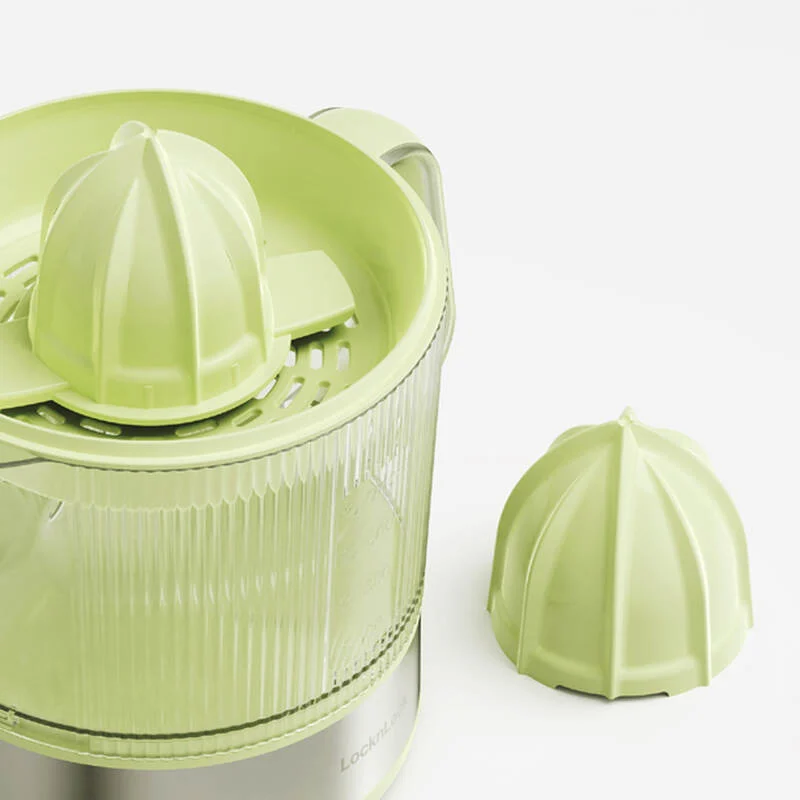
For those who need to juice a whole bag of oranges for breakfast alongside their limes, an electric juicer is the answer. These feature a motorized reamer that you press the halved citrus onto. While not technically a “press,” they serve a similar purpose for high-volume tasks. They are overkill if you just need a lime for a cocktail, but a fantastic tool for broader citrus needs. If you want to learn more, check out our guide to the best electric citrus juicers.
| Feature | Handheld Press | Lever Press | Electric Juicer |
|---|---|---|---|
| Best For | Daily use, cocktails, small batches | High-volume juicing, juice bars | All citrus, large quantities |
| Effort | Moderate | Very Low | Minimal |
| Price | $ | $$ | $$$ |
| Size | Small, fits in a drawer | Large, countertop | Medium, countertop |
| Yield | Good | Excellent | Excellent |
How to Pick the Perfect Lime Press for You
Choosing the right tool can feel daunting, but it boils down to a few key factors. Think about how you’ll use it, and the choice becomes clear.
Material Matters: Metal vs. Plastic
The material of your lime press directly impacts its durability and performance.
- Stainless Steel: This is the gold standard. It’s incredibly durable, won’t rust or react with the acidic juice, and is usually dishwasher safe. It’s a buy-it-for-life kind of tool.
- Coated Aluminum: Many popular models are made of cast aluminum with a colorful enamel or powder coating. They are lightweight and work well, but be wary of cheap versions where the coating can chip over time, exposing the metal underneath.
- Plastic: While generally less durable, high-quality BPA-free plastic presses can be a good budget option. They are lightweight but may stain over time and can crack under heavy pressure.
Design and Ergonomics: It’s All in the Grip
A tool is only as good as how it feels to use. Look for handles that are comfortable to hold and provide a good grip. A slightly longer handle can give you more leverage, making it easier to press. Also, check the size of the bowl—it should be large enough to comfortably fit a halved lime or a small lemon.
The Clean-Up Crew: Is It Dishwasher Safe?
Let’s be honest, no one enjoys cleaning up. A dishwasher-safe lime press is a huge convenience. Most stainless steel and some coated models can be tossed right in the top rack. For handwashing, a simple rinse under hot water right after use is usually all it takes to prevent sticky residue.
|
Our Picks for the Best Citrus Juicer in 2025
As an Amazon Associate, we earn from qualifying purchases.
|
||
| Num | Product | Action |
|---|---|---|
| 1 | Chef\\\'n Freshforce Citrus Juicer (Lemon), 10.25 long |

|
| 2 | BLACK+DECKER 32oz Electric Citrus Juicer, CJ625, Pressure Activated, Adjustable Pulp Control, Dishwasher-Safe |
|
| 3 | Hurom H320 Cold Press Juicer Machine, Easy to Clean Masticating Slow Juicer, Coarse Strainers, Self-Feeding, Hands Free, Family Size, Quiet Motor, Easy Assembly (Kale/Dark Green) |
|
| 4 | Cuisinart CCJ-500P1 Pulp Control Citrus Juicer, 1, Black/Stainless |
|
| 5 | Hurom H400 Cold Press Juicer Machine, Award Winning Masticating Slow Juicer, Easy to Clean, Strainer & Hands Free with Self Feeding, Wide Mouth Hopper, Easy Assembly (White) |
|
| 6 | Vinci Hands Free Electric Citrus Juicer, 1-Button Juicer Machine, Orange Lime Grapefruit Lemon Squeezer, Easy to Clean Orange Juicer Squeezer, Black/Stainless Steel |
|
| 7 | Zulay Kitchen Cast-Iron Orange Juice Squeezer - Easy-to-Clean, Heavy-Duty, Professional Citrus Juicer - Stainless Steel Lemon Squeezer - Manual Citrus Press & Orange Squeezer - Orange Juicer (Black) |
|
| 8 | Elite Gourmet ETS740 BPA-Free Electric Citrus Juicer with 2 Cones, Compact, Large Volume, Pulp Control, Oranges, Lemons, Limes, Grapefruits with Easy Pour Spout, 1.2L, Black/Stainless Steel |
|
| 9 | Vinci Hands Free Electric Citrus Juicer, 1-Button Juicer Machine, Orange Lime Grapefruit Lemon Squeezer, Easy to Clean Orange Juicer Squeezer, Black/Stainless Steel |
|
| 10 | Juicer Machines with 5.4\\\" Large Feed Chute, 400W Cold Press Juicer for Whole Vegetables and Fruits, Slow Masticating juicer Easy to Clean Juice Extractor Machine High Juice Yield(Titanium Gray) |
|
Getting the Most Juice: Using Your Lime Press Like a Pro
You’ve got your press. Now, how do you unlock its full potential? Follow these simple steps for maximum juice extraction.
- Prep Your Lime: Before cutting, roll the lime firmly on your countertop for 10-15 seconds. This helps break down the membranes inside and preps it for juicing.
- Cut It Correctly: Slice the lime in half widthwise (from side to side, not from end to end).
- Place It Properly: This is the step most people get wrong! Place the lime half into the bowl with the cut-side facing down. It seems counterintuitive, but this allows the press to turn the lime inside out, forcing all the juice and essential oils from the peel out through the holes.
- Squeeze with Confidence: Bring the handles together and squeeze firmly and steadily. You’ll see a beautiful stream of pure juice pour out.
- Enjoy: That’s it! You now have perfect, fresh lime juice for whatever you’re making.
Beyond the Glass: Creative Uses for Your Lime Press
A lime press isn’t just for cocktails. Its utility extends all across the kitchen.
- Zesty Vinaigrettes: Fresh lime juice is the base for incredible salad dressings.
- Flavorful Marinades: Use it to tenderize and flavor chicken, fish, or steak for fajitas or grills.
- Baking Brilliance: Essential for key lime pie, lime bars, and glazes.
- Finishing Touch: A quick squeeze over tacos, soups, or grilled vegetables brightens up the entire dish.
Frequently Asked Questions
Q: Can I use a lime press for lemons?
A: Absolutely! Most lime presses are large enough to fit small to medium-sized lemons. For larger lemons or oranges, you might need a dedicated lemon or orange squeezer, but for the average lemon, your lime press will work just fine.
Q: What is the best way to clean a lime press?
A: The best way is to rinse it under warm, running water immediately after use. This prevents the sugary juice from drying and becoming sticky. For a deeper clean, most high-quality metal presses are top-rack dishwasher safe.
Q: Is a stainless steel lime press better than an aluminum one?
A: Generally, yes. Stainless steel is more durable, non-reactive, and less prone to chipping or breaking than coated aluminum. It’s often a heavier, more premium tool, but it will last a lifetime.
Q: What is the difference between a lime press and a reamer?
A: A lime press uses compression to squeeze the juice out, turning the lime half inside out. A reamer is a pointed tool that you twist into the fruit’s flesh to break it up and release the juice. Presses are generally more efficient and less messy.
Q: How do I get the most juice out of a hard, dry lime?
A: If your lime is a bit stubborn, try microwaving it for about 10-15 seconds before rolling and cutting it. This helps to loosen it up and will make juicing much easier.
Your New Favorite Kitchen Tool Awaits
So, what is a lime press? It’s a simple, powerful, and indispensable tool that elevates your cooking and drink-making from amateur to pro. It saves you time, reduces mess, and ensures you get every last drop of flavorful juice from your citrus. It’s a small investment that pays huge dividends in flavor and convenience. Stop struggling with sticky hands and pesky seeds, and embrace the simple perfection of a lime press. Your taste buds will thank you.