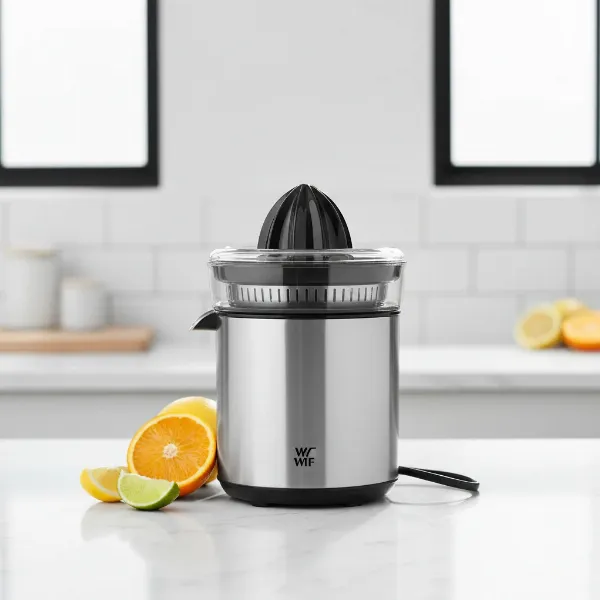
There’s nothing quite as disappointing as expecting a burst of fresh, vibrant fruit flavor and instead being met with a sharp, metallic tang in your mouth. You’ve gone through the effort of selecting ripe produce and firing up your juicer, only for the end result to fall short. This unpleasant metallic taste can turn your refreshing glass of juice into a puzzling culinary mystery. But don’t worry, you’re not alone, and this common issue is often easily fixable. With over a decade of experience diving deep into the world of juicers, especially citrus models, I understand the nuances that contribute to the perfect glass of juice. Let’s explore the surprising reasons behind that metallic taste and arm you with practical solutions to ensure every sip is pure delight.
The Subtle Science Behind the Metallic Tang in Your Juice
Before we point fingers at your juicer, it’s helpful to understand a few scientific culprits that can contribute to that unwanted metallic sensation, some of which are inherent to the fruit itself or how juice interacts with its environment.
Natural Compounds: The Nomilin Factor
Table is empty.Did you know that certain compounds naturally present in citrus fruits can sometimes impart a bitter and metallic taste? One such compound is Nomilin. While generally found in lower concentrations than other bitter compounds like limonin, Nomilin can still play a role in the overall flavor profile, especially if other factors are at play. It’s a subtle contributor, but understanding its existence helps us appreciate the complexity of fruit chemistry.
The Impact of Oxidation: When Air Attacks Flavor
Oxidation is a primary enemy of fresh juice flavor. When juice is exposed to air, particularly during the juicing process or improper storage, the delicate compounds within it begin to break down. This chemical reaction can quickly alter the taste, leading to stale, off-flavors, and sometimes even a metallic perception. High-speed blenders or centrifugal juicers, which incorporate a lot of air, can accelerate this process, giving your juice a shorter window of peak freshness before its flavor starts to degrade. Even commercially packaged juices combat oxidation by removing oxygen during storage to preserve flavor.
 Freshly squeezed juice undergoing oxidation, showing changes in color and bubbles from air exposure.
Your Juicer’s Role: A Metallic Suspect?
Often, the source of that metallic taste can be traced back to your juicer or the way you handle it. The interaction between acidic fruit juice and certain materials can be a significant factor.
Material Matters: The Juicer Components
Modern juicers are typically designed with food-grade stainless steel or durable plastics that are generally safe and non-reactive with most fruits. However, not all metals are created equal. Highly acidic juices, especially from citrus, can react with certain metals, particularly if they are older, scratched, or made from lower-quality alloys. This chemical reaction can leach trace amounts of metal into your juice, leading to that distinct metallic taste. It’s a key reason why many experts recommend avoiding metal containers or utensils when storing or serving fresh juice, opting instead for glass, plastic, or ceramic.
“The materials your juicer components are made from, and their condition, are paramount. Even small scratches on metal parts can become reactive surfaces for acidic juices, subtly altering flavor.” – Lan, Admin, citrusjuicerr.com
Maintenance and Cleanliness: Beyond Just Appearances
A clean juicer isn’t just about hygiene; it’s about taste. Old residue, dried pulp, or mineral deposits can build up on juicer parts, especially in hard-to-reach crevices. These residues can become rancid or reactive, contaminating your fresh juice with off-flavors, including a metallic note.
Furthermore, worn-out parts can also be an issue. If your juicer’s blades or pressing elements are dull or misaligned, they might scrape against other components or even the fruit peel more aggressively, potentially introducing unwanted particles or causing further oxidation. Regularly inspecting and cleaning your juicer, and replacing worn parts, is crucial for maintaining optimal flavor.
Juicer Type and Technique: The Extraction Effect
The type of juicer you use and your juicing technique can significantly influence flavor.
- Fast Juicers vs. Slow Juicers: Centrifugal juicers (fast juicers) extract juice quickly but often incorporate more air, leading to faster oxidation. Masticating juicers (slow juicers), on the other hand, process fruit at lower speeds, minimizing air exposure and yielding juice that often lasts longer and retains its flavor better.
- Aggressive Juicing: Especially with citrus, applying too much pressure or using a juicer that grinds too deeply into the fruit’s peel can introduce bitter oils and pith into your juice. While often described as “bitter,” this intense, harsh flavor can sometimes be perceived as metallic or simply contribute to an overall unpleasant “off” taste.
Fruit Matters: From Orchard to Glass
The quality and preparation of your fruit are foundational to great-tasting juice. Even the best juicer can’t compensate for subpar ingredients.
Selecting the Right Fruit: Quality is Key
- Ripeness: Use firm, ripe fruit. Overly ripe fruit can be mushy and ferment faster, leading to off-flavors, while under-ripe fruit might lack sweetness and have more pronounced bitter notes.
- Sound Skins: Fruit with damaged or soft skins is more prone to releasing excess peel oil when pressed, which, as mentioned, can contribute to bitterness and other unwanted flavors.
The Peel and Pith Predicament
This is particularly crucial for citrus fruits. The outer zest contains aromatic oils, while the white pith beneath is where many bitter compounds reside.
- Peel Oil: When zest is scraped or squeezed too hard, tiny oil droplets can end up in your juice. These oils carry harsh, pithy flavors that can easily overpower the fruit’s natural sweetness, creating a bitter or even metallic sensation.
- Enclosed Squeeze Systems: Some commercial-grade Citrus Juicers are designed with “enclosed cut and squeeze systems.” These innovative designs ensure the juice drops straight to a filter after the fruit is halved and pressed, minimizing contact with the peel and preventing bitter oils from contaminating the juice.
- Pre-Chilling Fruit: A simple yet effective tip for citrus is to chill your fruit to service temperature. Cooler peels tend to express less oil during pressing, resulting in a cleaner, crisper juice flavor.
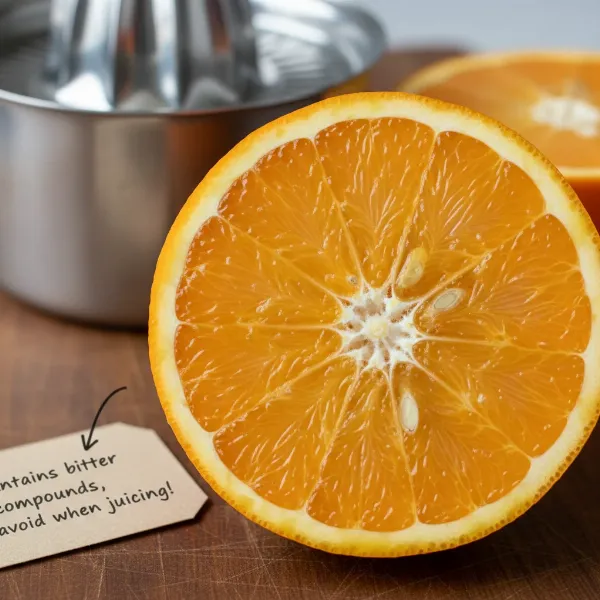 Cross-section of a citrus fruit highlighting the peel, white pith, and juicy segments for juicing.
Storage Solutions for Pristine Juice
Even if you’ve perfectly juiced your fruit, improper storage can quickly lead to flavor degradation.
Minimizing Air Exposure: The Enemy of Freshness
The biggest culprit in juice spoilage and off-flavor development, including a metallic taste, is oxygen.
- Airtight Containers: Always store your fresh juice in airtight containers. Glass jars or bottles with tight-fitting lids are ideal.
- Fill to the Brim: Fill your storage containers as close to the top as possible, leaving minimal air space. This reduces the amount of oxygen that can interact with the juice.
- Refrigeration: Store juice immediately in the refrigerator. Cold temperatures slow down oxidation and bacterial growth, preserving flavor.
- Shelf Life: Freshly squeezed juice has a relatively short shelf life. For optimal taste, consume juice from fast juicers within 8-12 hours, and from slow juicers within 24-72 hours. While it might still be safe to drink beyond these times, the flavor will likely have deteriorated.
Container Materials: Choose Wisely
Just as with your juicer parts, the material of your storage containers matters. Avoid storing juice in reactive metal containers, which can leach flavors and contribute to a metallic taste, especially with highly acidic juices. Opt for glass or high-quality food-grade plastic.
Your Action Plan: Banish the Metallic Taste for Good
Putting an end to metallic-tasting juice is often a matter of careful attention to detail throughout the entire process.
- Inspect Your Equipment:
- Clean Thoroughly: Disassemble and meticulously clean all juicer parts after each use. Pay special attention to screens, blades, and pulp ejection areas.
- Check for Wear: Examine metal components for scratches, corrosion, or any signs of wear. Replace parts if they are damaged or severely worn.
- Material Check: Ensure your juicer’s components are made from food-grade, non-reactive materials, such as high-quality stainless steel or BPA-free plastic.
- Optimize Fruit Selection and Preparation:
- Choose Ripe, Firm Fruit: Select fresh, unblemished fruits that are firm to the touch.
- Pre-Chill Citrus: Refrigerate citrus fruits before juicing to minimize peel oil expression.
- Gentle Juicing: Avoid excessive pressure or grinding into the pith, especially with citrus. If your juicer allows, adjust settings or use techniques that minimize peel contact.
- Perfect Your Storage Habits:
- Immediate Transfer: Pour juice into airtight glass containers immediately after juicing.
- Minimize Air: Fill containers to the very top to reduce oxygen exposure.
- Refrigerate Promptly: Store juice in the coldest part of your refrigerator.
- Consume Fresh: Enjoy your juice as soon as possible for the best flavor experience.
- Consider Your Juicer Type: If metallic taste or rapid flavor degradation is a persistent issue, consider if a masticating (slow) juicer might be a better fit for your needs, as they are known for producing less oxidized juice.
By implementing these straightforward steps, you can significantly reduce the chances of encountering that unwelcome metallic tang. The goal is to maximize freshness, minimize oxidation, and prevent unwanted interactions between your juice and its environment.
Conclusion
A metallic taste in your freshly squeezed juice can be frustrating, but it’s a problem with clear, actionable solutions. From understanding the natural compounds like Nomilin to mastering the art of careful fruit selection, precise juicing techniques, and proper storage, every step plays a vital role in achieving that pure, unadulterated flavor you crave. By paying attention to your equipment, fruit quality, and post-juicing care, you can consistently enjoy delicious, vibrant juice free from any metallic distractions. Isn’t it time your juice tasted exactly as nature intended?
Frequently Asked Questions
What causes juice to taste metallic?
Juice can taste metallic due to natural compounds like Nomilin in fruits, oxidation from air exposure during juicing or storage, or reactions between acidic juice and certain metals in juicer components or storage containers. Improper fruit preparation, especially with citrus peel oil and pith, can also contribute to off-flavors that may be perceived as metallic.
Can my juicer make my juice taste metallic?
Yes, your juicer can contribute to a metallic taste. Older juicers, those with worn or scratched metal parts, or parts made from reactive metals can leach trace amounts of metal into acidic juices. Additionally, juicers that incorporate a lot of air (like centrifugal models) can accelerate oxidation, leading to a stale or metallic off-flavor.
How can I prevent my fresh orange juice from tasting metallic or bitter?
To prevent metallic or bitter juice, use ripe, firm oranges, and consider chilling them before juicing to reduce peel oil. Ensure your juicer is clean, well-maintained, and made of non-reactive materials. Employ gentle juicing techniques to avoid incorporating excessive pith or peel oil. Store juice immediately in airtight, non-metallic containers, filled to the brim, and refrigerate promptly.