There’s nothing quite like the refreshing tang of homemade lemonade, especially when you need to quench the thirst of a crowd. Whether you’re hosting a large summer gathering, running a bustling refreshment stand, or simply love having a pitcher of this sunny beverage on hand, making lemonade in bulk can seem like a monumental task. But what if we told you an electric juicer could transform this labor into a seamless, enjoyable process? This comprehensive guide will walk you through everything you need to know, from selecting the perfect electric juicer to mastering the art of bulk lemonade production, ensuring every sip is pure delight.
Understanding Electric Juicers for Bulk Lemonade Production
When it comes to juicing a significant amount of citrus, manual reamers and handheld squeezers quickly become tiring and inefficient. This is where the mighty electric juicer steps in, offering a robust solution for high-volume lemonade production. Primarily, we’ll focus on electric citrus presses, designed specifically for lemons, limes, oranges, and grapefruits.
Electric citrus presses feature a motorized reamer that spins, efficiently extracting juice with minimal effort. Simply cut your citrus in half, place it on the reamer, and let the machine do the work. Many models also include a press arm to further optimize juice extraction.
The advantages of using an electric juicer for large quantities are undeniable. They offer superior efficiency, drastically reducing juicing time and arm fatigue. This means you can process dozens, even hundreds, of lemons in a fraction of the time it would take manually. Furthermore, most electric juicers come with built-in strainers, ensuring your juice is pulp-free and ready for mixing.
When considering an electric juicer for bulk lemonade, look for a powerful motor, durable construction (often stainless steel), a large juice collection capacity, and easily detachable, dishwasher-safe parts for quick cleanup. These features are crucial for a smooth and efficient bulk juicing experience.
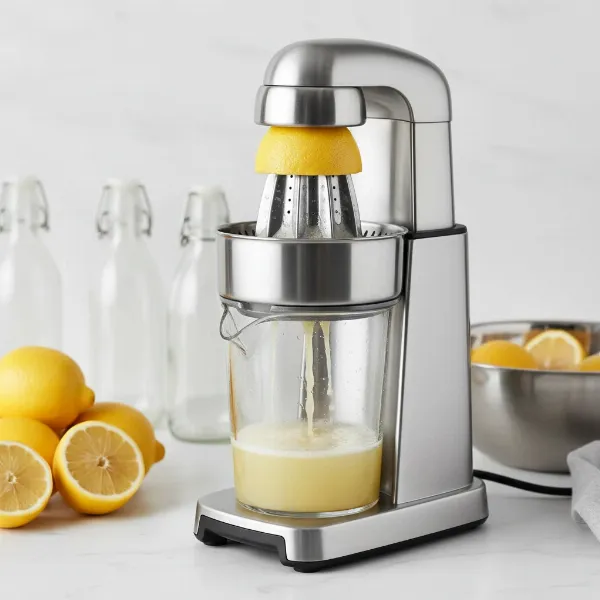 A powerful electric citrus juicer efficiently extracting juice from halved lemons for bulk lemonade.
Your Guide to Selecting the Perfect Electric Juicer for Lemonade
Choosing the right electric juicer is key to successful bulk lemonade making. Not all juicers are created equal, and understanding your specific needs will help you make an informed decision.
Assessing Your Needs
Before diving into models, consider how you’ll be using your electric juicer:
- Frequency of Use: Will you be making bulk lemonade occasionally for family parties, or regularly for a business or large events? Occasional use might allow for a more budget-friendly option, while frequent use demands a heavy-duty, commercial-grade machine.
- Volume of Lemonade Required: Are you aiming for a few gallons or multiple five-gallon batches? Juicer capacity and motor strength become more critical with higher volumes.
- Type of Citrus: While this guide focuses on lemons, if you plan to juice other citrus like oranges or grapefruits, ensure the juicer’s cone size and power are versatile enough to handle different fruit sizes.
Essential Factors to Consider
Once you’ve assessed your needs, evaluate these critical features:
- Power and Speed: A higher wattage motor typically translates to more efficient and faster juicing. For bulk production, look for at least 100-watt motors, with commercial models often reaching much higher. This power ensures the reamer can extract maximum juice without bogging down.
- Material and Durability: Longevity is paramount, especially for frequent use. Stainless steel construction for the housing and internal components is highly recommended for its durability, resistance to corrosion from citrus acids, and ease of cleaning. Heavy-duty plastic components can be acceptable for lighter use, but commercial-grade metal offers superior resilience.
- Ease of Cleaning: After juicing a large quantity of lemons, the last thing you want is a complicated cleanup. Look for juicers with detachable parts that are dishwasher-safe. A simple design with minimal crevices will save you significant time and effort.
- Safety Features: A stable base with non-slip feet is essential to prevent tipping during operation. Overload protection for the motor is also a valuable feature, preventing damage if too much pressure is applied. Some models include splash guards to keep your countertop clean.
- Brand Reputation and Price: Reputable brands often offer better warranties and customer support. While budget options exist, investing in a mid-to-high range electric citrus juicer for bulk needs usually pays off in performance and durability. Commercial-grade juicers, while a larger initial investment, are built for continuous, heavy use.
Top Electric Juicers for High-Volume Lemonade Making
For those serious about bulk lemonade, certain electric juicers stand out for their efficiency, durability, and user-friendliness. Here’s a look at some highly-regarded options, ranging from robust home models to commercial workhorses:
| Model Name | Key Features | Ideal Use Case | Price Range (Approx.) |
|---|---|---|---|
| Zulay Professional Heavy Duty Citrus Juicer | Commercial-grade cast iron, heavy-duty lever press, stainless steel strainer cup, dishwasher-safe parts. | Frequent home use, small-scale catering | Moderate |
| Breville Citrus Press Pro Juicer | Quadra-Fin™ acid-resistant cone, active-arm press, drip-stop spout, durable brushed stainless steel. | Regular home use, serious enthusiasts | High |
| Black+Decker CJ625 Citrus Juicer | Auto-reversing reamer, adjustable pulp control, clear juice container with measurement markings, compact design. | Budget-conscious, occasional large batches | Low |
| Sunkist J-1 Commercial Juicer | Industrial-grade, high-volume, extremely durable, easy to clean. Designed for continuous, heavy commercial use. | Commercial kitchens, large events, continuous operation | Very High |
In-Depth Reviews of Recommended Models:
- Zulay Professional Heavy Duty Citrus Juicer: This juicer is often praised for its ability to extract a significant amount of juice with minimal effort, thanks to its heavy-duty lever mechanism. It’s built with a commercial-grade cast iron base, providing excellent stability, and features a stainless steel strainer cup. Its robust construction makes it suitable for frequent home use or even small catering gigs where large quantities are needed. Cleaning is straightforward, as many parts are detachable and dishwasher safe.
- Breville Citrus Press Pro Juicer: A favorite among serious home cooks and enthusiasts, the Breville Citrus Press Pro boasts an innovative Quadra-Fin™ juicing cone that adapts to all citrus sizes, ensuring maximum juice extraction. Its active-arm press makes juicing effortless, and the drip-stop spout prevents messes. Constructed from durable brushed stainless steel, it’s designed to withstand regular use and provides a premium experience. While a higher investment, its performance and build quality justify the cost for consistent bulk juicing.
- Black+Decker CJ625 Citrus Juicer: For those on a tighter budget or who only make large batches occasionally, the Black+Decker CJ625 offers excellent value. It features an auto-reversing reamer to get more juice out, adjustable pulp control to customize your lemonade, and a clear juice container with measurement markings. Its compact design is ideal for smaller kitchens, and its simplicity makes it very user-friendly. While not as heavy-duty as commercial models, it handles a considerable volume of lemons with ease.
- Sunkist J-1 Commercial Juicer: If your needs lean towards truly industrial-scale lemonade production, the Sunkist J-1 is a legendary choice. This juicer is a workhorse, designed for continuous operation in commercial settings like restaurants, bars, and catering companies. Its powerful motor and robust build allow it to process cases of citrus quickly and efficiently. While significantly more expensive and larger than home models, its unparalleled durability and speed make it the ultimate choice for heavy-duty, regular bulk juicing.
Crafting Your Bulk Lemonade: Step-by-Step Guide
With your electric juicer ready, it’s time to transform those lemons into liquid gold. The key to delicious bulk lemonade lies in a balanced recipe and proper execution.
Ingredients and Preparation
For a classic, refreshing bulk lemonade (approximately 1 gallon):
- Lemons: 8-12 large, fresh lemons (yields about 1.5 – 2 cups of juice per gallon of lemonade). Opt for ripe, slightly soft lemons for maximum juice.
- Water: 1 gallon (or 16 cups) filtered water.
- Sugar: 2 cups granulated white sugar (adjust to taste).
- Optional Additions: Lemon rind (for extra zest), fresh mint leaves, or even a touch of organic raw apple cider vinegar for an extra tang.
Preparation: Wash your lemons thoroughly. For easier juicing, roll them firmly on a countertop before slicing them in half.
Making the Simple Syrup
The secret to perfectly dissolved sugar in bulk lemonade is a simple syrup. This prevents grainy textures and ensures even sweetness.
- Combine: In a medium saucepan, combine 2 cups of sugar with 2 cups of water.
- Heat and Dissolve: Heat over medium heat, stirring occasionally, until the sugar completely dissolves and the mixture comes to a gentle boil. This typically takes 2-3 minutes.
- Cool: Remove the simple syrup from the heat and allow it to cool completely to room temperature. This step is crucial to prevent your lemonade from becoming cloudy or tasting cooked. For faster cooling, you can transfer it to another container or an ice bath.
Juicing the Lemons
Now, put your electric juicer to work!
- Set Up: Assemble your electric juicer according to the manufacturer’s instructions. Ensure the juice collection container is in place.
- Juice: Take a halved lemon and firmly press it onto the spinning reamer of your electric juicer. For models with a press arm, lower the arm for maximum extraction. Continue until all lemons are juiced.
- Strain (if necessary): Most electric citrus juicers have integrated strainers. If your juicer leaves a significant amount of pulp and you prefer a smoother lemonade, strain the freshly squeezed lemon juice through a fine-mesh sieve into a large pitcher or container.
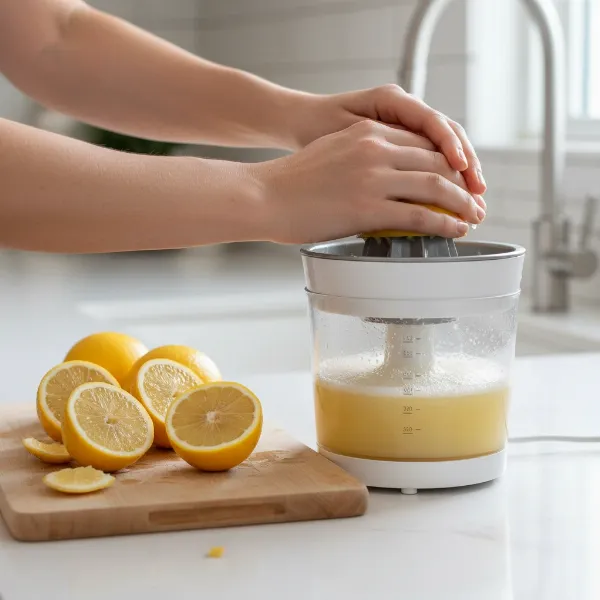 Hands operating an electric citrus juicer to extract juice from multiple lemons for a large batch.
Combining and Adjusting
Once you have your cooled simple syrup and fresh lemon juice, it’s time to bring your bulk lemonade to life.
- Combine: In a large beverage dispenser or multiple pitchers, combine the cooled simple syrup and the fresh lemon juice.
- Add Water: Pour in the remaining 14 cups of cold filtered water.
- Stir and Taste: Stir the mixture thoroughly to ensure everything is well combined. Taste and adjust to your preference. If it’s too tart, add more simple syrup (or a little extra sugar dissolved in a small amount of hot water). If it’s too sweet, add a splash more lemon juice or cold water.
- Chill: For the best flavor, chill the lemonade in the refrigerator for at least 30-60 minutes before serving.
Scaling the Recipe
To scale up, remember the basic ratio: for roughly every 1.5-2 cups of fresh lemon juice, you’ll need 2 cups of simple syrup (made from 1 cup sugar and 1 cup water), and 5-6 cups of cold water. Adjust these quantities based on your desired yield and taste preference. For very large batches (e.g., 5 gallons), aim for about 4 quarts (1 gallon) of lemon juice, combining it with 4 quarts of simple syrup, then topping up with cold water to reach the 5-gallon mark.
Tips for Using and Maintaining Your Electric Juicer
To ensure your electric juicer remains a reliable workhorse for all your bulk lemonade needs, proper use and maintenance are essential.
Proper Operation for Longevity
- Don’t Overload: While electric juicers are powerful, avoid forcing the citrus too hard onto the reamer. Let the motor do the work; excessive pressure can strain the motor.
- Alternate Citrus Sizes: If juicing a mix of small limes and large oranges, alternate between them to maintain consistent motor performance and extraction.
- Juice Fresh Lemons: Fresher lemons yield more juice and are easier for the machine to process. Stale or dried-out lemons can be harder to juice efficiently.
- Monitor Pulp Collection: If your juicer has a removable pulp collector, check it periodically during bulk juicing and empty it when full to maintain optimal performance and prevent clogs.
Effective Cleaning Methods
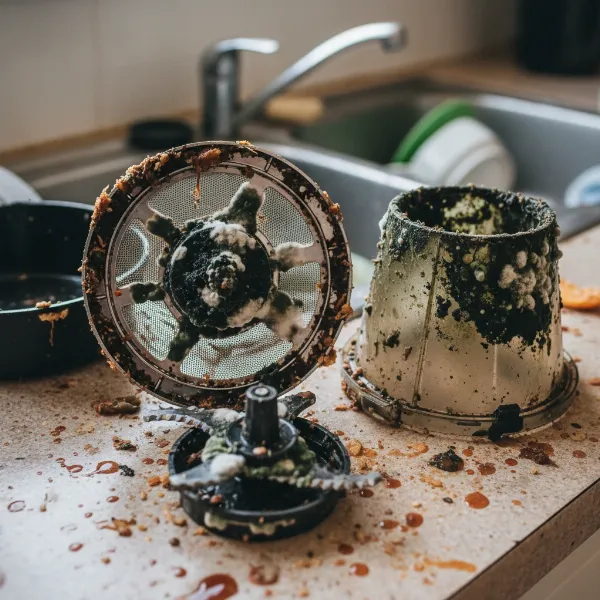
- Immediate Cleaning: The golden rule for any juicer is to clean it immediately after use. Citrus acids can be corrosive and sticky, making cleanup harder if left to dry.
- Disassemble: Unplug the juicer and carefully disassemble all removable parts (reamer, strainer, juice collector).
- Rinse Thoroughly: Rinse all parts under warm running water to remove pulp and juice residue. Use a brush if necessary for stubborn pulp.
- Dishwasher Safe: If parts are dishwasher-safe, place them on the top rack. Otherwise, hand wash with mild dish soap and warm water.
- Wipe Down Base: Wipe the motor base with a damp cloth to clean any splashes, but never submerge the motor unit in water.
- Dry Completely: Ensure all components are thoroughly dry before reassembling or storing to prevent mold or mildew.
Troubleshooting Common Issues
- Low Juice Yield: Ensure lemons are ripe and rolled before juicing. Clean any pulp buildup in the strainer. You might also need a more powerful juicer if you’re consistently getting low yields from many lemons.
- Motor Stalling: This often indicates too much pressure or an overloaded pulp filter. Reduce pressure, clean the filter, and ensure the motor isn’t overheating.
- Juicer Shaking/Moving: Ensure the juicer is placed on a stable, flat surface. Check that the non-slip feet are clean and intact.
Storage Best Practices
- Clean and Dry: Always store your juicer clean and completely dry to prevent odors, mildew, and corrosion.
- Cool, Dry Place: Store the juicer in a cool, dry place away from direct sunlight or extreme temperatures.
- Protect Components: If possible, store small attachments within the juicer unit itself to keep them together. Some juicers come with covers to protect them from dust.
Where to Purchase Your Electric Juicer for Bulk Lemonade
Ready to invest in an electric juicer for your bulk lemonade endeavors? You have several excellent avenues for purchase, both online and in physical stores.
Online Retailers
Online platforms offer the widest selection and often competitive pricing:
- Amazon: A vast marketplace with countless models, often including customer reviews, ratings, and detailed product descriptions. This is an excellent starting point for research and purchase, especially for popular home and semi-commercial models like Zulay and Breville.
- Specialized Kitchen Appliance Stores (Online): Websites like Williams Sonoma, Crate & Barrel, or dedicated restaurant supply stores (for commercial-grade options) often carry high-quality brands and provide expert advice.
- Manufacturer Websites: Purchasing directly from the brand (e.g., Breville, Hurom) can sometimes offer exclusive deals, direct warranty support, and access to their full product range.
Physical Stores
If you prefer to see the juicer in person or need immediate purchase, consider:
- Department Stores: Major department stores often have kitchen appliance sections featuring popular electric juicer brands.
- Electronics Retailers: Stores specializing in electronics also carry a selection of small kitchen appliances, including juicers.
- Restaurant Supply Stores: For truly commercial-grade electric juicers like the Sunkist J-1, a local restaurant supply store is your best bet. Staff there can offer specialized advice for high-volume needs.
Considerations When Buying Online
- Read Reviews: Always read customer reviews to gauge real-world performance, durability, and ease of cleaning. Pay attention to comments regarding bulk juicing specifically.
- Check Warranty: Understand the warranty policy before purchasing. A good warranty indicates the manufacturer’s confidence in their product.
- Return Policy: Verify the return policy in case the juicer doesn’t meet your expectations.
Conclusion
Making lemonade in bulk no longer needs to be an exhaustive task. By choosing the right electric juicer and following a few simple steps, you can consistently produce delicious, refreshing lemonade to delight any crowd. From selecting a robust machine like the Zulay Professional Heavy Duty or Breville Citrus Press Pro, to mastering the perfect simple syrup and efficient juicing techniques, you’re now equipped with the knowledge to become a bulk lemonade artisan. Embrace the ease and efficiency an electric juicer brings, and transform your juicing experience from a chore into a joy. What grand occasions will you celebrate with your homemade bulk lemonade?
Frequently Asked Questions
What type of electric juicer is best for juicing large quantities of lemons?
For large quantities, an electric citrus press (also known as a citrus juicer) is ideal. These machines are specifically designed to efficiently extract juice from halved citrus fruits with minimal effort, making them much faster and less tiring than other juicer types for this specific task. Look for models with powerful motors and durable construction.
How much lemon juice do I need for a 5-gallon batch of lemonade?
For a 5-gallon batch of lemonade, you will typically need around 4 quarts (equivalent to 1 gallon) of fresh lemon juice. This usually requires processing a significant number of lemons, often half a case or more, depending on their size and juiciness.
Can I prepare bulk lemonade ahead of time?
Yes, bulk lemonade can be prepared ahead of time and stored in the refrigerator. It’s often recommended to make the simple syrup and lemon juice concentrate separately, then combine them with cold water just before serving for the freshest taste. Stored properly, lemonade can last for several days in the fridge.
How can I prevent my bulk lemonade from getting watered down by melting ice?
To prevent your bulk lemonade from becoming diluted, consider freezing some of the prepared lemonade into ice cubes. This way, as the ice melts, it simply adds more lemonade to your drink rather than watering down the flavor. Using an insulated beverage dispenser also helps keep it cold longer.
Is an expensive commercial electric juicer necessary for home bulk lemonade?
For occasional large batches at home, a robust home-grade electric citrus juicer like the Breville Citrus Press Pro or Zulay Professional Heavy Duty is typically sufficient. A full commercial juicer like the Sunkist J-1 is a significant investment, truly designed for continuous, high-volume use in professional settings, and might be overkill for most home users.
How do I clean an electric juicer after making a large batch of lemonade?
Cleaning immediately after use is crucial. Disassemble all removable parts, rinse them thoroughly under warm water to remove pulp and juice, then wash with mild dish soap. Many parts are dishwasher-safe; consult your manual. Wipe the motor base with a damp cloth, but never submerge it in water. Ensure all parts are completely dry before reassembling.
What are common ratios for making simple syrup for bulk lemonade?
A common ratio for simple syrup is 1:1, meaning equal parts sugar and water. For example, 1 cup of sugar dissolved in 1 cup of water. This basic syrup can then be adjusted in your lemonade recipe to achieve your desired level of sweetness. For bulk recipes, you might make several batches of this syrup.