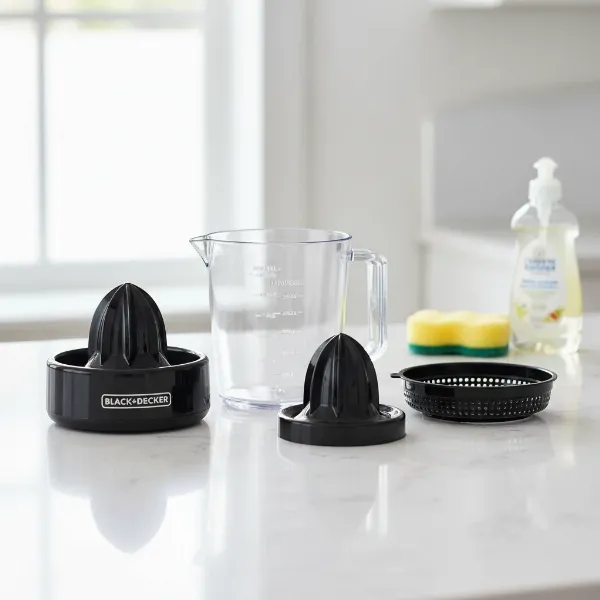
The vibrant burst of fresh juice is a daily delight for many, a healthy ritual that energizes and nourishes. Yet, behind the scenes of this refreshing experience often lies a silent adversary: acid corrosion. While metal juicers are prized for their durability and efficiency, the very nature of juicing—especially acidic fruits like oranges, lemons, and berries—can slowly but surely degrade metal components. Understanding this challenge and implementing proactive measures is key to ensuring your juicer remains a reliable workhorse, delivering pure, uncontaminated juice for years to come.
This guide will delve into the science of acid corrosion, highlight the best materials for your juicer, and provide actionable cleaning and maintenance strategies. By embracing these essential practices, you can safeguard your investment, extend the life of your appliance, and continue enjoying the unadulterated goodness of homemade juice without the worry of metallic degradation.
Understanding Acid Corrosion in Metal Juicers
Table is empty.Acid corrosion is a chemical process where acidic substances react with metals, leading to their gradual breakdown. In the context of juicers, the natural acids found in many fruits and vegetables, particularly citrus, tomatoes, and berries, can initiate this process. When these acidic liquids come into prolonged contact with certain metals, they can dissolve metal ions, weakening the material and eventually causing visible damage.
Common signs of corrosion can range from subtle discoloration and pitting on the metal surface to the more alarming development of a metallic taste in your juice. Over time, this degradation not only compromises the structural integrity of your juicer parts but can also leach undesirable metal particles into your healthy beverages, impacting both flavor and safety. Recognizing these early warning signs is crucial for immediate intervention and preventing further damage.
Choosing the Right Metal: Prevention at Purchase
The first line of defense against acid corrosion begins long before you make your first glass of juice: it starts with selecting a juicer made from the right materials. Not all metals are created equal when it comes to resisting the corrosive power of fruit acids.
Stainless Steel: The Gold Standard
When it comes to juicers, stainless steel stands out as the superior choice. Specifically, food-grade stainless steel, such as 18/8 or 304, offers exceptional resistance to rust and corrosion. This material is non-reactive, meaning it won’t interact with the acids in your juice or leach chemicals, regardless of frequent use. Its inherent durability, combined with a smooth, non-porous surface, makes it incredibly easy to clean and maintain, ensuring your juicer remains pristine and functional for a long time. Many top-rated juicers incorporate stainless steel for their critical components like blades, strainers, and mesh screens, providing both safety and longevity.
Avoid Reactive Metals
Conversely, certain metals are best avoided or used with extreme caution in juicer construction.
- Cast Iron: While excellent for cookware, cast iron is highly reactive to acids and prone to rapid rusting when exposed to the moisture and acidity of juice. Many users report a metallic taste in their juice when using cast iron presses, and attempting to “season” these parts will not prevent acid corrosion.
- Aluminum: Though lightweight and inexpensive, aluminum can react with fruit acids, potentially discoloring and degrading over time. Always check material specifications to ensure your juicer components are made from corrosion-resistant materials.
Essential Cleaning Habits to Prevent Corrosion
Even with the best materials, proper cleaning is paramount to preventing acid corrosion and extending your juicer’s lifespan. Proactive habits are far more effective than trying to reverse existing damage.
Immediate Disassembly and Rinsing
The single most crucial step is to disassemble and clean your juicer immediately after each use. Pulp and juice residue can quickly dry and harden, clinging to metal surfaces and creating an environment ripe for corrosion. Begin by unplugging your juicer and taking apart all removable components, including the pulp container, juice spout, and strainer basket. Rinse each part thoroughly with lukewarm water to remove as much residue as possible while it’s still wet. This simple act prevents buildup and significantly reduces the time acids spend in contact with metal.
Using Mild Cleaning Agents
For general cleaning, stick to gentle, food-safe options.
- Warm Soapy Water: A basin filled with warm water and a small amount of mild dish soap is usually sufficient. Soak the disassembled parts (excluding the motor base) for about 5-10 minutes to loosen any stubborn bits.
- Baking Soda Paste: For more persistent stains or minor discoloration on stainless steel, a paste made from baking soda and a little water can act as a gentle abrasive. Apply it with a soft brush or sponge, scrub lightly, then rinse thoroughly.
- Vinegar/Water Solution: A solution of equal parts white vinegar and warm water can be effective for cleaning. While beneficial for breaking down mineral deposits and food residue, exercise caution with prolonged soaking of reactive metal parts in acidic solutions, as this can paradoxically accelerate rust. This solution is generally safer for a quick wipe down or for soaking non-metal parts.
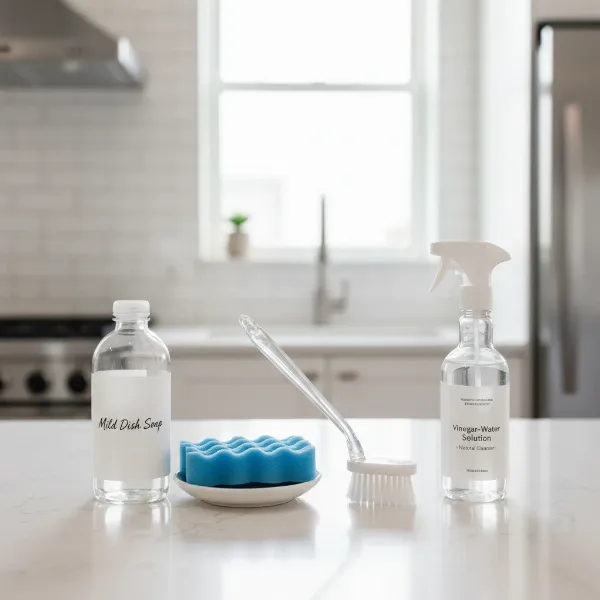 Tools for cleaning a metal juicer, including brushes, sponges, and mild cleaning solutions
Thorough Drying
After cleaning, thoroughly drying all metal components is non-negotiable. Any residual moisture, especially in crevices, can lead to rust formation. Air dry the parts on a rack, or wipe them completely dry with a clean, soft microfiber cloth before reassembling or storing. This step is often overlooked but is fundamental in preventing moisture-related corrosion.
Avoiding Harsh Abrasives and Chemicals
Never use abrasive scrubbing pads, steel wool, or harsh chemical cleaners like bleach on your metal juicer parts. These can scratch the surface, compromising the protective layer of stainless steel and making it more susceptible to corrosion. Harsh chemicals can also leave behind residues that are unsafe for food contact. Stick to the gentle cleaning agents recommended above to preserve both the integrity and safety of your appliance.
Advanced Maintenance Techniques for Longevity
Beyond daily cleaning, incorporating regular deep cleaning and specific protective measures can significantly extend your metal juicer’s lifespan and combat corrosion effectively.
Deep Cleaning Schedule
Even with diligent daily cleaning, some buildup can occur over time. Establish a regular deep cleaning schedule, perhaps once a week or monthly depending on your usage frequency. For a deeper clean, a vinegar and baking soda combination can be highly effective. Mix equal parts vinegar and water, spray or apply to the parts, let it sit briefly, then sprinkle baking soda on a cleaning brush to scrub. Rinse thoroughly with clean water. Similarly, a dilute citric acid solution can be used for deep cleaning, but always ensure short contact times and meticulous rinsing to prevent any adverse reactions with the metal.
Addressing Stubborn Stains or Early Rust
If you notice stubborn stains or early signs of rust on stainless steel, a baking soda paste can often provide enough mild abrasion to remove it without damaging the finish. Apply the paste, let it sit for a few minutes, then gently scrub with a soft brush or cloth. For more persistent rust, specialized stainless steel cleaners designed for food-grade surfaces can be used, always following the manufacturer’s instructions.
Post-Cleaning Protection (for specific metals)
For those who own juicers with cast iron components (though generally not recommended for acidic juicing), post-cleaning care is critical. After cleaning and thoroughly drying, a very thin layer of food-grade oil can be applied to cast iron to create a barrier against moisture and air, preventing rust. However, it’s important to reiterate that this “seasoning” technique does not prevent acid corrosion itself, and cast iron remains unsuitable for frequent acidic juicing. For stainless steel, additional oiling is typically unnecessary and does not provide further corrosion prevention.
“Investing in a high-quality, food-grade stainless steel juicer and adopting a rigorous cleaning routine are the most effective ways to combat acid corrosion and ensure your juicer serves you for years.” – Lan, Admin of citrusjuicerr.com
When to Replace Your Juicer Parts or Entire Unit
Despite best efforts, some juicer components may eventually succumb to wear and corrosion. Knowing when to replace parts or the entire unit is crucial for both safety and performance.
- Irreversible Corrosion or Pitting: If you observe extensive rust, deep pitting, or flaking on metal parts, especially those that come into direct contact with juice, it’s time to replace them. These signs indicate that the material’s integrity is compromised.
- Metallic Taste or Discoloration in Juice: Any noticeable metallic taste in your freshly squeezed juice, or if the juice itself appears discolored after processing, are critical warning signs. This indicates metal leaching, and the affected parts should be immediately discarded and replaced.
- Compromised Structural Integrity: If metal components are bent, cracked, or no longer fit together snugly, they may not function safely or efficiently. Worn-out parts can lead to decreased juicing performance and potentially unsafe operation.
Regular inspection of all metal parts, especially the mesh filter, auger, and cutting blades, will help you identify these issues early. Prioritizing replacement when these signs appear ensures that your juice remains pure and your juicing experience safe and enjoyable.
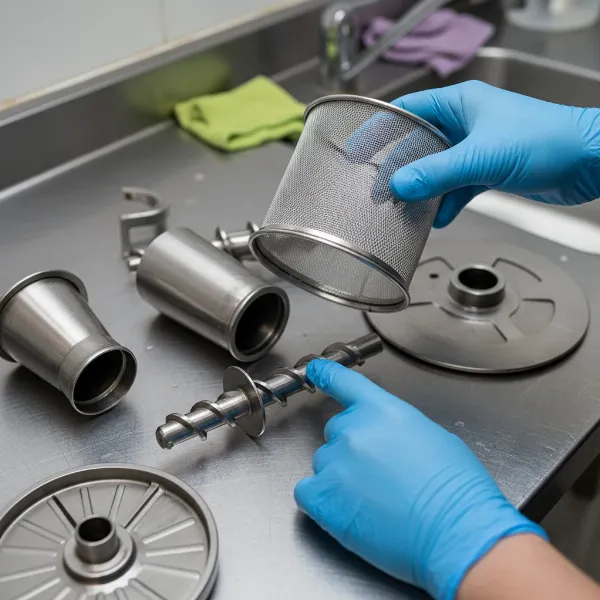 Close-up inspection of juicer parts for corrosion and wear
Conclusion
Maintaining a metal juicer in pristine condition, especially when regularly extracting acidic fruits, requires diligence and the right approach. By making informed choices about materials, adhering to a strict immediate cleaning regimen, ensuring thorough drying, and employing advanced maintenance techniques, you can effectively prevent acid corrosion. These practices not only safeguard your appliance from damage but also guarantee that every glass of juice you create is as pure, healthy, and delicious as nature intended, free from metallic contamination. Embrace these care guidelines, and your juicer will remain a cherished tool, empowering you to enjoy fresh, vibrant juices for many years to come.
What are your go-to tips for keeping your juicer pristine and corrosion-free?
Frequently Asked Questions
Can I use vinegar on all metal juicer parts?
While vinegar and water solutions can be effective for cleaning and disinfecting, prolonged soaking of reactive metal parts, such as cast iron, in acidic solutions should be avoided as it can accelerate corrosion. For stainless steel, quick application and thorough rinsing are generally safe.
What causes a metallic taste in my juice?
A metallic taste in your juice is often a strong indicator of acid corrosion on your juicer’s metal components. When fruit acids react with certain metals, they can leach metallic ions into the juice, altering its flavor. Immediately inspect your juicer for signs of damage and replace any affected parts.
Is it necessary to dry my juicer parts immediately after washing?
Yes, thorough and immediate drying of all metal juicer parts after washing is crucial. Any residual moisture can promote rust and corrosion, especially in crevices. Air drying or wiping with a microfiber cloth helps prevent water spots and premature degradation of the metal.
How often should I deep clean my metal juicer?
The frequency of deep cleaning depends on how often you use your juicer. For daily users, a weekly deep clean with appropriate solutions like vinegar and baking soda is recommended to tackle any stubborn buildup. For less frequent use, a monthly deep clean may suffice.
What is the best type of stainless steel for juicers?
Food-grade stainless steel, specifically grades 18/8 or 304, is considered the best for juicer components. These grades offer excellent resistance to rust and corrosion, are non-reactive with acidic foods, and are durable, making them ideal for long-lasting kitchen appliances.