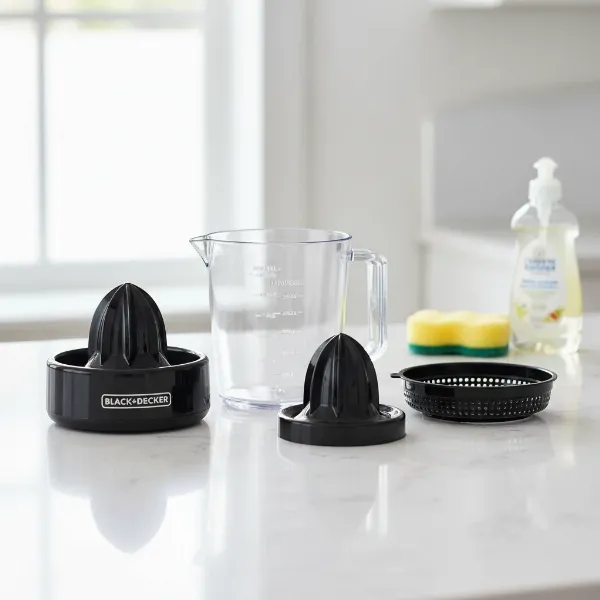
Is your trusty plastic juicer nearing the end of its life, perhaps rattling its last juice-making breath? Before you toss it into the regular trash, pausing to consider its disposal is a crucial step towards environmental responsibility. Many household appliances, especially those made from a mix of materials like plastics, metals, and electronic components, pose a unique challenge for recycling. Understanding the correct path for your broken plastic juicer ensures it doesn’t just end up in a landfill, but instead contributes to a more sustainable future.
Understanding Why Juicers Aren’t Curbside Recyclable
You might assume that because your juicer has plastic parts, it can simply go into your regular curbside recycling bin. However, this is rarely the case. Small appliances like juicers are typically composed of a variety of materials, including different types of plastics, steel, copper wiring, and sometimes even circuit boards. This complex mix makes them unsuitable for standard single-stream recycling programs designed for simpler items like bottles and cans. Placing a mixed-material appliance in curbside recycling can lead to contamination of other recyclable materials, making the entire batch un-recyclable.
These appliances are generally classified as e-waste (electronic waste). E-waste requires specialized processing to safely extract valuable materials and properly dispose of hazardous components. When crushed in a recycling truck, the various parts of a juicer can break down into small fragments of glass, plastic, and circuit boards, further contaminating the stream and potentially harming recycling equipment. Therefore, dedicated e-waste recycling is essential for appliances that operate with electricity.
Preparing Your Broken Plastic Juicer for Recycling
Proper preparation is key to successful and safe recycling. Before doing anything, always ensure your juicer is completely unplugged and has had time to cool down.
Begin by disassembling your juicer as much as possible. This process allows you to separate different material types, increasing the chances that individual components can be recycled. Start with easily removable parts:
- Plastic Jugs and Pulp Containers: If these are made of a single type of plastic and bear a recycling symbol (e.g., PET #1, HDPE #2, PP #5), clean them thoroughly and check with your local recycling facility if they accept these specific plastic numbers. Often, if they are clean and clearly marked, they might be accepted in certain plastic recycling streams, separate from the main unit.
- Blades and Strainers: These are often made of metal or a combination of metal and plastic. If the metal part can be easily separated, it might be accepted at a local metal recycler.
- Power Cord: Power cords contain valuable copper wire. With a strong pair of wire cutters, you can often remove the power cord from the main unit. Local metal recyclers or specialized e-waste facilities typically accept these for their copper content.
- Main Motor Housing: This is the core electronic component, usually encased in a hard plastic shell. After removing other parts, this main unit should be kept intact and directed towards an e-waste recycling program.
Cleaning any food residue from plastic parts before disposal is also important to prevent contamination and make them more appealing to recyclers.
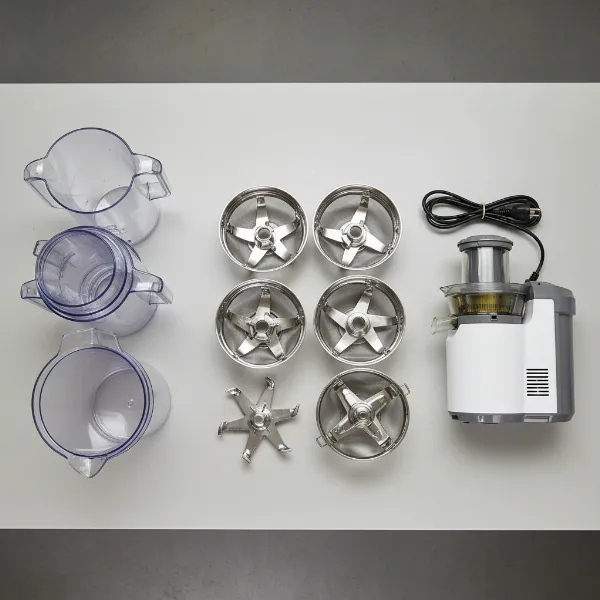 Various disassembled parts of a plastic juicer laid out for recycling preparation.
Finding the Right Recycling Channels for Your Juicer
Local E-waste Recycling Centers
The most common and effective way to recycle small appliances is through dedicated e-waste recycling centers. These facilities are equipped to handle the complex mix of materials found in electronics, safely separating and processing them.
- How to find them: Check your city or county’s waste management website. Resources like Earth911 or RecycleNation offer search tools to locate nearby e-waste drop-off points.
- What to expect: Most centers operate as drop-off locations. Some might charge a small fee for electronic waste disposal, while others offer it for free.
Special Collection Events
Many communities organize special collection events for hazardous waste and e-waste throughout the year. These events provide convenient opportunities to dispose of your juicer and other difficult-to-recycle items. Keep an eye on your local municipality’s calendar or news for announcements about these collection days.
Retailer Take-Back Programs
Some electronics retailers offer take-back programs for small appliances and other e-waste, regardless of where they were purchased. Major stores often have bins for electronic recycling. Additionally, a few manufacturers, like Hamilton Beach, have been known to offer take-back programs for their own small appliances, including juicers. It’s always worth checking the manufacturer’s website or contacting their customer service to inquire about specific recycling initiatives.
Bulky Waste Collection
In some areas, your local solid waste hauler may offer a separate bulky waste collection service. While primarily for larger items, some programs may include small appliances if specifically requested or if they meet certain criteria. Always call your local solid waste department to verify acceptance and schedule a pick-up if this service is available.
Donation or Repurposing (If Applicable)
If your juicer isn’t completely broken but perhaps just needs a minor repair, or if you simply upgraded, consider donating it to a thrift store or a local charity. Even for truly broken units, some creative individuals might be able to repurpose certain parts for other projects, though this is less common for complex appliances.
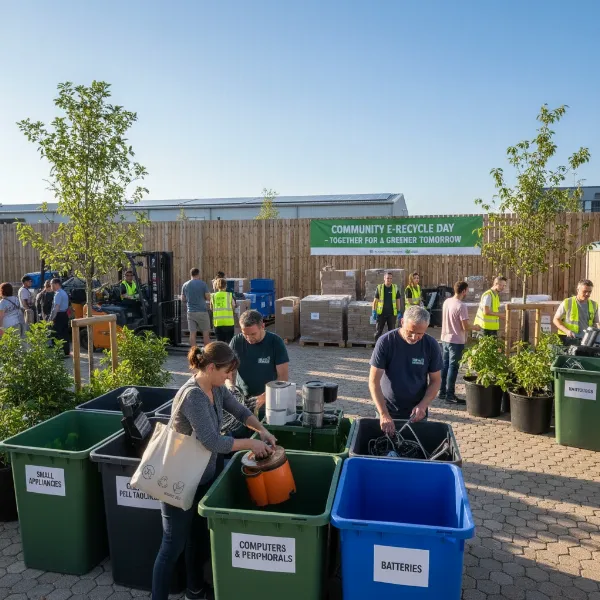 People dropping off various small electronic appliances at an e-waste recycling center.
What to Do with Non-Recyclable Juicer Components
Despite your best efforts, some components of your plastic juicer might not be recyclable. This is particularly true for certain types of mixed plastics or very small, intricate parts. If a component cannot be separated, reused, or accepted by any recycling program, its final destination will likely be the general waste stream.
For these non-recyclable items, ensure they are disposed of responsibly within your regular trash. While not ideal, it’s a necessary step for materials that lack a viable recycling market. Try to minimize these components by fully exploring all recycling and separation options first.
The Environmental Benefits of Proper Juicer Recycling
Reducing Landfill Burden
Every appliance diverted from a landfill helps conserve precious land resources. Landfills are finite, and reducing the volume of waste they receive is critical for environmental health.
Recovering Valuable Materials
Juicers contain metals like steel and copper, which are highly valuable resources. Recycling allows these materials to be recovered and reused in new products, reducing the need for virgin mining and its associated environmental costs. Similarly, some plastics can be reprocessed, lessening reliance on new plastic production.
Preventing Toxic Leakage
Electronics can contain trace amounts of potentially hazardous materials. When e-waste sits in a landfill, these substances can leach into the soil and groundwater, posing risks to ecosystems and human health. Proper e-waste recycling ensures these materials are handled safely.
Future-Proofing: Choosing More Sustainable Juicers
As you consider replacing your old juicer, keep sustainability in mind. Making informed choices now can simplify future disposal.
- Durability and Repairability: Invest in high-quality juicers known for their longevity and ease of repair. Products designed to last longer or be easily fixed reduce waste over time.
- Materials: Look for juicers made with identifiable and easily recyclable plastics (like BPA-free, clearly marked types), or consider models primarily constructed from durable, highly recyclable materials like stainless steel or glass.
- Manufacturer Responsibility: Support brands that demonstrate a commitment to environmental stewardship, perhaps by offering their own take-back programs or using recycled materials in their products.
Conclusion
Recycling your broken plastic juicer might seem like a small act, but it’s a significant step towards a more sustainable lifestyle. By understanding that these appliances are typically e-waste, taking the time to prepare them, and locating appropriate recycling channels like e-waste centers or take-back programs, you play a vital role in reducing landfill waste and conserving valuable resources. Your commitment ensures that even an old, broken appliance can have a positive environmental legacy. So, as you bid farewell to your beloved juicer, consider the impact of your choice and embrace responsible disposal. How will your next appliance purchase contribute to this green effort?
Frequently Asked Questions
Can I throw my broken juicer in the trash?
While technically you can throw a broken juicer in the trash, it’s highly discouraged. Juicers contain a mix of materials, including plastics, metals, and electronic components, which are better suited for specialized recycling rather than ending up in a landfill where they can cause environmental harm.
Are juicers considered e-waste?
Yes, most juicers are considered e-waste because they are electronic appliances with power cords or batteries. This classification means they should be recycled through designated e-waste programs to ensure proper handling of their diverse components.
How do I find an e-waste recycler near me?
You can find local e-waste recycling centers by checking your city or county’s waste management website. Online resources like Earth911.com or RecycleNation.com also provide search tools to help you locate drop-off points in your area.
What parts of a juicer are recyclable?
Many parts of a juicer can be recycled if separated. The power cord contains copper, which is valuable scrap metal. Some plastic components, if clean and clearly marked with a recycling symbol, might be accepted in specific plastic streams. The main motor unit, as an electronic component, goes to an e-waste facility.
Do manufacturers recycle old juicers?
Some appliance manufacturers offer take-back or recycling programs for their old products, though this varies by brand. It’s a good practice to check the manufacturer’s website or contact their customer service to see if they have a specific recycling initiative for your juicer model.